What is Cava? Cava is Spanish sparkling wine with its own DO (Denominación de Origen). It is made using the traditional method: after the first fermentation comes a second fermentation in the bottle, after which the wine ages on the lees for at least nine months. This gives the fine bubbles. The name comes from the Spanish word for cellar.
Where does Cava come from? The first Cava was made in 1872 in Sant Sadurní d’Anoia, in the Penedès near Barcelona. More than 95% of all Cava still comes from Catalonia. Smaller amounts come from places such as Rioja, Aragón, Navarra and Extremadura. The name Cava came into use to set Spanish sparkling wine apart from Champagne.
Which grapes is Cava made from? About 85% of Cava is made from three white grapes: Macabeo (also called Viura), Xarel·lo and Parellada. Macabeo brings freshness and citrus, with a light green almond note. Xarel·lo is more intense and herbal, with chamomile and fennel, and gives structure. Parellada is elegant and delicate, with citrus and white flowers.
Chardonnay has also been permitted since 1986. Pinot Noir is used for Blanc de Noirs, a white Cava made from red grapes. Rosé Cava is made from red grapes such as Garnacha, Monastrell, Pinot Noir and Trepat.
How does Cava taste? Young Cava is fresh and dry, with lemon, lime, yellow apple and quince. Because of the ageing on the lees, older Cava gains notes of brioche, almond, toasted hazelnut and sometimes a smoky touch. Most Cava is Brut, so dry.
Which styles of Cava are there? Cava differs in two ways: how long the wine ages and how much sugar is added after ageing. Together they determine the style in the glass.
Cava de Guarda and Reserva: ageing in the bottle Cava de Guarda ages for at least nine months on the lees and is the young, fresh style. Reserva ages for more than 18 months and becomes creamier, with more brioche and almond.
Gran Reserva and Cava de Paraje Calificado: long ageing Gran Reserva ages for at least 30 months. Cava de Paraje Calificado comes from a defined vineyard and ages for more than 36 months. Both are always dry: Brut, Extra Brut or Brut Nature.
From Brut Nature to Dulce: how sweet is Cava? Brut Nature has 0 to 3 grams of sugar per litre and is bone dry. Extra Brut has up to 6 grams and Brut up to 12 grams. Note that Extra Seco (12 to 17 grams) is slightly sweeter than Brut, Seco has 17 to 32 grams, Semi Seco 32 to 50 grams and Dulce more than 50 grams.
Blanc de Noirs and rosé Cava Blanc de Noirs is a white wine made from red grapes. The grapes are processed with as little skin contact as possible, so the wine does not take on colour. An example from our range is the Blanc de Noirs Brut Nature . Rosé Cava has a light colour and more red fruit.
Which Cava should you choose? How to find the style that suits you Which Cava suits you depends on your taste and the occasion. This guide helps you find the right style quickly.
You like a bone-dry, fresh sparkling wine. Choose Brut Nature or Extra Brut. It is crisp and fresh and works well as an aperitif.
You want an all-rounder for a festive moment. Choose Brut. It is the most common style: dry, but with a little more fruit.
You like Champagne. Choose Reserva or Gran Reserva. The long ageing gives brioche, almond and a creamy mousse.
You like a softer sparkling wine. Choose Seco or Semi Seco. They are round and fruity and suit fruit desserts and spicy dishes.
You want something special. Choose a Blanc de Noirs or rosé Cava for more character and red fruit.
Cava is not in our range yet, but Spanish sparkling wine is. Below you will find two wines you can order now.
Directly from the winemaker
Try Spanish sparkling wine now
Two dry Brut Nature wines, made using the traditional method and available to order now.
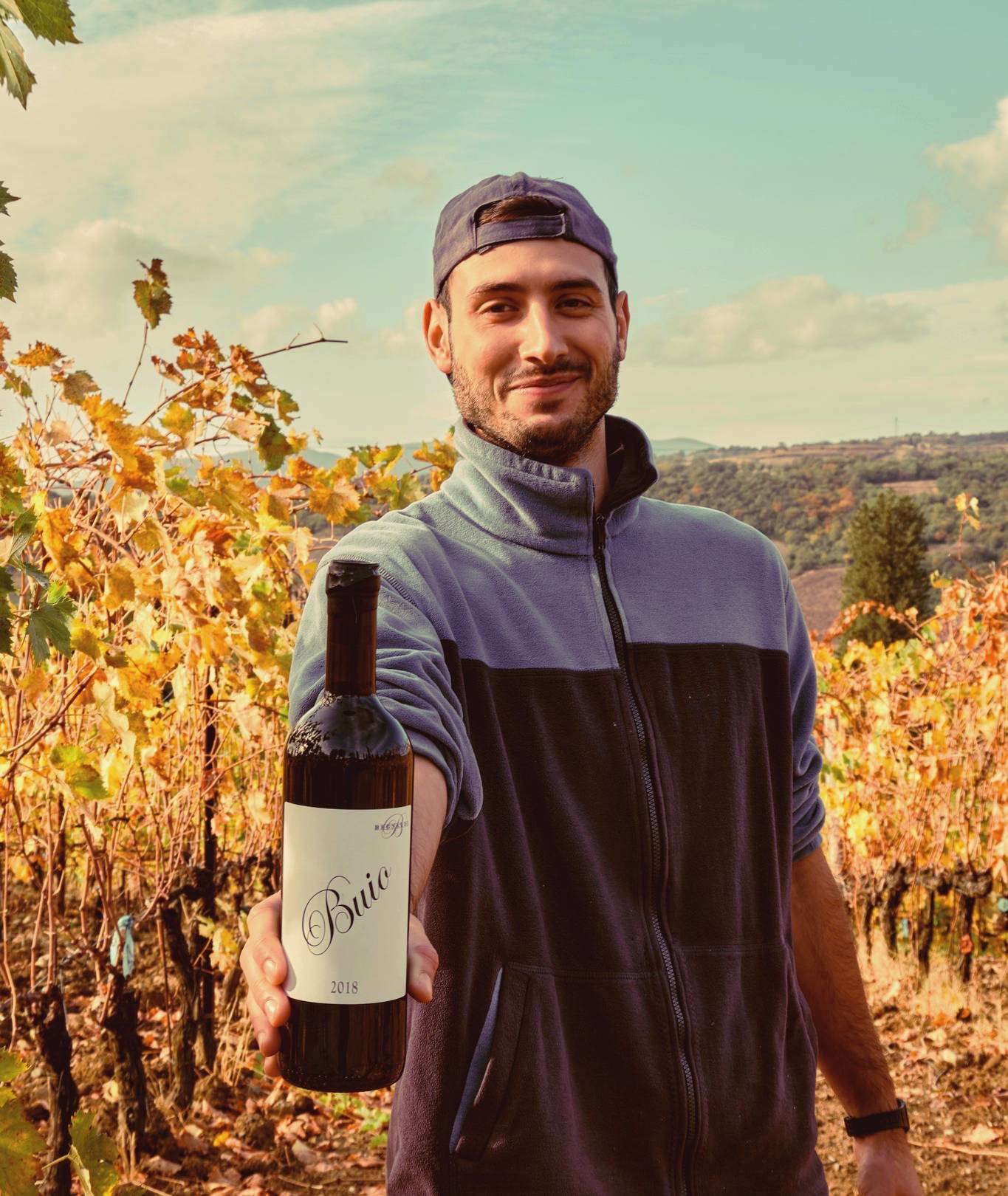
Cava and other Spanish sparkling wine Our two Brut Nature wines come from Bodega Amadís de Gaula and are called Espumoso, the Spanish word for sparkling. They are made in the same way as Cava: a second fermentation in the bottle, followed by ageing on the lees. The Chardonnay ages for at least 24 months and the Blanc de Noirs for 18 months, with grapes from around 950 metres altitude.
Would you like to try more from this winemaker? Then take a look at the tasting package or our full range of Spanish sparkling wine .
What food goes with Cava? Cava goes with many tapas and with jamón ibérico. Brut Nature and Extra Brut are good with oysters, sushi, shellfish and grilled fish. Brut goes with poultry, pasta, rice dishes and soft cheeses, and the fresh acidity also works well with paella and fried fish. Manchego goes with older Cava. Semi Seco goes with fruit desserts and spicy dishes.
Serve young, dry Cava well chilled, at 6 to 8 degrees. Older and sweeter Cava is best a little less cold, at 8 to 10 degrees.
Cava, Champagne or Prosecco? Cava and Champagne are made in the same way, with a second fermentation in the bottle. The difference lies in the grapes: Cava is made from Spanish grapes such as Macabeo and Xarel·lo, Champagne from grapes including Chardonnay and Pinot Noir. Prosecco is made from Glera, usually with a second fermentation in a tank. That gives a lighter, fruitier sparkling wine.
Buying Cava at ONWINE At ONWINE you buy wine directly from the winemaker, and on our winemakers page you can read who is behind the wine. Cava is not in our range yet, but will be available soon. Until then you can try our Spanish sparkling wine.
View all Spanish wine →
Frequently asked questions about Cava What is the difference between Cava and Champagne? Both get a second fermentation in the bottle. Cava comes from Spain and is made from grapes such as Macabeo, Xarel·lo and Parellada.
Is Cava dry or sweet? Most Cava is dry. Brut Nature, Extra Brut and Brut are the driest, Semi Seco and Dulce are sweeter.
What does Brut mean on the label? Brut means dry, with a maximum of 12 grams of sugar per litre. Brut Nature is even drier, with 0 to 3 grams.
How long can you keep Cava? Young Cava is best drunk within a few years. Reserva and Gran Reserva can stay good for longer.
Is Cava available at ONWINE yet? Not yet. Cava will be available soon. In the meantime, take a look at our Spanish sparkling wine , directly from the winemaker.