Buy Barolo wine directly from the winemaker
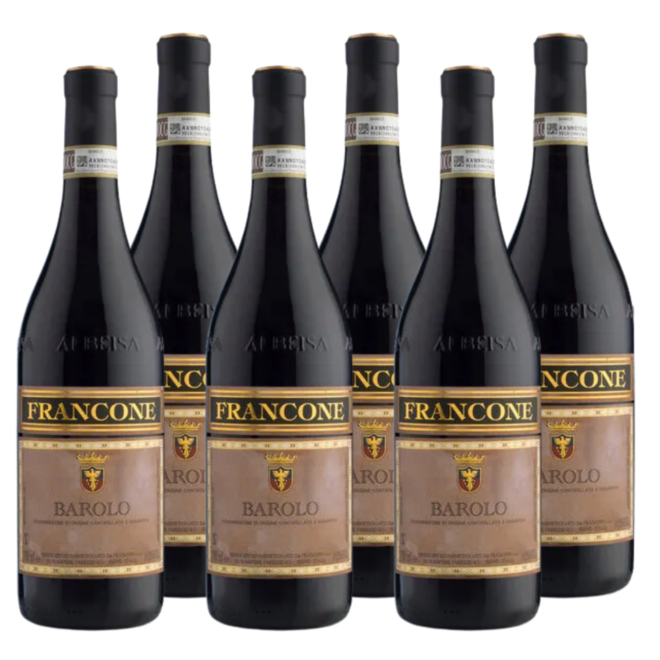
Barolo is the red wine from Piedmont known as the king of Italian wine. It is always made from 100% Nebbiolo, grows in eleven villages on the hills of the Langhe south of Alba and ages for years before it leaves the cellar. The result is a wine that is pale in colour yet powerful in structure: roses, cherry, tar and liquorice, with firm tannins and a long finish.
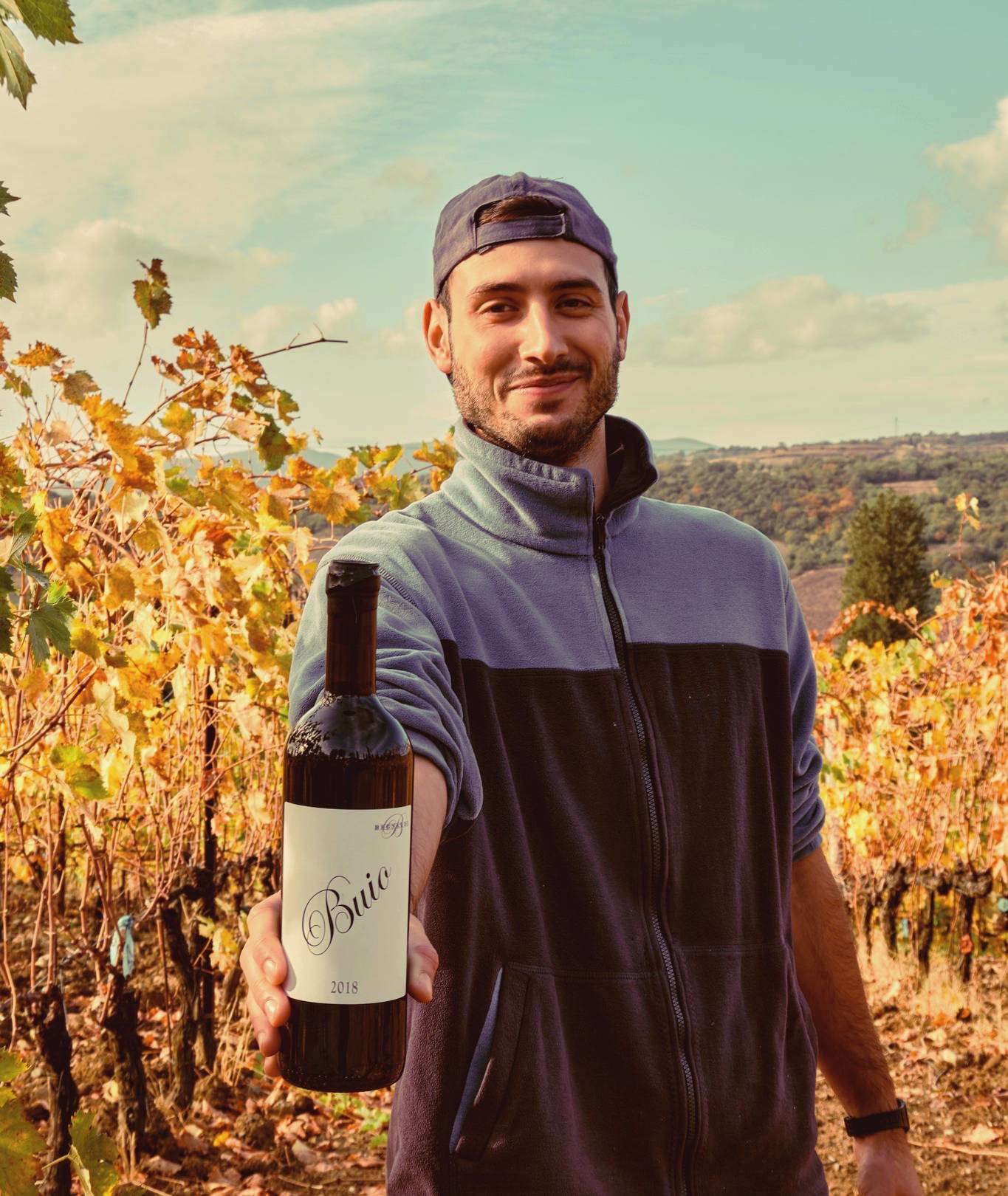
At ONWINE you buy Barolo directly from the winemaker, with no importer in between. You put together a case of six bottles per winemaker and pay €8 shipping per case.
What is Barolo wine?
Barolo is not a grape but a protected origin: Barolo DOCG, since 1980 the highest Italian quality tier. The grape is Nebbiolo, which ripens late and is usually picked in mid October. The zone covers eleven villages. Barolo, Castiglione Falletto and Serralunga d'Alba lie entirely within it; La Morra, Monforte d'Alba, Novello, Verduno, Grinzane Cavour, Diano d'Alba, Roddi and Cherasco in part. The vines grow on slopes between roughly 170 and 540 metres, on marl of limestone and clay.
What does Barolo taste like?
Young Barolo is taut and dry, with plenty of acidity and tannin. On the nose you find roses, violets, cherry and raspberry, later joined by tar, liquorice, leather, tobacco and dried herbs. The colour is a clear garnet that turns orange at the rim with age. That pale colour does not mean a light wine: Nebbiolo has little pigment but a lot of tannin.
Barolo DOCG and Barolo Riserva: the ageing rules
Barolo DOCG
A Barolo ages for at least 38 months, counted from 1 November of the harvest year, with at least 18 months in wooden casks. The minimum alcohol is 13%. The wine may only be released in the fourth year after the harvest. View all Barolo DOCG →
Barolo Riserva
A Riserva ages for at least 62 months, again with at least 18 months in wood. Winemakers usually keep the Riserva for their best plots and strongest vintages. Mauro Sebaste, for example, makes the 'Ghé' Barolo Riserva. View the Riserva →
Traditional or modern
Traditional winemakers leave Barolo on its skins for weeks and age it in large casks of Slavonian oak, the botti. That gives a taut, fragrant wine that needs time. The modern style uses shorter maceration and small barriques, which brings softer tannins and notes of vanilla and toast. Many winemakers take a middle path and combine both.
Where Barolo comes from: villages and soil
The style of a Barolo depends heavily on where it grows. Broadly, a dividing line runs through the zone. In the west, around La Morra, Barolo and Verduno, lies younger, lime rich Tortonian marl. It gives fragrant, elegant wines that are ready sooner. In the east, around Serralunga d'Alba, Monforte d'Alba and Castiglione Falletto, lies older Serravallian soil with more sandstone. There the wines are more powerful and tannic, and they can age for longer.
MGA and crus: how to read a Barolo label
Since 2010 Barolo has official crus, the Menzioni Geografiche Aggiuntive or MGA. There are 181 of them: 11 village names and 170 named vineyards such as Cannubi, Brunate, Cerequio, Rocche dell'Annunziata, Bussia, Vigna Rionda and Ravera. When an MGA appears on the label, all the grapes come from that vineyard. Abrigo, for example, makes a Barolo from the Ravera cru. Without a cru, the wine is often a blend of plots from several villages. That is the classic way of making Barolo and gives a balanced wine.
The label also shows the vintage, the words Denominazione di Origine Controllata e Garantita and possibly Riserva. The term Vigna is only allowed together with an MGA and requires a lower yield per hectare.
Barolo wine price: why is Barolo expensive?
The price of Barolo has clear causes. The zone is small, and the land in the best crus is among the most expensive farmland in Italy. Nebbiolo gives low yields, and the winemaker keeps the wine in the cellar for almost four years before selling a single bottle. A cru or Riserva therefore costs more than a Barolo blended from several plots. Good Barolo at a fair price is easiest to find with smaller winemakers who sell directly, without importer or wholesaler. Looking for the same grape for less? Try Langhe Nebbiolo or Nebbiolo d'Alba. view other Nebbiolo →
Storing, decanting and serving Barolo
A classic Barolo is at its best after eight to ten years and can last twenty years or more. A Riserva or a wine from Serralunga often needs even longer. Store the bottles lying down, in the dark and at a constant 12 to 14 degrees. Young Barolo benefits from one to two hours in a decanter. With an old Barolo, including an older Riserva, you decant mainly to separate the sediment, and only just before serving. Serve at 17 to 18 degrees in a large, round glass so the aromas can open up.
Barolo, Barbaresco and Barbera
Barbaresco is also Nebbiolo from the Langhe, but it ages for a shorter time and is usually more elegant and approachable sooner. Barbera is a different Piedmont grape: juicy, low in tannin, for every day. Find more among the Italian red wines.
What food goes with Barolo?
Barolo belongs with the rich cooking of Piedmont. The classic is brasato al Barolo, beef braised for hours in the wine itself. Tajarin and risotto with white truffle from Alba, game, lamb, ossobuco and aged cheeses such as Castelmagno and Parmigiano are perfect too. Because of its firm tannins, Barolo asks for protein and fat on the plate. Avoid dishes with a lot of sweetness or hot chilli.
Frequently asked questions about Barolo
What is Barolo wine?
Barolo is a dry red wine from Piedmont, made from 100% Nebbiolo. It comes from eleven villages in the Langhe, south of Alba, and has held DOCG status since 1980. Barolo ages for at least 38 months and is known for its scent of roses and tar, its firm tannins and its long ageing potential.
Which grape is Barolo made from?
Barolo is always made from 100% Nebbiolo. No other grapes are allowed. Nebbiolo ripens late, gives little colour but plenty of tannin and acidity, and grows in few places as well as in the Langhe. Within the variety there are several clones, such as Lampia and Michet, which winemakers often plant side by side.
What does Barolo taste like?
Barolo tastes dry, powerful and fragrant, with notes of roses, cherry, tar and liquorice. Young, it has firm tannins and fresh acidity. With age, leather, tobacco, dried herbs and truffle join in and the tannins soften. The colour is a strikingly pale garnet, which is normal for Nebbiolo.
Is Barolo a dry red wine?
Yes, Barolo is always a dry red wine. The sugar is fermented out completely, so the wine draws its flavour from fruit, acidity and tannin. Because of those firm tannins, a young Barolo can even feel extra drying in the mouth. With food and a few years of bottle age, that impression becomes much softer.
Why is Barolo wine so expensive?
Barolo is expensive because the zone is small, land in the best crus is very costly and Nebbiolo gives few grapes per hectare. On top of that, the wine ages for almost four years before the winemaker may sell it. A Riserva or cru costs more. Buying directly from the winemaker cuts out the importer and wholesaler margin.
What is the difference between Barolo and Barolo Riserva?
The difference lies in the ageing. A Barolo DOCG ages for at least 38 months, a Barolo Riserva for at least 62 months, both with at least 18 months in wood. A Riserva usually comes from the best plots and vintages, is deeper and more complex, and often needs extra time after you buy it.
What is the best Barolo?
There is no single best Barolo; it depends on your taste. For fragrance and elegance, choose a Barolo from La Morra or Barolo itself. For power and long ageing, look to Serralunga d'Alba or Monforte d'Alba. A cru on the label tells you exactly which vineyard the wine comes from.
How long can you keep Barolo?
You can keep a good Barolo for twenty years or more. Most bottles are at their best between eight and fifteen years after the harvest, a Riserva often later. Store the bottle lying down, in the dark, free of vibration and at a constant 12 to 14 degrees so the wine can mature calmly.
Should you decant Barolo?
Yes, a young Barolo improves with one to two hours in a decanter: the tannins soften and the aromas open up. An older Barolo or Riserva you decant mainly to separate the sediment, and only just before serving. Serve at 17 to 18 degrees in a large glass.
What does shipping cost?
You order a case of six bottles per winemaker, mixed as you like. Shipping is €8 per case and the wine comes straight from the winemaker to you.



 DOCG
 DOCG
 Cru
 Riserva