Buy Chianti wine directly from the winemaker
Chianti is the most famous red wine of Tuscany. It comes from the hills between Florence and Siena, is made from Sangiovese and carries Italy's highest quality label, DOCG. At ONWINE you choose Chianti straight from the winemaker: from a juicy Chianti DOCG for every day to a Chianti Classico Riserva that can age for years.
At ONWINE you buy Chianti directly from the winemaker, with no importer in between. You put together a case of six bottles per winemaker and pay €8 shipping per case.
What kind of wine is Chianti?
Chianti is a dry red wine made from at least 70% Sangiovese. The rest may come from local grapes such as Canaiolo and Colorino, and to a limited extent from Merlot or Cabernet. A good Chianti smells of red cherry, violets and dried herbs, with lively acidity and firm but fine tannins. It is never heavy or sweet: its freshness is exactly what makes it so good with food.
There is no such thing as white Chianti. The name always stands for red wine. White wine from the same area is called Toscana Bianco or Vernaccia di San Gimignano, and the only "white" wine with Chianti in its name is the sweet Vin Santo.
Chianti DOCG and its subzones
The Chianti DOCG is a large area covering a good part of Tuscany. Within it lie subzones that may put their name on the label, such as Colli Fiorentini, Colli Senesi, Colli Aretini, Colline Pisane, Montalbano, Montespertoli and Rufina. Each subzone has its own character.
Chianti Rufina
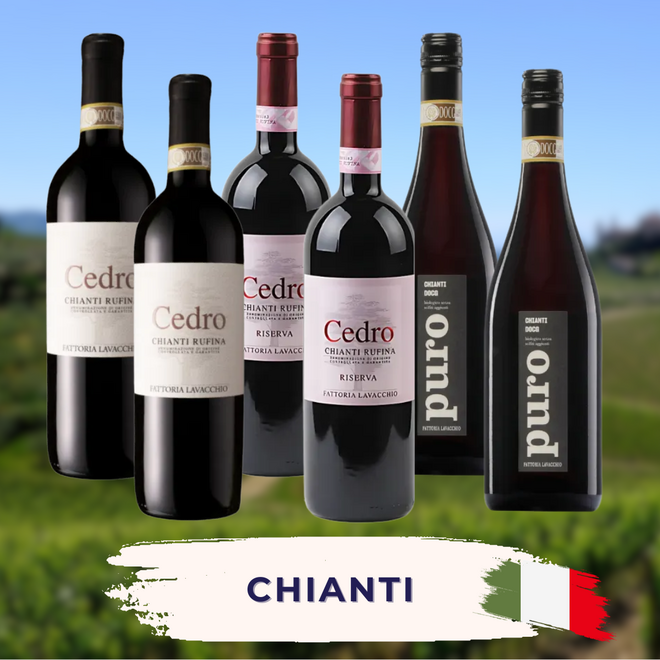
Rufina lies east of Florence, higher and cooler than the rest. The wines are tighter, fresher and can age surprisingly well. Fattoria Lavacchio makes its Chianti Rufina here.
Chianti Colli Senesi and Colli Fiorentini
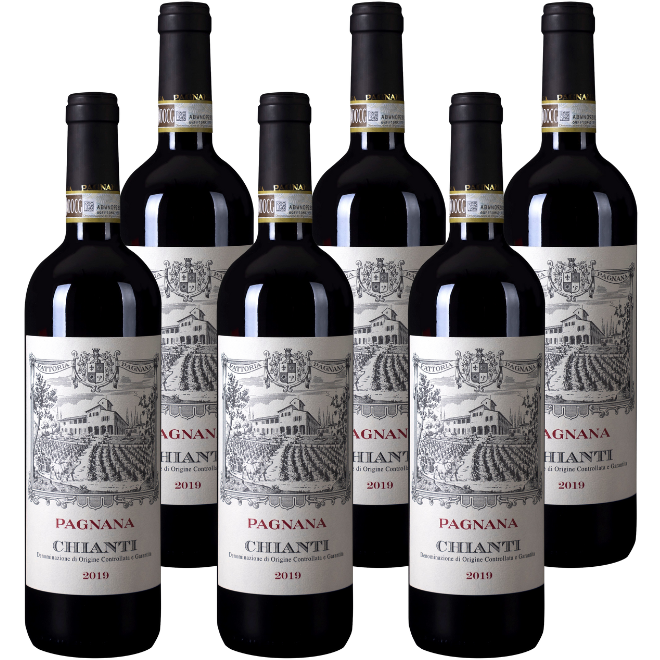
Around Siena the wines are often warmer and rounder, in the hills around Florence more elegant. A wine labelled simply "Chianti" can come from anywhere in the area. If it says Superiore, stricter yields and longer ageing apply. View all Chianti DOCG →
Chianti Classico and the black rooster
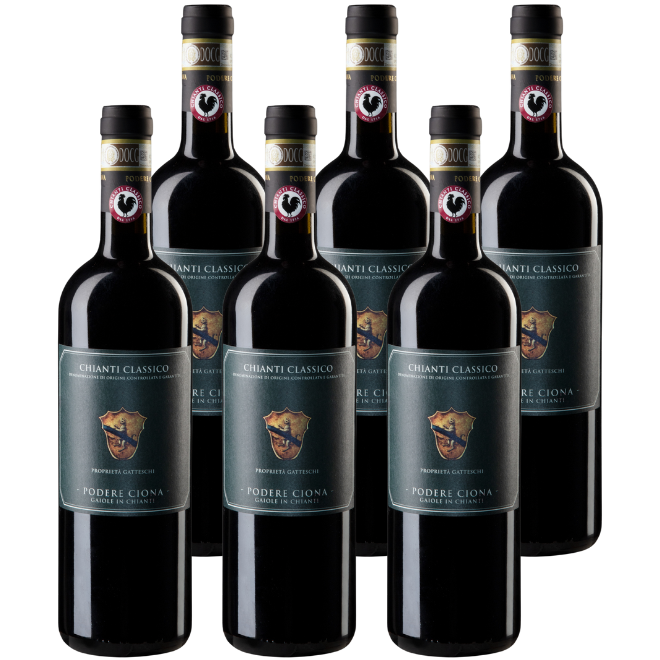
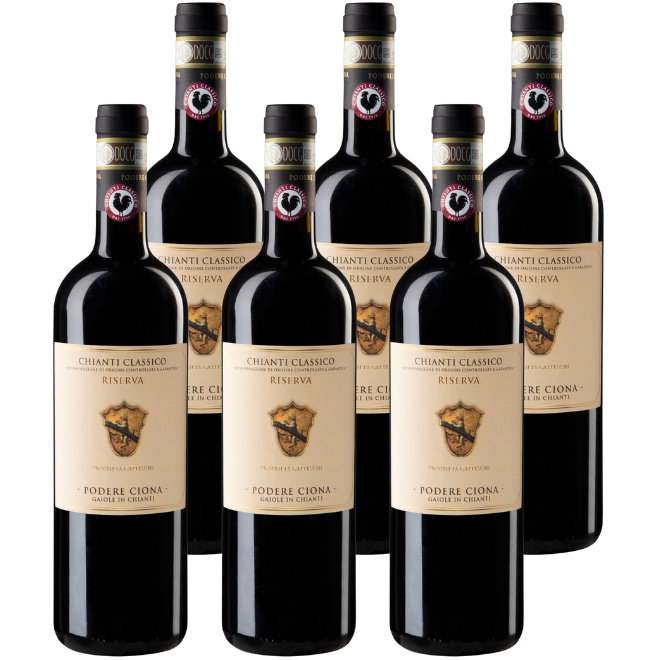
Chianti Classico is the original heart of the region, between the villages of Greve, Castellina, Radda and Gaiole in Chianti. Since 1996 it has been a DOCG of its own, separate from regular Chianti. You recognise every bottle by the gallo nero, the black rooster on the neck. The rules are stricter: at least 80% Sangiovese and no white grapes. Podere Ciona makes its Chianti Classico Annata here. View all Chianti Classico →
Annata, Riserva and Gran Selezione
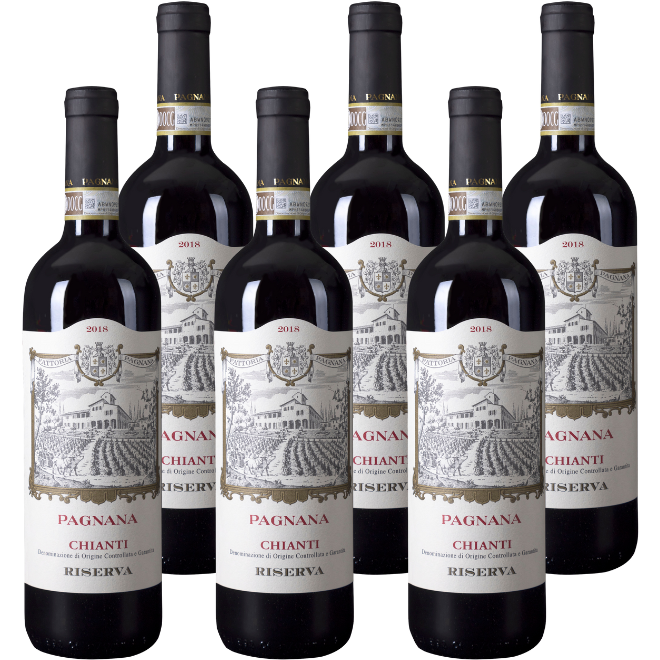
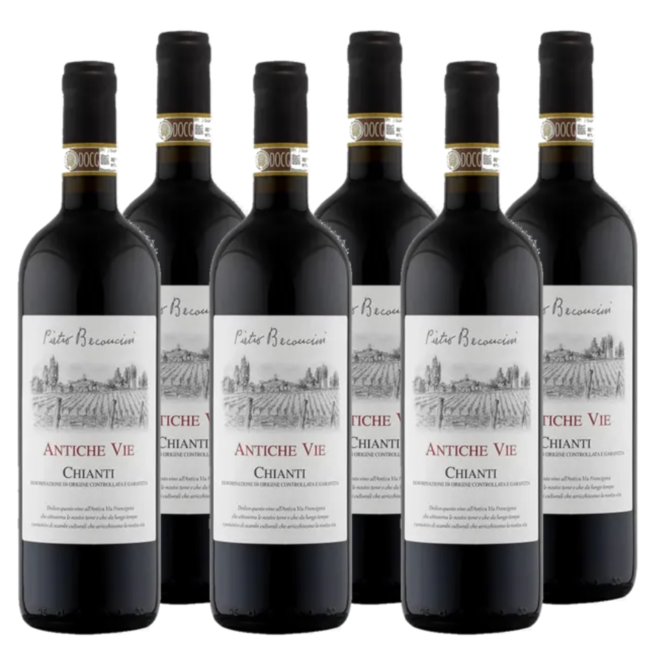
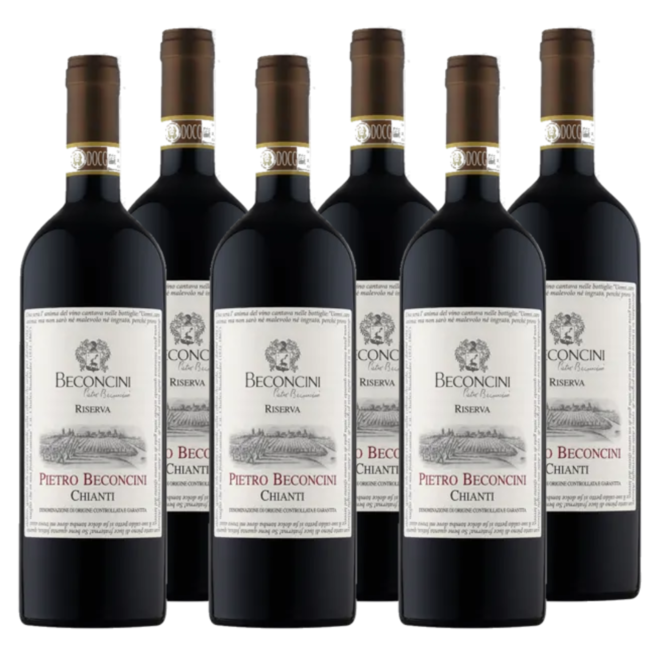
The Chianti Classico quality pyramid has three steps. The Annata is the base wine, aged for about a year. A Riserva ages for at least 24 months, three of them in bottle, and is fuller, with notes of leather, tobacco and dried cherry. Regular Chianti DOCG also has a Riserva with two years of ageing, such as those from Fattoria Pagnana and Pietro Beconcini. View the Riserva →
Above the Riserva sits the Gran Selezione: estate grown grapes only, at least 30 months of ageing and a strict tasting panel. The label of a Gran Selezione may also name the village or subarea, such as Radda or Gaiole. That way you learn to taste how different Sangiovese can be from one hill to the next.
Vin Santo del Chianti
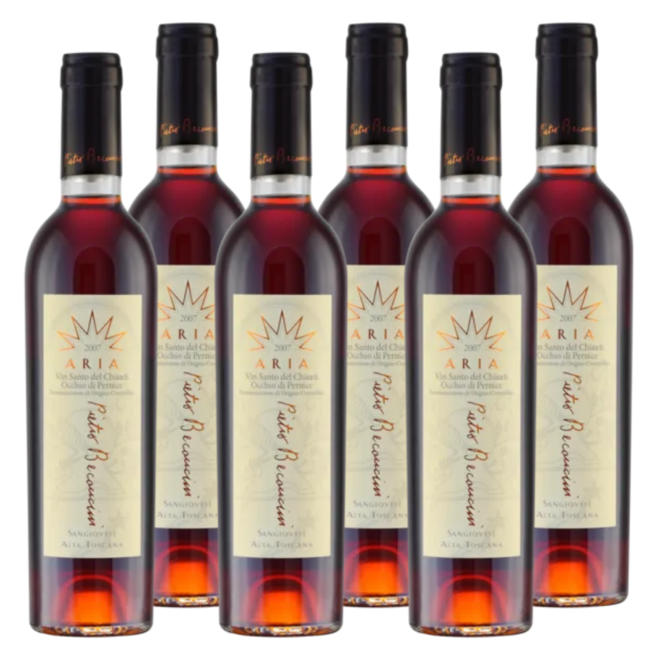
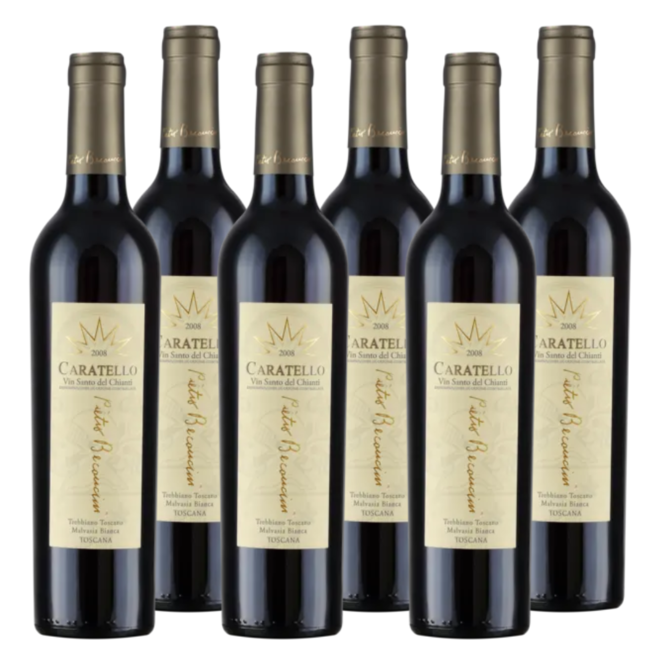
Vin Santo is the dessert wine of Tuscany. After harvest, winemakers dry Trebbiano and Malvasia for months on straw mats or hanging from hooks, so that sugar and flavour concentrate. The wine then ferments and ages for years in small barrels called caratelli. The result is amber in colour and smells of apricot, nuts, honey and caramel. Classically you drink it with cantucci dipped briefly into the glass. View the Vin Santo →
Reading the label: Chianti wine price and quality
Why does one Chianti cost more than another? The main factors behind the price are origin, ageing and yield. A Chianti Classico or Rufina comes from higher, poorer slopes where the vine gives fewer grapes. A Riserva or Gran Selezione spends longer in the cellar, which costs time and barrels. On the label you see this in the appellation, the word Riserva or Gran Selezione and, for Classico, the black rooster.
The round straw covered bottle, the fiasco, is the best known image of Chianti, but it says nothing about quality. Most winemakers use a standard Bordeaux bottle. What matters more is who makes the wine: a small winemaker who picks and vinifies their own grapes often gives you more character for your money than a big brand.
Storing, serving and food pairing
Drink a Chianti DOCG or Annata within a few years, while the fruit is still fresh. A good Riserva or Gran Selezione can keep for ten years or more, as long as you store the bottle lying down, dark and cool. Serve Chianti at 16 to 18 degrees in a generous glass. A young Riserva benefits from an hour in the decanter.
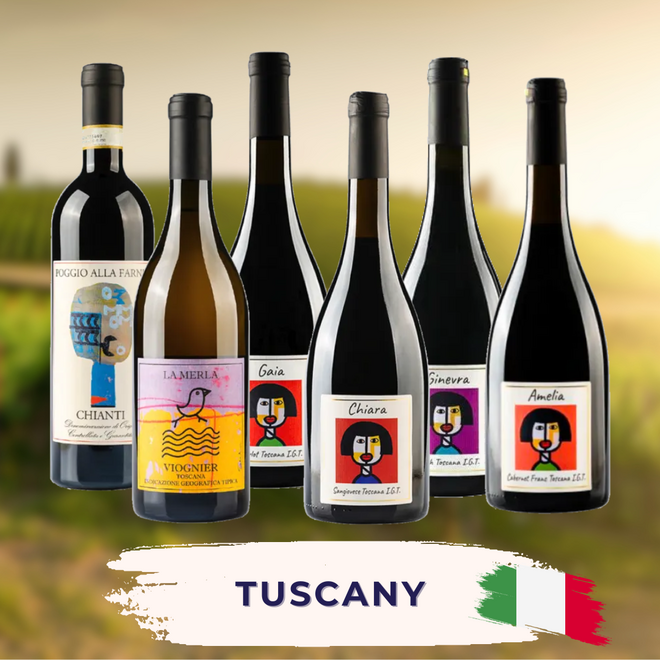
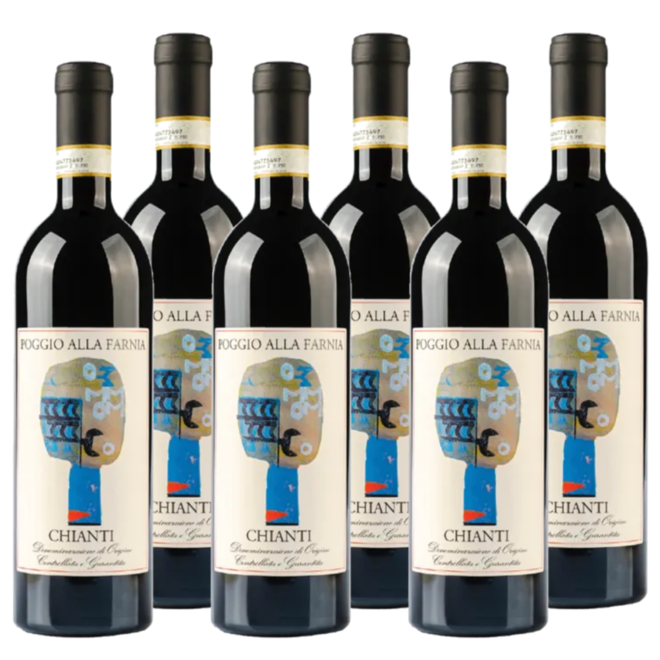
Thanks to its fresh acidity, Chianti is made for Tuscan food. A young Chianti goes with pasta in tomato sauce, pizza, lasagne and salumi. A Riserva calls for bistecca alla fiorentina, wild boar, herby stews or aged pecorino. With its Chianti 'Poggio alla Farnia', Gli Archi makes a true everyday wine.
Chianti and other Sangiovese
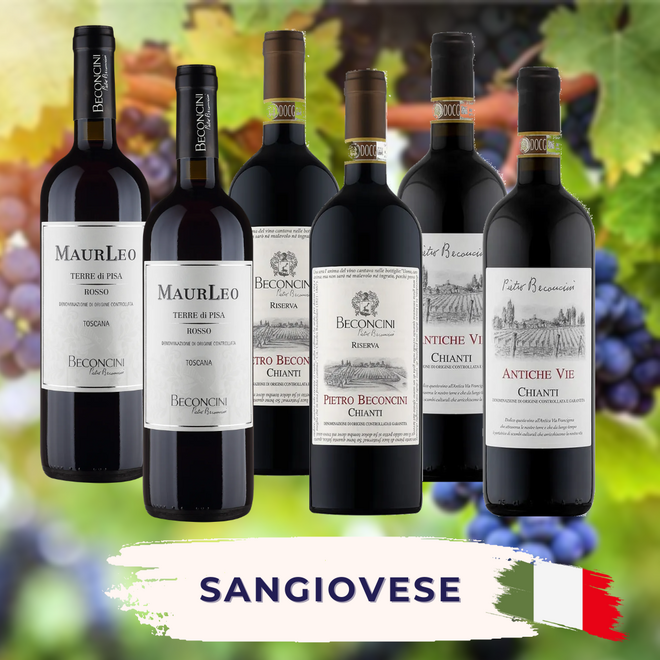
Chianti is the best known form of Sangiovese, but not the only one. The same grape also gives Brunello di Montalcino and Vino Nobile di Montepulciano. The latter is often confused with the Montepulciano grape, which makes a very different, dark wine in Abruzzo. If you want to look beyond Tuscany, discover all Italian red wines.
Frequently asked questions about Chianti
What kind of wine is Chianti?
Chianti is a dry red wine from Tuscany, made from at least 70% Sangiovese. It comes from the hills between Florence and Siena and holds DOCG status. Typical are aromas of red cherry and herbs, fresh acidity and fine tannins. That makes Chianti a true wine to drink with food.
Where can I buy Chianti Classico?
You can buy Chianti Classico on ONWINE directly from the winemaker in Tuscany, with no importer or middleman. You see exactly who makes the wine and which village it comes from. When buying, look for the black rooster on the bottle: only genuine Chianti Classico may carry that seal.
What does Chianti taste like?
Chianti tastes dry and fresh, with red cherry, raspberry, violets and a hint of dried herbs. The acidity is lively and the tannins are firm but fine. A Riserva is fuller and rounder, with notes of leather, tobacco and dried fruit from its longer ageing.
What determines the price of Chianti wine?
The price of Chianti depends mainly on origin, ageing and yield. Chianti Classico and Rufina come from higher slopes with lower yields, and a Riserva or Gran Selezione ages longer in the cellar. A small winemaker who does everything themselves often offers more quality for your money than a big brand.
What is the difference between Chianti and Chianti Classico?
Chianti Classico comes from the original heartland between Florence and Siena and has been a separate DOCG since 1996. The rules are stricter: at least 80% Sangiovese and no white grapes. You recognise it by the black rooster. Regular Chianti DOCG comes from a much larger area with subzones such as Rufina and Colli Senesi.
Is there a white Chianti?
No, Chianti is always a red wine. White wine from the same area is sold as Toscana Bianco or Vernaccia di San Gimignano. The only white wine with Chianti in its name is Vin Santo del Chianti, a sweet dessert wine made from dried Trebbiano and Malvasia grapes.
Which grape is Chianti made from?
Chianti is made from Sangiovese: at least 70% for Chianti DOCG and at least 80% for Chianti Classico. Winemakers often add local grapes such as Canaiolo and Colorino, which bring colour and softness. Some use a small share of Merlot or Cabernet, while others make their Chianti from pure Sangiovese.
What do Riserva and Gran Selezione mean for Chianti?
Riserva means the wine has aged longer: at least two years, including three months in bottle for Chianti Classico. Gran Selezione is the top tier of Chianti Classico, made only from estate grown grapes and aged for at least 30 months. Both are fuller and can be cellared for years.
What is Vin Santo?
Vin Santo is the sweet dessert wine of Tuscany. White grapes such as Trebbiano and Malvasia are dried for months after harvest, after which the wine ages for years in small barrels. It tastes of apricot, nuts, honey and caramel. Traditionally you drink Vin Santo with cantucci, the hard almond biscuits from Tuscany.
What food goes with Chianti?
Thanks to its fresh acidity, Chianti is perfect with tomato: pasta, pizza, lasagne and salumi. A Riserva or Gran Selezione suits bistecca alla fiorentina, wild boar, stews and aged pecorino. Serve Chianti at 16 to 18 degrees, and give a young Riserva an hour in the decanter.
What does shipping cost?
You order a case of six bottles per winemaker, mixed as you like. Shipping is €8 per case and the wine comes straight from the winemaker to you.



 Bio
 Classico
 Riserva
 Riserva