Buying Italian wine: everything you need to know
Italy has been making wine for more than two thousand years, and almost every region has its own grapes and its own style. From the snowy Alps in the north to the sunny islands in the south, nowhere is the variety as great. At ONWINE you buy Italian wine directly from the family wineries that make it. No importer, no middlemen. So you know exactly where your wine comes from and who made it, and the winemaker gets a fair price.
On this page you'll find all the Italian wine available on ONWINE, from a fresh Pinot Grigio for every day to a Barolo for a special occasion. Below you can read how to choose the Italian wine that suits you.
Types of Italian wine: red, white, rosé and sparkling
Italian red wine is the best-known side of the country. Think of Barolo and Barbaresco from Piedmont, Chianti from Tuscany, Amarone from Veneto and Primitivo from Puglia. View all Italian red wines.
Italian white wine is much more than Pinot Grigio. Piedmont produces soft wines from Arneis, such as the Roero Arneis from Mauro Sebaste. The Marche gives crisp Verdicchio and Sicily sunny Grillo, such as the 'Canto del Grillo' from Abbazia San Giorgio. View all Italian white wines.
Italian rosé is called rosato: fresh, dry and often made from local red grapes. Try the 'Calypso' Piemonte Rosato from Poggio, made from Barbera. View all rosé.
Italian sparkling wine is best known as prosecco, such as the Prosecco DOC Brut from Tenuta Polvaro. If you want finer bubbles, choose Franciacorta from Lombardy, made with a second fermentation in the bottle, such as the Franciacorta DOCG Brut from La Montina. And then there is Lambrusco: lightly sparkling red wine from Emilia-Romagna, such as the 'PURO!' Lambrusco Rosso.
The most important Italian wine regions
Piedmont in the northwest is Nebbiolo country. Here you find Barolo and Barbaresco, but also juicy Barbera, white Arneis, sweet Moscato d'Asti and the distinctive Timorasso from the Colli Tortonesi. Francone makes a Barbaresco and a Barolo here, among others.
Tuscany is the home of Sangiovese. Its best-known wines are Chianti, Brunello di Montalcino and Vino Nobile di Montepulciano. Fattoria Lavacchio makes the 'Cedro' in Chianti Rufina, Piombaia a fresh Rosso di Montalcino in Montalcino.
Veneto, around Verona and Venice, gives us Amarone, Valpolicella, light Bardolino from Lake Garda, prosecco and plenty of Pinot Grigio. Cottini Marco makes a smooth Bardolino and a Corvina Verona here.
Puglia, the heel of the boot, is warm and sunny. Primitivo and Negroamaro grow here and give full, smooth red wines. Try the 'Pepe Nero' Primitivo di Manduria from Vinicola Cicella or the Negroamaro from Miali. View all Primitivo.
Marche and Abruzzo on the Adriatic coast are known for Verdicchio and Montepulciano, such as the Montepulciano d'Abruzzo from Montali. Note: Montepulciano d'Abruzzo is a grape from Abruzzo, while Vino Nobile di Montepulciano is a Sangiovese from the Tuscan town of Montepulciano.
Trentino, Alto Adige and Lombardy in the mountains give fresh, elegant wines. In the Valtellina, Nera Vini makes the 'Il Gheppio' Sforzato from dried Nebbiolo. Sicily and Sardinia show the sunny Mediterranean side, from Grillo to Vermentino.
Also well known are Gavi (Cortese) from Piedmont, Lugana (Turbiana) from Lake Garda and Friuli with its fresh white wines.
Italian grapes
Italy has hundreds of its own grape varieties. These are the best known:
- Nebbiolo: the grape of Barolo and Barbaresco. Pale in colour but high in tannin, with rose, cherry and tar. Try the Langhe Nebbiolo from La Trava.
- Sangiovese: the backbone of Chianti and Brunello. Cherry, herbs and fresh acidity, as in the 'Antiche Vie' Chianti from Pietro Beconcini.
- Barbera: juicy and fresh, with little tannin. An easy red for any meal, such as the 'Namaste' Barbera d'Asti from Cordara.
- Primitivo: full, smooth and ripe. Genetically the same grape as the American Zinfandel.
- Pinot Grigio: Italy's best-known white grape, light and fresh, such as the Pinot Grigio DOC Venezia from Tenuta Polvaro.
- Arneis and Verdicchio: white grapes with more body, floral notes and a gentle bitter finish, such as the Verdicchio dei Castelli di Jesi from Marchetti.
- Glera: the grape of prosecco. Moscato: aromatic and often lightly sweet.
DOC, DOCG and IGT: what do they mean?
On an Italian label you'll almost always see an abbreviation that tells you something about the origin:
- DOCG (Denominazione di Origine Controllata e Garantita): the highest level, with the strictest rules. For example Barolo, Barbaresco, Chianti and Amarone della Valpolicella.
- DOC (Denominazione di Origine Controllata): wine from a recognised area, made according to that area's rules. For example Langhe, Bardolino and Prosecco.
- IGT (Indicazione Geografica Tipica), also IGP: a broader regional designation that gives the winemaker more freedom.
IGT says nothing about quality. Many winemakers choose it deliberately, because it lets them decide their own grapes and methods. The famous Super Tuscans were once sold as simple table wine.
Amarone, Ripasso and Barolo: what makes them special?
Amarone della Valpolicella is made from grapes that are dried for months after the harvest, mainly Corvina, Corvinone and Rondinella. This is called appassimento. The grapes lose water, which makes the wine full, powerful and rich, with notes of dried fruit and chocolate. Try the 'Ca Celeste' Amarone Classico from Ca Matta.
Valpolicella Ripasso is the little brother: regular Valpolicella that ferments a second time on the skins left over from Amarone. That gives it more body and flavour at a friendlier price. Take a look at the Valpolicella Ripasso Superiore.
Barolo is made from 100% Nebbiolo and ages for at least 38 months, of which at least 18 months in wood. A Barolo Riserva ages even longer. The result is a wine that can be cellared for years and keeps getting softer, such as the 'Ghé' Barolo Riserva from Mauro Sebaste.
Which Italian wine goes with which dish?
- Pizza and pasta with tomato sauce: a Chianti or a juicy Barbera.
- Risotto, truffle and mushrooms: a Nebbiolo, Barbaresco or Barolo.
- Stews, game and aged cheese: an Amarone or a full Primitivo.
- Fish, shellfish and antipasti: a Pinot Grigio, Verdicchio or Vermentino.
- Charcuterie and Parmesan: a dry Lambrusco.
- As an aperitif: a prosecco or Franciacorta. With dessert: a Moscato d'Asti.
How do you choose a good Italian wine?
The best Italian wine is the one that suits your taste. If you like elegant reds such as Pinot Noir, choose a Nebbiolo or Barbaresco. If you like full and smooth such as Merlot, try a Primitivo or Amarone. And if you enjoy Chardonnay, choose an Arneis or Verdicchio for more body.
Looking for something different? Italy is a treasure trove of natural wine and orange wine, such as the 'Orange' Zibibbo from Abbazia San Giorgio on Pantelleria. For more inspiration, see 10 special wines from Italy.
Still not sure? A tasting case is the easiest way to discover what you like. With the Northern Italy Tasting Case you taste six wines in one box, and the Chianti Tasting Case shows you Chianti Rufina in all its facets. Looking for an exclusive Italian wine for a special occasion? Then take a look at the 'Galizja' Gattinara from Il Chiosso or the Barolos from the Langhe.



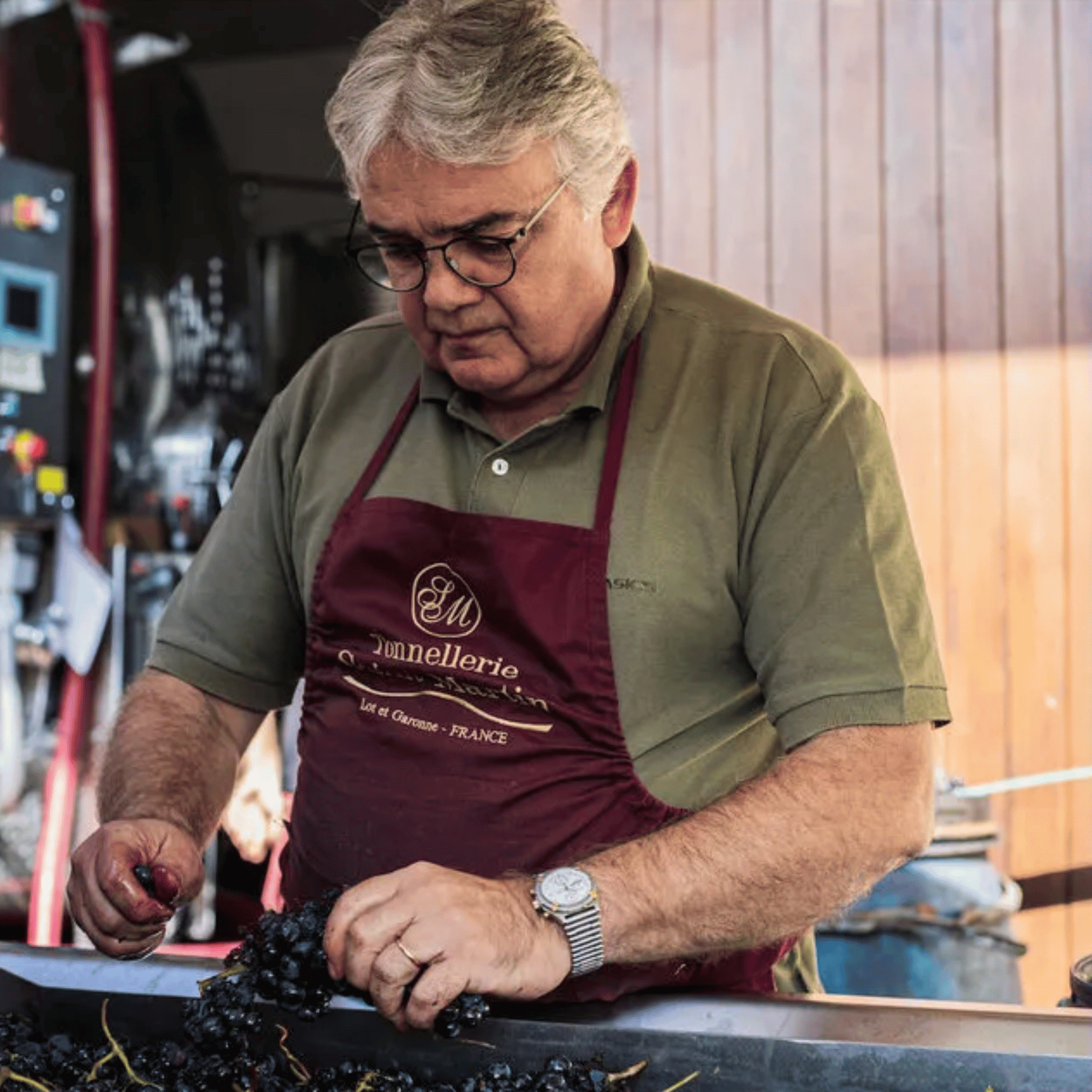
 Barolo
 Primitivo
 Under €15
 Prosecco


 Noble and firm
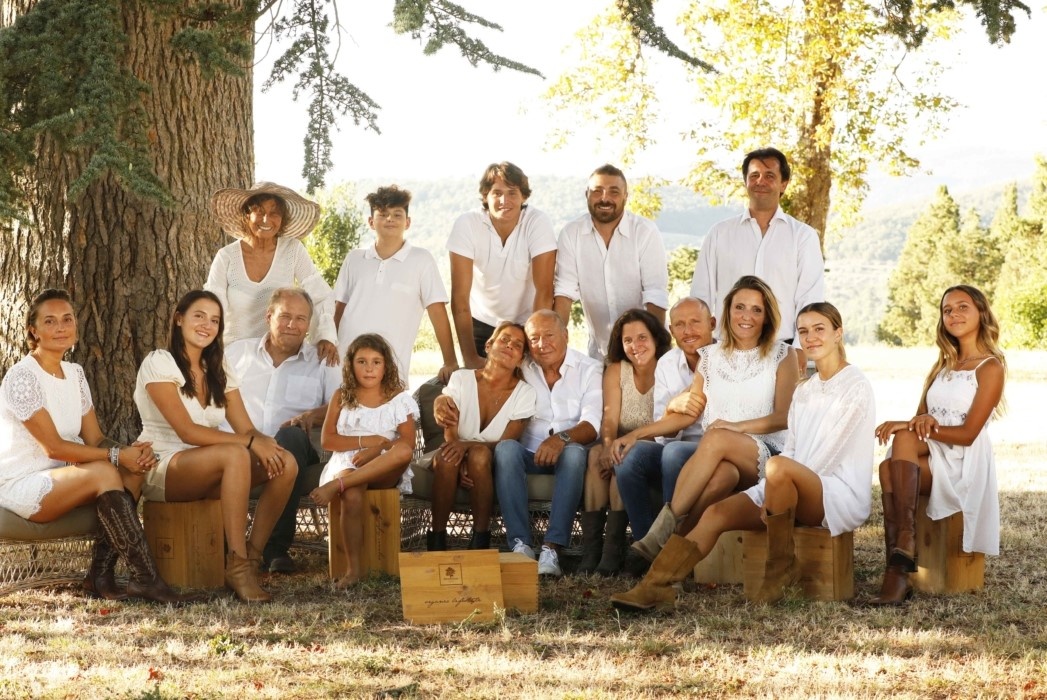 Classic Tuscany
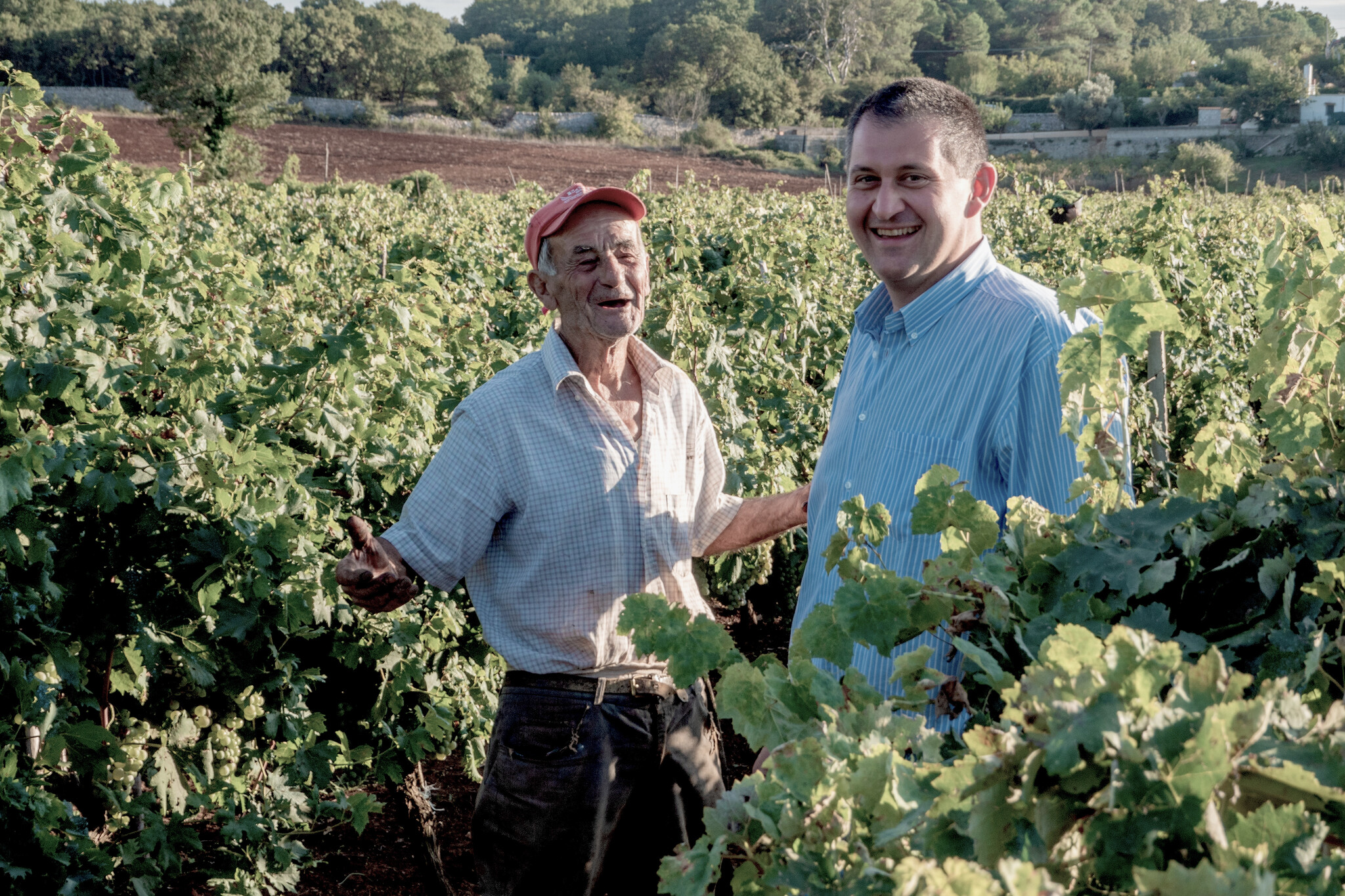 Sunny and full
 Fresh from the mountains