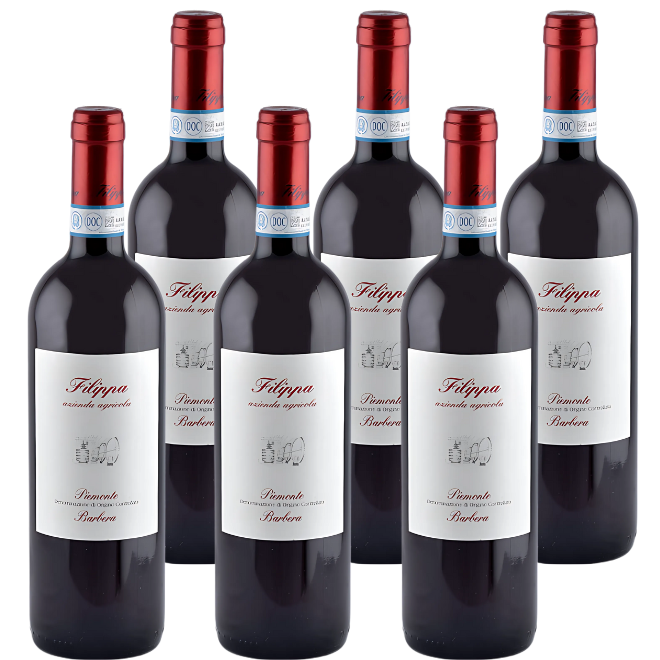
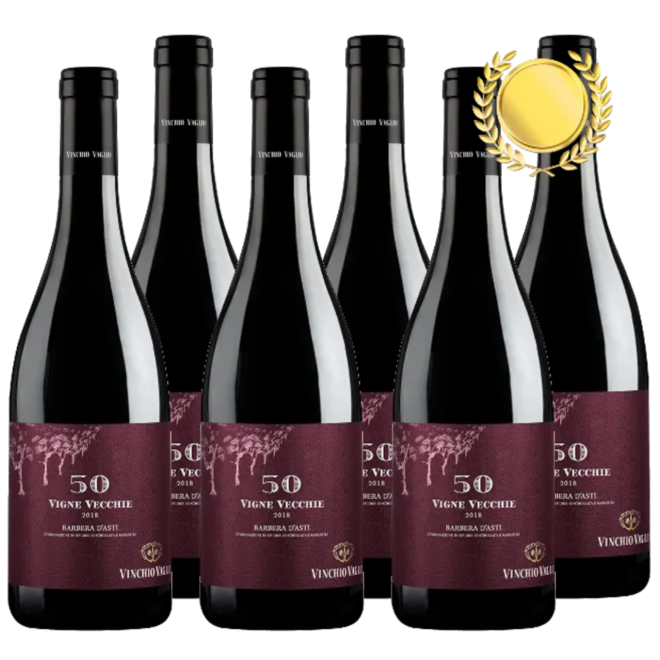
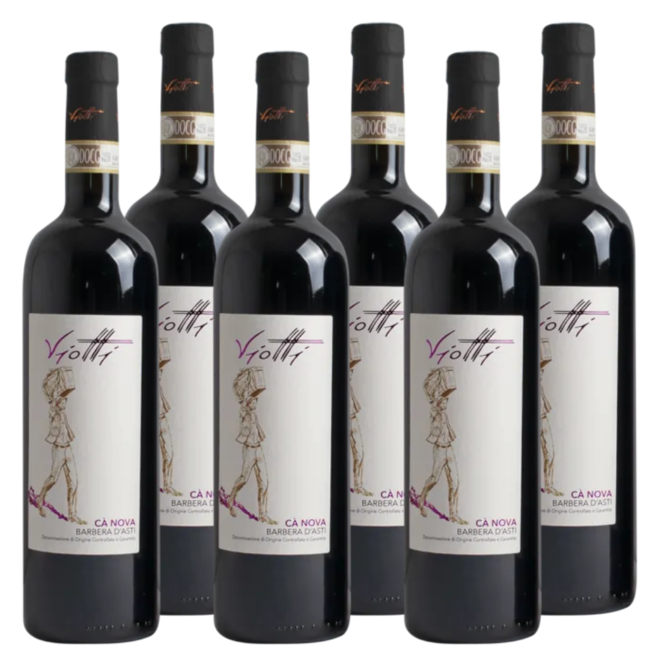
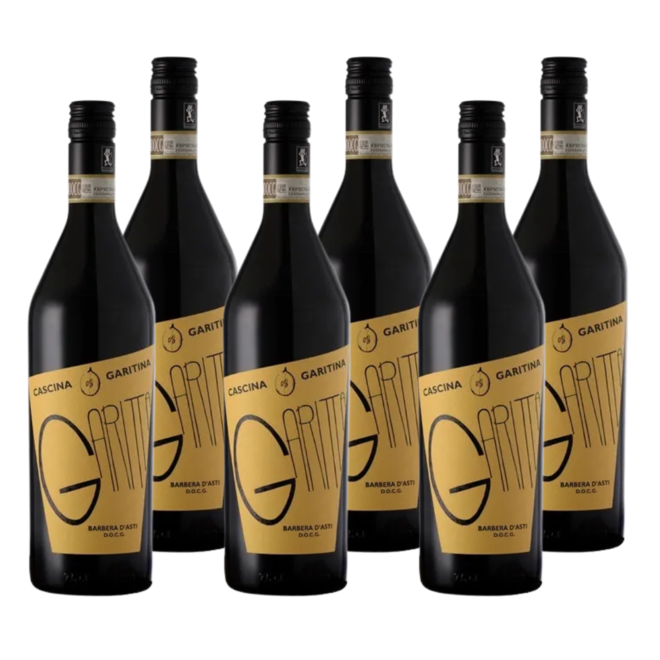
Buy Barbera wine directly from the winemaker
Barbera is the most planted red grape in Piedmont and the wine you see on the table there every day. It has little tannin, plenty of fresh acidity and a deep colour, with aromas of cherry, plum and blackberry. That makes it juicy and supple, and a match for almost anything from the Italian kitchen. From a young, fruity Barbera d'Asti to a mature Nizza, the grape shows itself in many ways.
At ONWINE you buy Barbera directly from the winemaker, with no importer in between. You put together a case of six bottles per winemaker and pay €8 shipping per case.
What kind of wine is Barbera?
Barbera probably comes from the hills of the Monferrato, between Asti and Casale, and has been described since the eighteenth century. Where Nebbiolo is pale and high in tannin, Barbera is the opposite: deep in colour, soft in tannin and high in acidity. That fresh acidity holds even in warm years. Barbera is therefore a dry red wine that can be light and fruity, but also full and round when the grapes are fully ripe and the wine has spent time in oak.
Barbera also grows in Lombardy and Emilia, and further afield in California and Argentina. The best and most varied Barbera still comes from Piedmont.
Barbera by style: from young and fruity to full and mature
Young, fruity Barbera
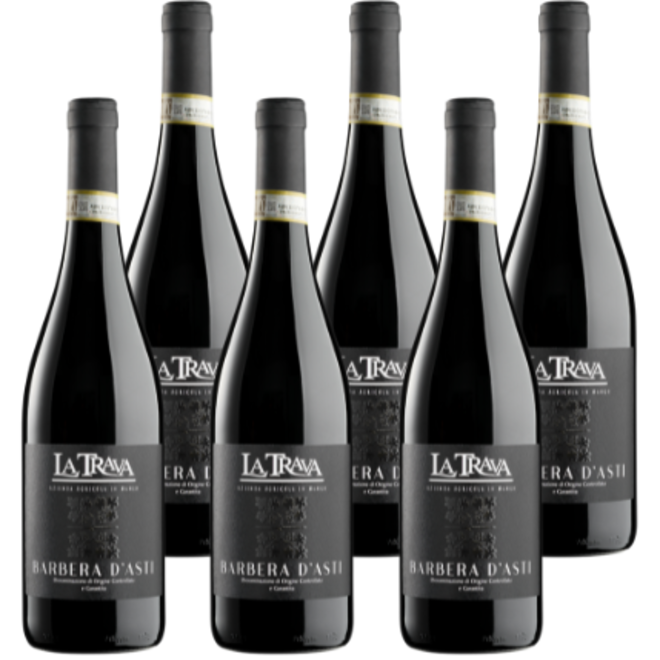
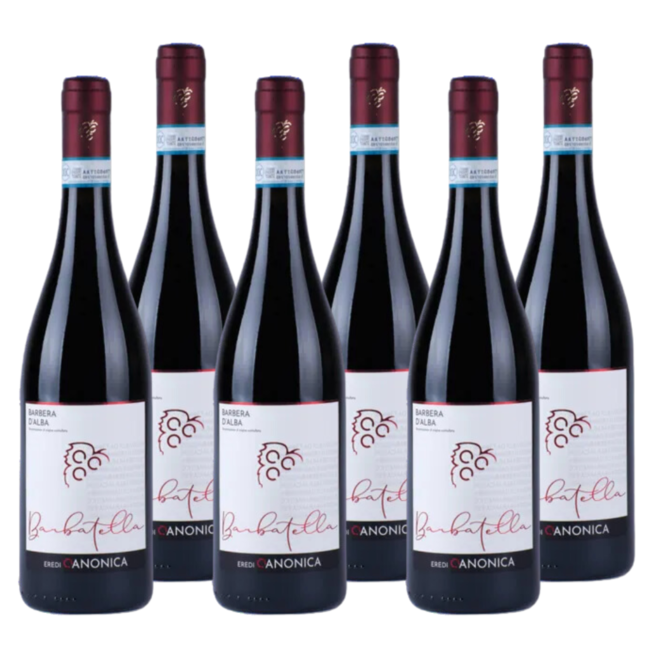
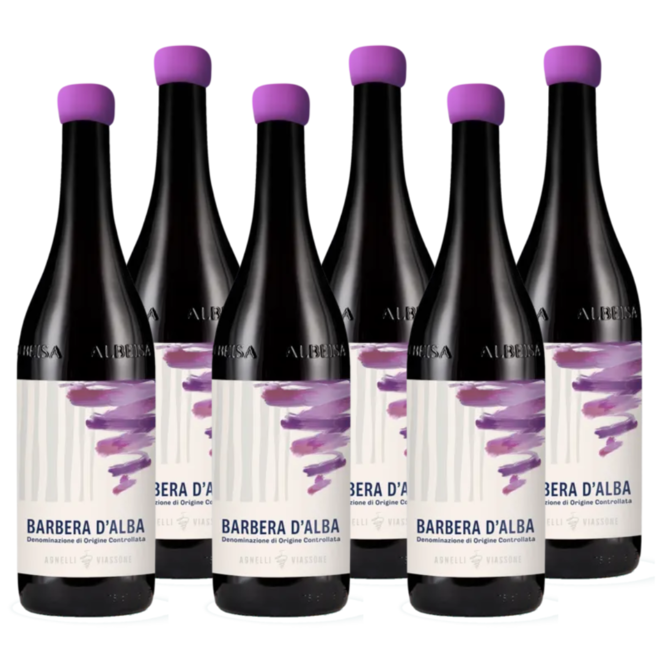
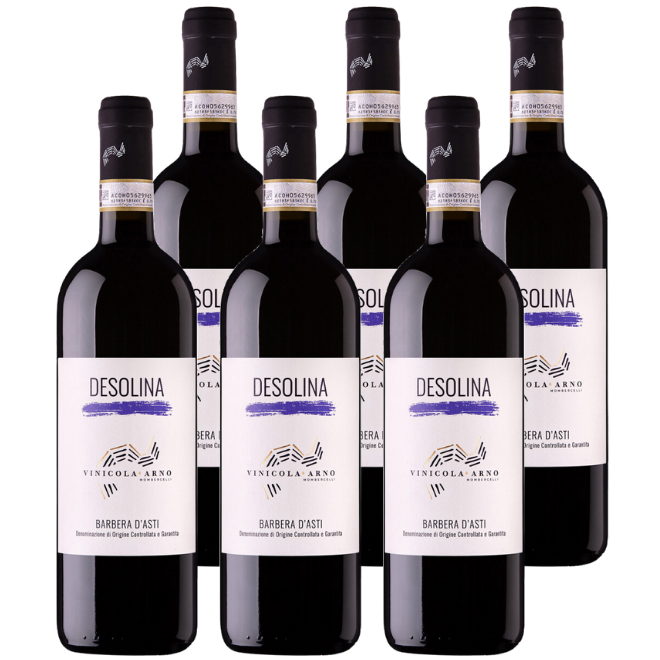
The base is a Barbera d'Asti, Barbera d'Alba or Piemonte Barbera that spent little or no time in oak. Juicy, fresh and full of red fruit, and best slightly chilled. View all young Barbera →
Superiore and Nizza
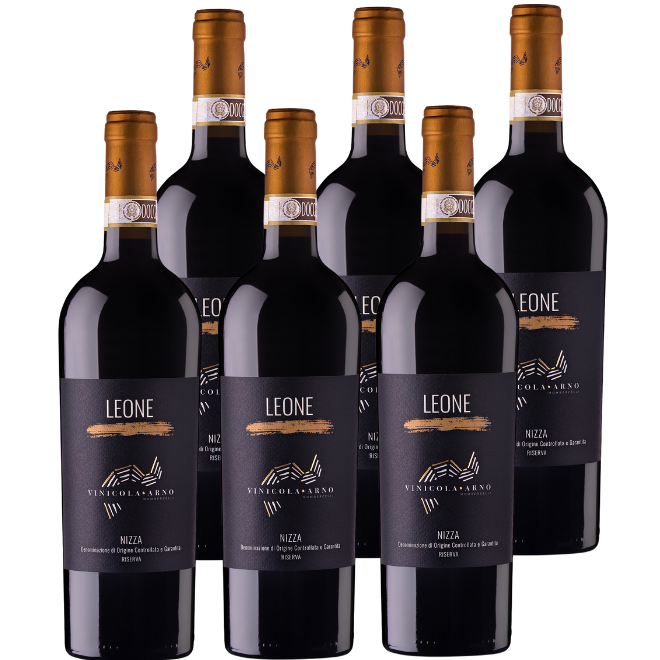
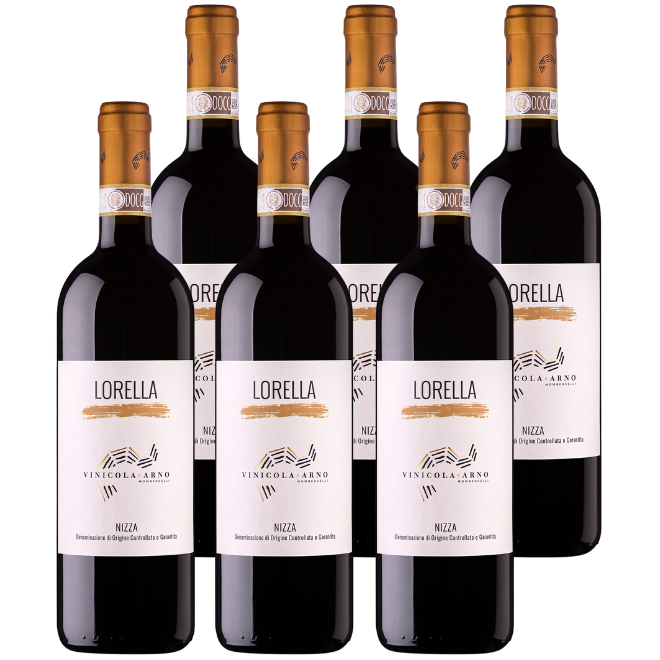
A Superiore ages longer, partly in wooden casks, and is fuller and rounder. The top is Nizza, its own DOCG around Nizza Monferrato, always 100% Barbera and aged longer. Vinicola Arno, for example, makes the 'Lorella' Nizza DOCG here. View all Superiore and Nizza →
Appassimento
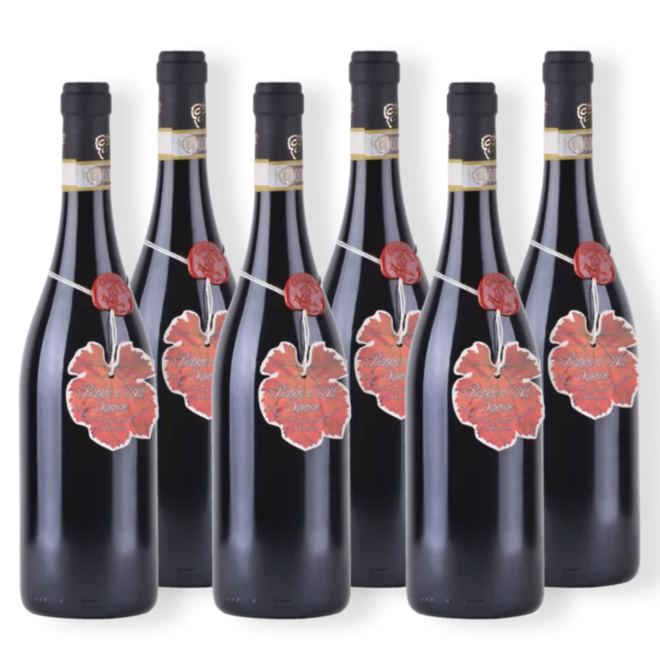
For a Barbera appassimento, the winemaker lets part of the grapes dry before pressing. That gives a round, soft wine with notes of ripe cherry and dried fruit, while Barbera's fresh acidity keeps it in balance.
Rosé, sparkling and Passito
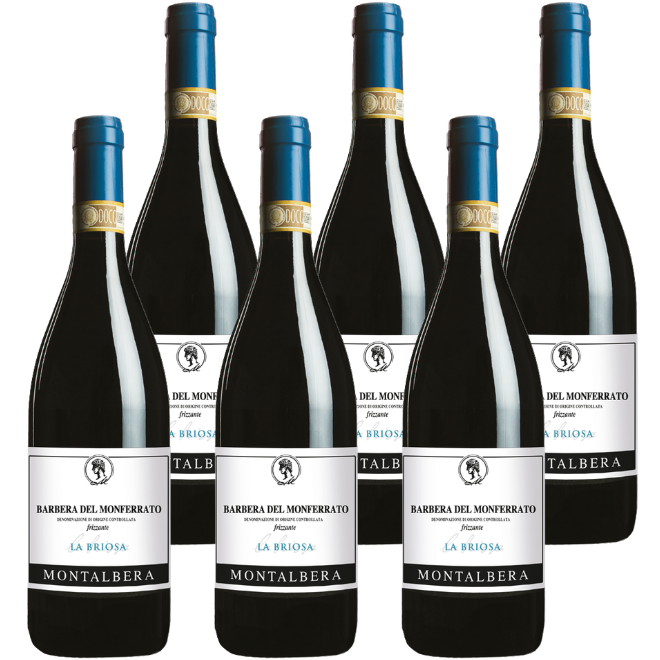
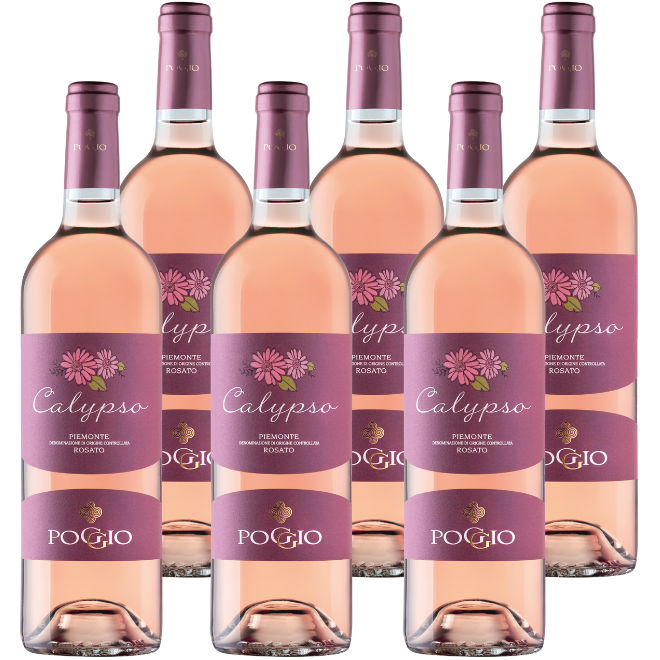
Barbera can be light too: as a rosato fresh and fruity, as a frizzante gently sparkling. Montalbera, for example, makes the 'La Briosa' Frizzante Barbera del Monferrato. A rarity is Barbera Passito from dried grapes: sweet and concentrated. View Barbera rosé →View sparkling Barbera →
Organic and natural wine
Many winemakers in Piedmont work organically or make natural wine with as little intervention as possible. Find more under organic wine and natural wine. View all organic Barbera →
Where does Barbera come from?
Each origin gives the grape its own character.
Barbera d'Asti
Barbera d'Asti is the largest and best known origin, on the hills of the Monferrato around Asti. It has been a DOCG since 2008, with at least 90% Barbera. The wines are fresh and lively, with bright red fruit.
Barbera d'Alba
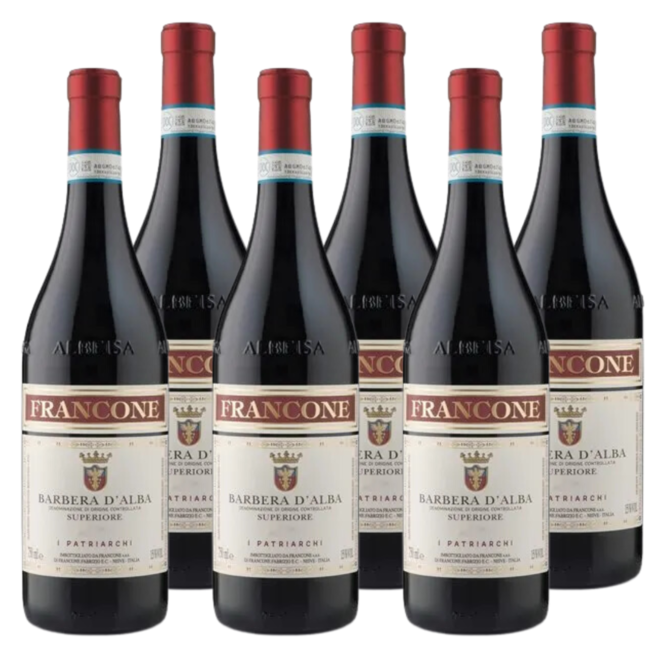
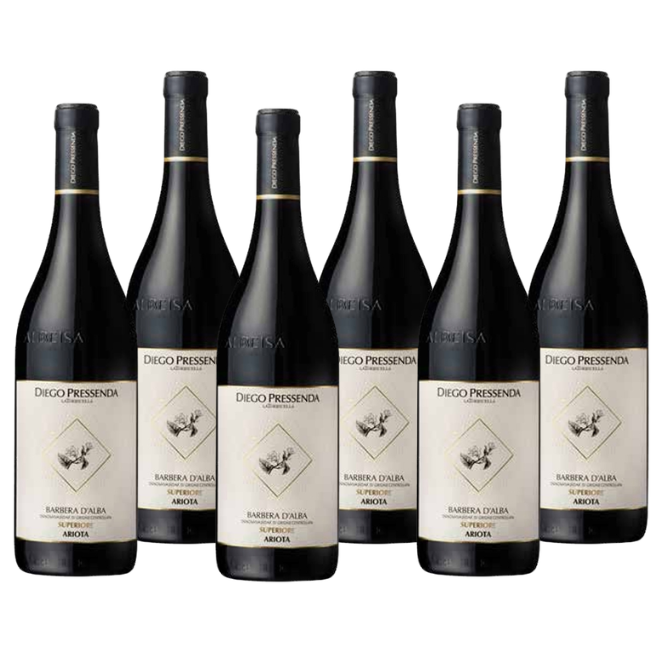
Barbera d'Alba comes from the Langhe and Roero around Alba and is a DOC with at least 85% Barbera. The wine is often a little fuller, darker and rounder.
Barbera d'Alba vs Barbera d'Asti
Broadly, Barbera d'Asti is fresher and juicier, Barbera d'Alba deeper and rounder. But the winemaker's style and the use of oak often say more than the origin.
Nizza, Monferrato and Colli Tortonesi
Nizza is the top origin around Nizza Monferrato, with the oldest vines on the best slopes. Barbera del Monferrato comes from the area around Casale and Moncalvo and ranges from gently sparkling to full. Colli Tortonesi lies in the east of Piedmont near Tortona, which is also home to Timorasso. With Piemonte DOC, Barbera from anywhere in Piedmont appears on the label.
How to read a Barbera label
Barbera d'Asti, Nizza and Barbera del Monferrato Superiore are DOCG, the highest Italian quality tier. Barbera d'Alba, Barbera del Monferrato and Piemonte Barbera are DOC. Superiore means longer ageing and more alcohol: for Barbera d'Asti at least 14 months, 6 of them in wood. A Nizza ages for at least 18 months, a Nizza Riserva for at least 30 months. A Barbera d'Asti Superiore may also name a subzone such as Tinella or Colli Astiani. View Barbera Superiore and Nizza →
Barbera wine price and quality
Barbera is one of the best value red wines in Italy. The grape gives generous yields, the wine does not need years in the cellar, and most bottles are ready to drink early. A Superiore, a Nizza or a wine from old vines costs more, because yields are lower and the wine ages longer, often in oak. Winemakers such as Mauro Sebaste, Tenuta La Tenaglia and Cascina Garitina show how much difference there is between a juicy everyday Barbera and a serious wine for the cellar. To explore the great wines of the region, also see Barolo and red wine from Italy.
What food goes with Barbera?
Thanks to its fresh acidity, Barbera is ideal with tomato. It is one of the best wines for pasta with red sauce: pasta with ragù, lasagne, pizza and mushroom risotto. A full Superiore or Nizza goes with grilled meat, stews and aged cheeses. Serve young Barbera at 14 to 16 degrees and a Nizza at 16 to 18 degrees. Drink young Barbera within three to five years; a good Superiore or Nizza can last eight to ten years.
Frequently asked questions about Barbera
What kind of wine is Barbera?
Barbera is a dry red wine from Piedmont, made from the grape of the same name. It has a deep colour, little tannin and plenty of fresh acidity, with notes of cherry, plum and blackberry. The best known origins are Barbera d'Asti, Barbera d'Alba and Nizza. It is the most planted red grape in Piedmont.
Is Barbera a heavy wine?
No, most Barbera is medium bodied and supple. Thanks to its fresh acidity and low tannin, the wine feels light and juicy. A Superiore or Nizza aged in oak is fuller and rounder but stays fresh. For the lightest style, choose a young Barbera or a frizzante.
What is the difference between Barbera d'Asti and Barbera d'Alba?
Barbera d'Asti comes from the Monferrato around Asti, is a DOCG with at least 90% Barbera and is often fresh and lively. Barbera d'Alba comes from the Langhe and Roero, is a DOC with at least 85% Barbera and is usually a little fuller and rounder. The winemaker's style often makes the biggest difference.
How much does a good Barbera cost?
Barbera is one of the best value quality wines in Italy. A young Barbera d'Asti or d'Alba is affordable for every day. A Superiore, Nizza or wine from old vines costs more because it ages longer and yields are lower. Buying directly from the winemaker cuts out the middleman's margin.
What is the best wine for pasta with red sauce?
Barbera is one of the best choices for pasta with red sauce. The wine's fresh acidity matches the acidity of the tomato, and its low tannin does not clash with the sauce. A young Barbera suits pasta al pomodoro and pizza, a Superiore goes with ragù and lasagne.
What does Superiore mean for Barbera?
Superiore means the Barbera has aged longer and has a higher alcohol level. A Barbera d'Asti Superiore ages for at least 14 months, 6 of them in wooden casks. As a result the wine is fuller, rounder and more complex than a standard Barbera, and it keeps for longer.
What is Nizza DOCG?
Nizza DOCG is the top origin for Barbera, around the small town of Nizza Monferrato in the province of Asti. The wine is always 100% Barbera, comes from the best slopes and ages for at least 18 months, 6 of them in wood. A Nizza Riserva ages for at least 30 months. Nizza has been a separate DOCG since 2014.
What is Barbera del Monferrato?
Barbera del Monferrato is a DOC from the hills of the Monferrato, around Casale and Moncalvo. The wine can be still or gently sparkling and is often juicy and fresh. The Superiore version is a DOCG and ages for at least 14 months, 6 of them in wood, for a fuller style.
How long can you keep Barbera?
A young, fruity Barbera is best drunk within three to five years, while the fruit is still fresh. A Superiore or Nizza can last eight to ten years and becomes rounder with time. Store the bottle lying down, in the dark and cool, at around 12 to 14 degrees.
What goes with Barbera?
Barbera goes with pasta with ragù, pizza, lasagne, mushroom risotto and cured meats. A full Superiore or Nizza is lovely with grilled meat, stews and aged cheeses. Serve young Barbera at 14 to 16 degrees, slightly chilled, and a Nizza at 16 to 18 degrees.
What does shipping cost?
You order a case of six bottles per winemaker, mixed as you like. Shipping is €8 per case and the wine comes straight from the winemaker to you.



 Young
 Superiore
 Nizza
 Sparkling