Buying Spanish wine: everything you need to know
Spain has more vineyard land than almost any other country in the world, and you can taste it. From the cool, green coast of Galicia to the hot plateau of La Mancha, every region has its own style. At ONWINE you buy Spanish wine directly from the family wineries that make it. No importer, no middlemen. So you know exactly where your wine comes from and who made it, and the winemaker gets a fair price.
On this page you'll find all the Spanish wine available on ONWINE, from a smooth Rioja Tempranillo for every day to an exclusive Priorat for a special occasion. Below you can read how to choose the Spanish wine that suits you.
Types of Spanish wine: red, white, rosé and sparkling
Spanish red wine is world famous. Think of classic oak-aged Rioja, powerful Garnacha from Priorat and robust Tempranillo from Ribera del Duero. View all Spanish red wines.
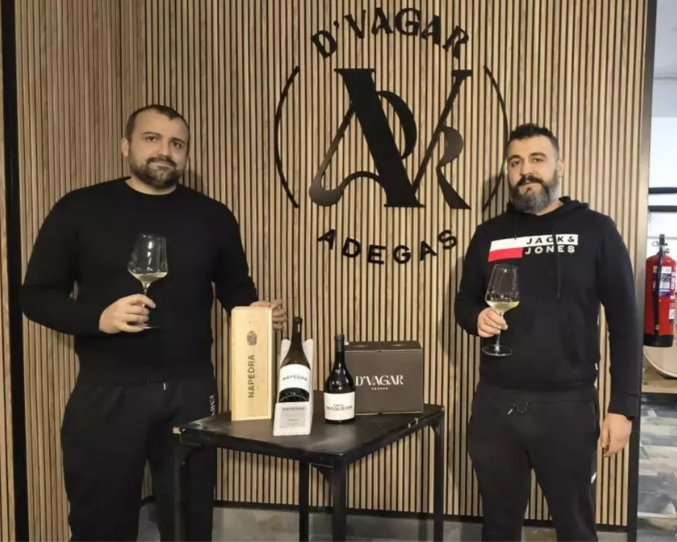
Spanish white wine is becoming more and more popular. The northwest produces fresh, mineral wines such as the Treixadura from DVagar Adegas in Ribeiro. Inland you'll find rounder wines from Macabeo, also known as Viura, and Garnacha Blanca. View all Spanish white wines.
Spanish rosé is called rosado: fresh, fruity and often made from Garnacha. Try the 'Marie' Vino Rosado from Bodegas La Canetana or the Marqués del Hueco Rosado from Rioja.
Spanish sparkling wine is best known as cava. Winemakers outside the cava region also make their own sparkling wines, such as the 'Los Caprichos de Paco' Blanc de Noirs Brut Nature from Bodega Amadís de Gaula. View all Spanish sparkling wines.
The most important Spanish wine regions
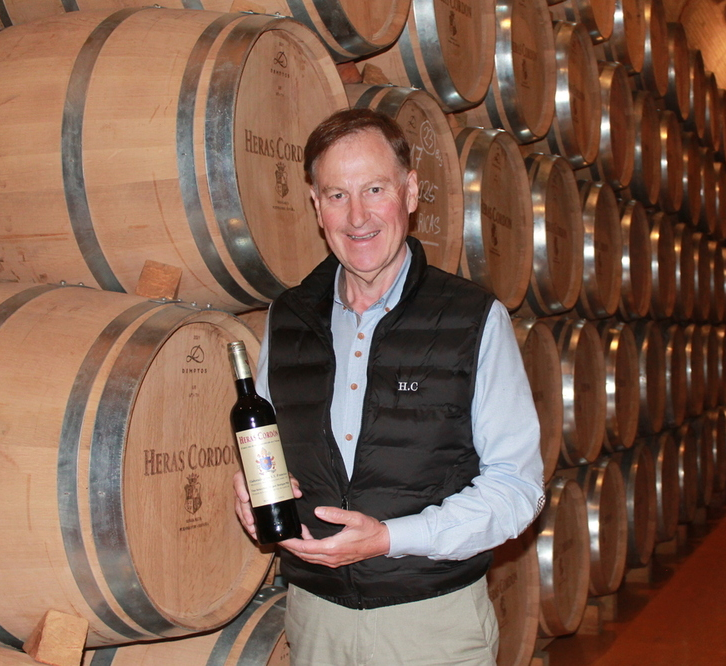
Rioja is Spain's best-known wine region. Along the river Ebro, Tempranillo dominates and is often aged in oak. Bodegas Heras Cordón makes everything here from young, fruity Rioja to a rich Reserva.
Priorat in Catalonia is small, steep and rugged. On the dark slate soil called licorella, old Garnacha and Cariñena vines give small yields of highly concentrated grapes. The result is powerful, spicy red wine such as 'Les Camades' from Bodega Bravo Escós.
Castilla-La Mancha is Spain's largest wine region. Sunny, high and dry, with wines full of ripe fruit. Bodega Amadís de Gaula makes signature wines here, from Tempranillo and Garnacha to Chardonnay and sparkling wine.
Sierra de Salamanca lies high in the mountains in the west of Castilla y León. The cool climate gives fresh, elegant wines. Bodega La Zorra works here with old, local grape varieties.
Ribeiro in Galicia is green, rainy and cool. On granite soils, winemakers here make crisp, mineral white wines from Treixadura and Godello.
Almería in Andalusia and Aragón in the northeast show the warm, sunny side of Spain. Bodega Sierra Almagrera makes a Crianza Tinto in Almería, among others, and Bodega Taberner Amado makes fruity wines such as 'Entre Dos Aguas' Tinto in Aragón.
Other well-known regions are Ribera del Duero (Tempranillo), Rueda (Verdejo), Rías Baixas (Albariño) and Penedès (cava).
Spanish grapes
Tempranillo is Spain's most important red grape: cherry, plum and tobacco, with fresh acidity. It is the backbone of Rioja and Ribera del Duero.
Garnacha, known in France as Grenache, gives juicy, warm wines with red fruit and herbs. From fruity, like the 'Entre Dos Aguas' Tinto from Aragón, to powerful and deep, like the Requiebro Garnacha and the wines of Priorat.
Monastrell loves the heat and gives dark, full-bodied red wines.
Macabeo, called Viura in Rioja, gives fresh white wines with floral and citrus notes, such as the Requiebro Macabeo and 'El Prodigio' Viura. It is also one of the grapes used for cava.
Garnacha Blanca is the white version of Garnacha: round, ripe and full-bodied, lovely if you like a richer white wine.
Crianza, Reserva and Gran Reserva: what do they mean?
Many Spanish red wines, especially from Rioja, carry a term on the label that tells you how long the wine has been aged. In Rioja, these minimum ageing periods apply to red wine:
- Joven: young wine with little or no oak ageing. Fresh and fruity.
- Crianza: aged for at least two years, of which at least one year in oak.
- Reserva: aged for at least three years, of which at least one year in oak.
- Gran Reserva: aged for at least five years, of which at least two years in oak.
The longer the ageing, the softer and more complex the wine, with notes of vanilla, leather and dried fruit. Want to taste the difference yourself? Try a Rioja Crianza side by side with a Rioja Reserva from the same winemaker.
DO, DOCa and Vino de Pago
Spanish wines carry a designation of origin on the label. DO (Denominación de Origen) means the wine comes from a recognised region and follows its rules. Only Rioja and Priorat hold the highest status, DOCa; in Priorat the label shows the Catalan abbreviation DOQ. Vino de Pago is a designation for a single estate with an exceptional site. You will also see DOP, the European term for protected designation of origin, as in DOP Sierra de Salamanca.
Which Spanish wine goes with which dish?
- Tapas, jamón and manchego: a young Tempranillo or a Rioja Crianza.
- Lamb, stews and game: a Rioja Reserva or a powerful Priorat.
- Fish, seafood and paella: a fresh white wine from Ribeiro, or a rosado.
- Grilled vegetables and chicken: a juicy Garnacha.
- As an aperitif: a dry Spanish sparkling wine.
How do you choose a good Spanish wine?
The best Spanish wine is the one that suits your taste. If you like classic reds such as Bordeaux or Chianti, start with Rioja. If you like full and spicy wines such as Châteauneuf-du-Pape, choose Priorat. And if you enjoy Sauvignon Blanc, try a fresh white from Ribeiro or the Blanc de Canet from Bodegas La Canetana.
Still not sure? A tasting case is the easiest way to discover what you like. With the Spain Tasting Case you taste six wines in one box, and the Rioja Red Tasting Case lets you taste the difference between young and aged. Looking for an exclusive Spanish wine for a special occasion? Take a look at La Vieja Zorra 'La Genuina' from the Sierra de Salamanca or the top wines from Priorat.


 Rioja Crianza
 Priorat
 Biodynamic
 Under €15


 Full and powerful
 Classic Rioja
 High and elegant
 Fresh white