Sierra de Salamanca at a glance Location: south of the province of Salamanca, Castilla y LeónStatus: DOP (protected designation of origin), with 26 municipalitiesClimate: Mediterranean, with long, hot, dry summersAltitude: vineyards from about 400 to 1,000 metresSoil: slate and granite, on terraces on the mountain slopesGrapes: Rufete, Tempranillo, Garnacha, Rufete Blanco and morePairs with: grilled meat, poultry, tapas and cured meatsWhat makes Sierra de Salamanca special? Sierra de Salamanca is one of the smallest wine regions in Spain, with old vines on steep terraces and Rufete as its own grape.
The DOP lies in the south of the province of Salamanca and covers 26 municipalities, including Mogarraz, Sequeros and Miranda del Castañar. The area is small: it is estimated at about 90 hectares, spread over a handful of wineries. The whole area lies within the UNESCO Sierras de Béjar y Francia Biosphere Reserve, and part of it in the Las Batuecas - Sierra de Francia Natural Park.
What are the climate and soil like in Sierra de Salamanca? The climate is Mediterranean, with long, hot, dry summers and relatively short, mild winters. More than 1,000 millimetres of rain falls a year, mostly in autumn and spring.
The vineyards lie at about 400 to 1,000 metres, on terraces on the mountain slopes. The soils are acidic, which is rare in Castilla y León. Slate dominates in the west and gives more mineral, structured wines. Granite soils lie in the east and give wines with more length and softness.
Which grapes are used in Sierra de Salamanca? The main grape is Rufete, a native red grape that grows mostly in this region.
Rufete has a thin skin and so gives light wines with clear acidity, flowers and spice. It is sometimes compared to Pinot Noir. Besides Rufete, Tempranillo and Garnacha are also permitted. White wine is made from grapes such as Viura, Moscatel de Grano Menudo and Palomino. Rufete Blanco (also called Rufete Serrano) is added to these, a local white grape that was officially recognised in 2020 after a process of more than ten years.
What does wine from Sierra de Salamanca taste like? Red wine from Sierra de Salamanca is often pale in colour and fresh, with red fruit, flowers, spice and a mineral undertone. Blends with Tempranillo are rounder and fruitier, and wines from old plots or with barrel ageing are fuller and darker. White wine ranges from fresh and aromatic to full and oak-aged, and rosé has wild red fruit and a mineral character.
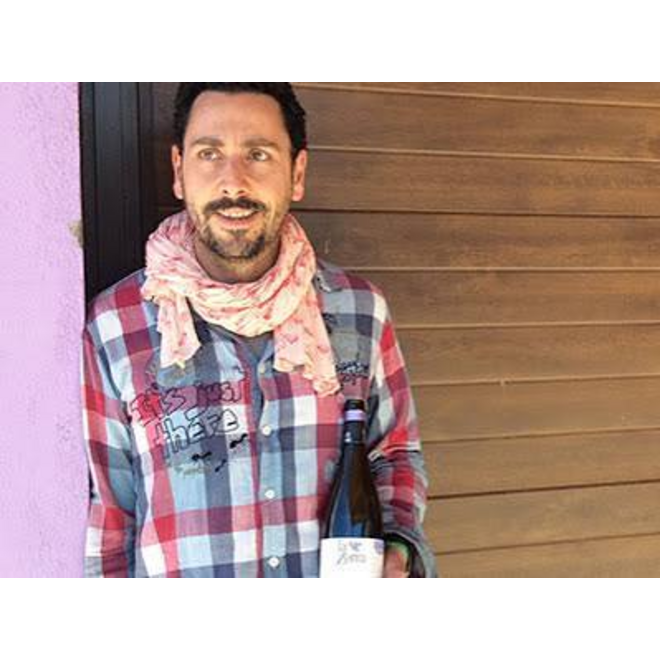
Which wines from Sierra de Salamanca can you buy at ONWINE? Right now the wine from Sierra de Salamanca at ONWINE comes from Bodega La Zorra , a family winery in Mogarraz, deep in the Sierra de Francia. Agustín Maíllo started the winery in 2010, on the same spot as the old family cellar. The winery works with old vines on slate and granite, and many wines come from small, separate plots.
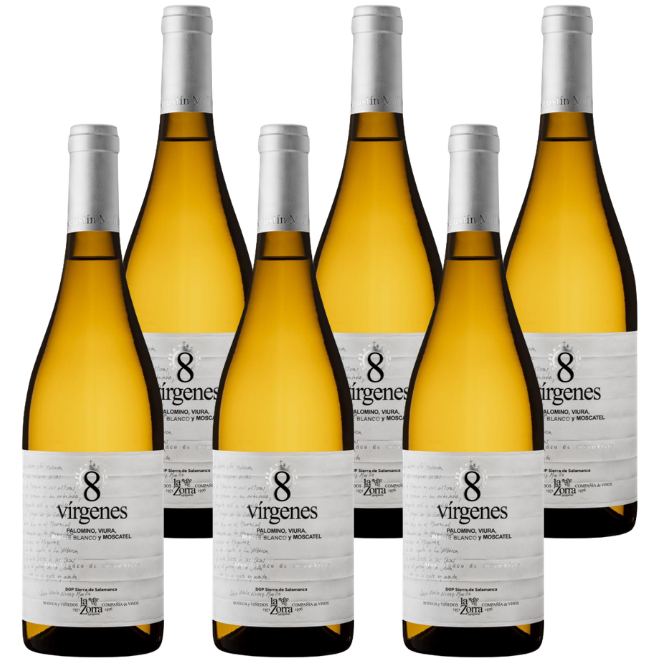
Fresh and aromatic: white and rosé The '8 Vírgenes' Blanco is a white blend of Palomino, Viura, Moscatel and Rufete Blanco from six vineyards. The grapes are picked in early September and the wine ages on the fine lees until spring. It is full and aromatic, with ripe fruit, flowers and herbs, and goes well with shellfish and white meat.
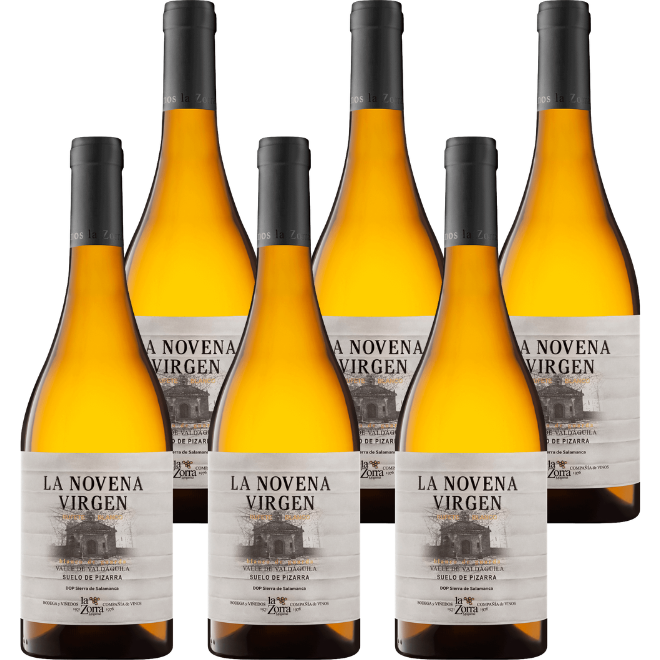
The 'La Novena Virgen' Blanco is made from 100% Rufete Blanco from four plots on slate. The wine is made like a red, with maceration on the skins, and ages for eight months in French oak. It has lemon, quince, orange blossom and hazelnut, and goes well with grilled fish and poultry.
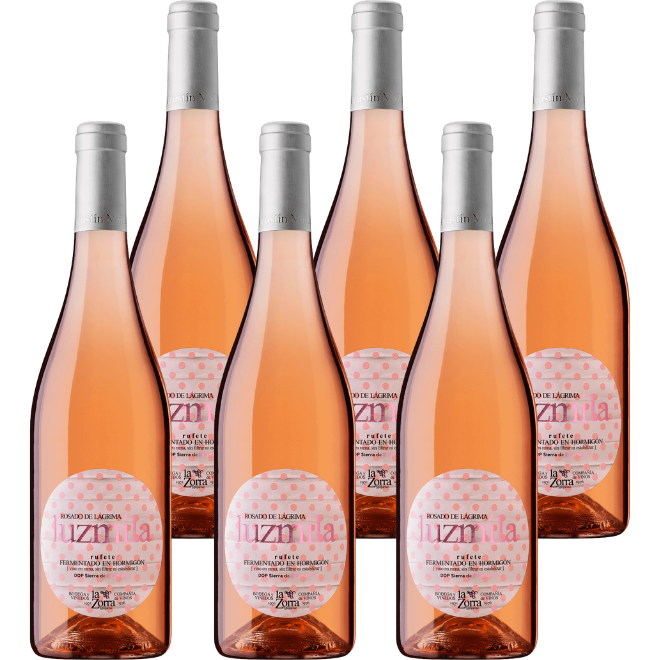
The 'Luzmila' Rosado is a rosé de lágrima made from 100% Rufete, picked by hand in August. The grapes are pressed cold with dry ice, which gives the wine a pale onion-skin colour. It has wild red fruit and minerality and goes well with shellfish, cured meats and as an aperitif.
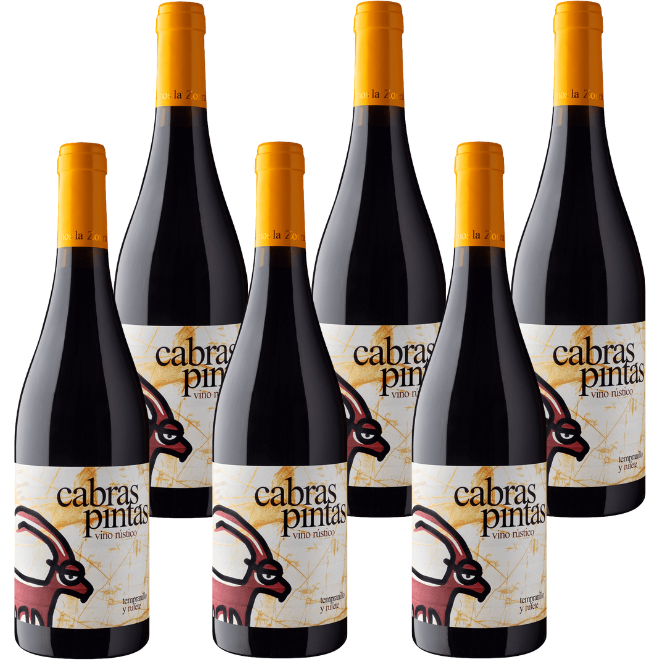
Approachable: red with Rufete and Tempranillo The 'Cabras Pintás' Tinto is a blend of 60% Tempranillo, 30% Rufete and 10% Garnacha from vines more than 60 years old. It ages for six months in French and American oak and has sloe, candied plum and herbs.
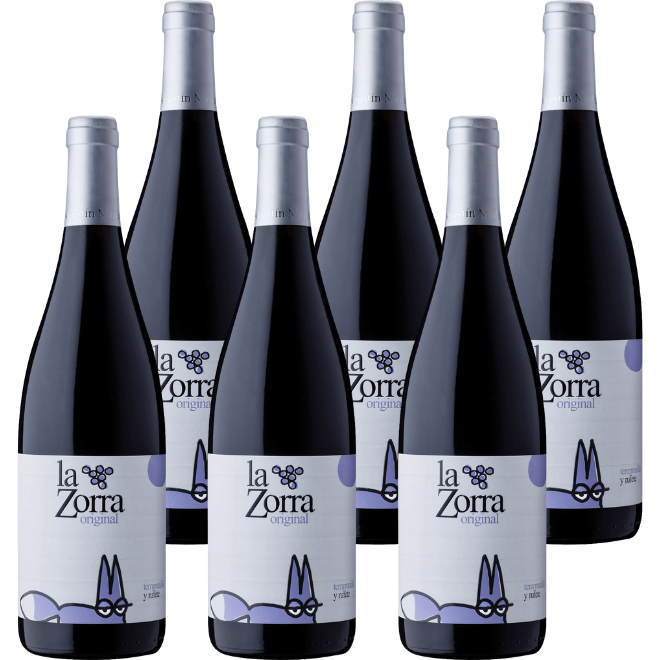
The La Zorra Original Tinto is the winery's first wine, made from 58% Rufete and 42% Tempranillo. It ages for fourteen months in French and American oak and has sloe, herbs and a mineral note.
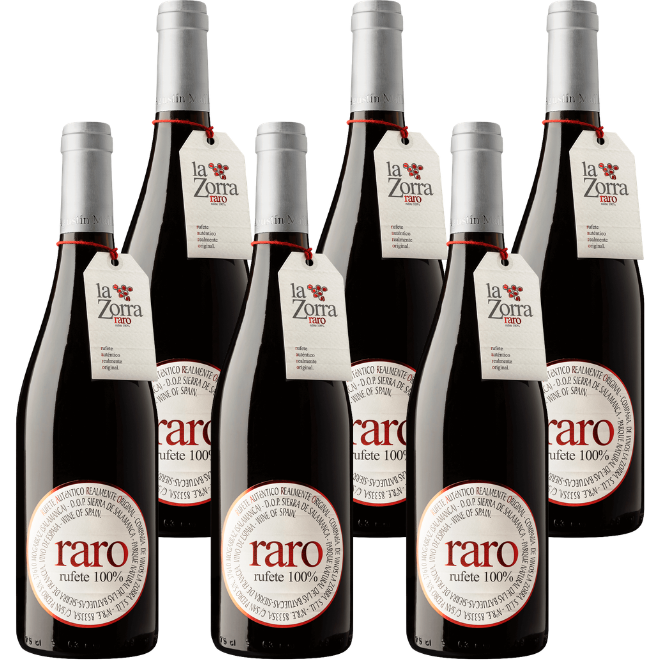
The 'Raro' Tinto is the winery's Rufete, made from 100% Rufete from vines planted in 2013 on slate and clay at 750 metres. It is light and fresh and has red fruit, dried herbs and green tea.
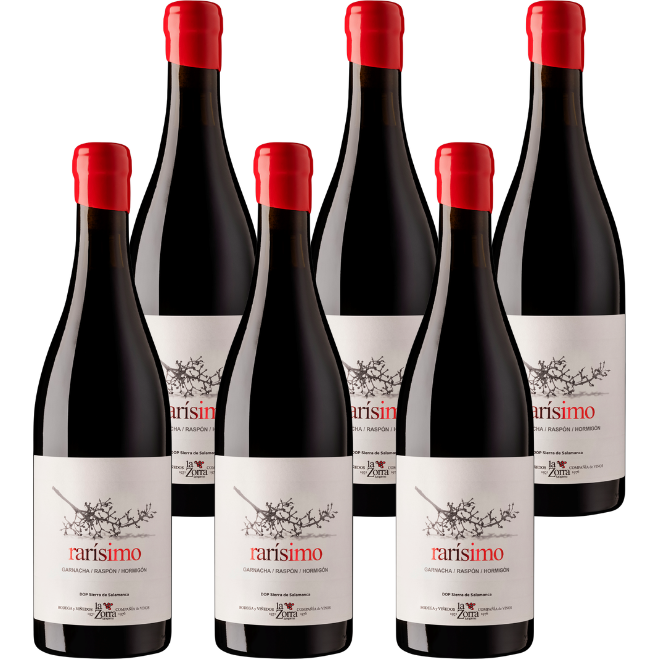
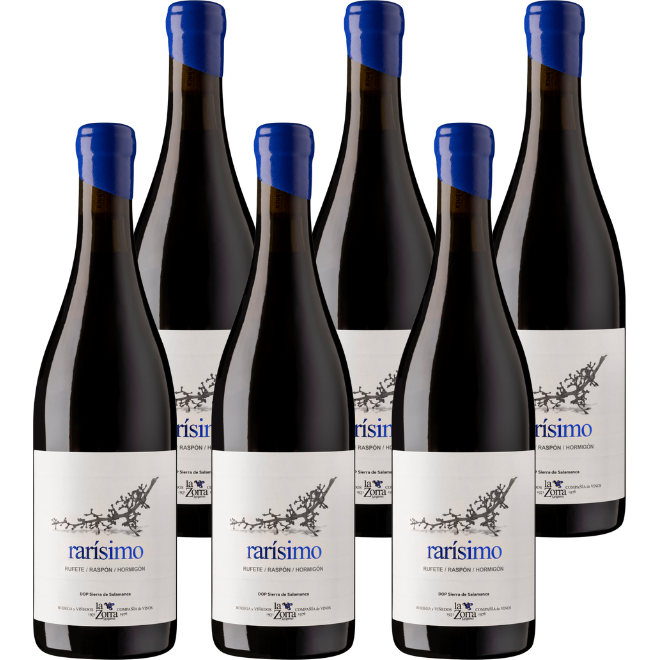
Rare and special: single plots and top wines The 'Rarísimo' Rufete comes from a single plot of 0.47 hectares planted in 1950. Only 966 bottles are made. It is light and fresh, with berries, spice and a fine hint of smoke.
The 'Rarísimo' Garnacha is made from the rare Garnacha Calabrés from three small plots at 800 metres, planted in 1945 and 1950. 1,261 bottles are made. It is elegant and mineral, with wild berries, river stone and green tea.
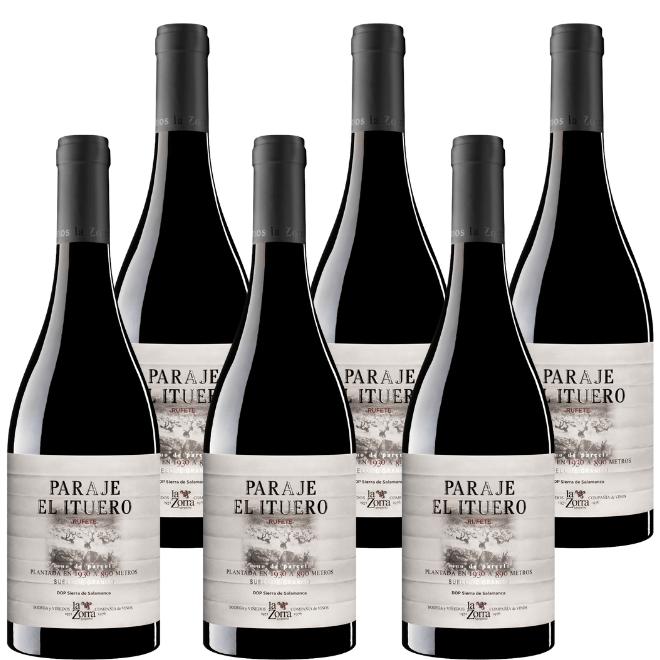
The 'Paraje El Ituero' Tinto is a Rufete from a single plot planted in 1930 at 890 metres. It ages for fourteen months in oak and has sweet spice, cigar box and caramel. It is a powerful, velvety wine for game and roast meat.
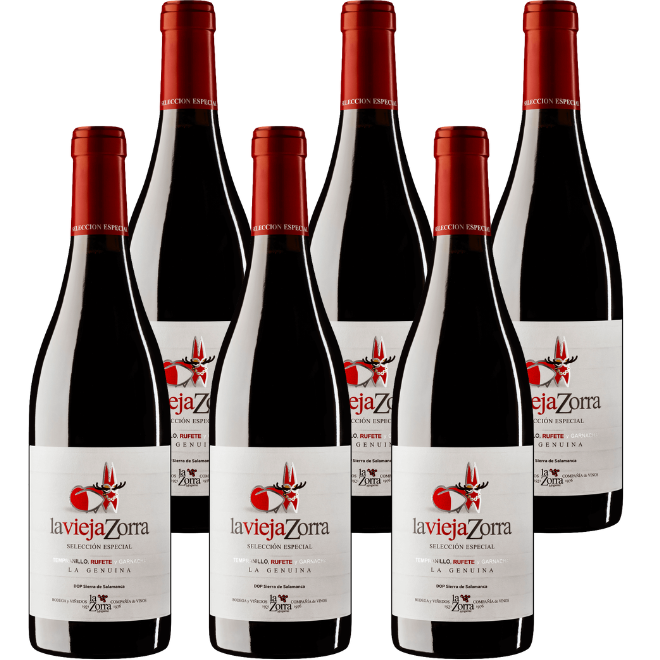
The La Vieja Zorra 'La Genuina' is the winery's top wine, a blend of Tempranillo, Rufete and Garnacha from four very old vineyards on both sides of the Alagón river. It ages for fifteen months in oak and has black fruit, vanilla and cocoa.
Which one suits you? You like fresh white wine. Choose the '8 Vírgenes' Blanco.
You want white with more depth and barrel ageing. Choose the 'La Novena Virgen' Blanco.
You want a fresh rosé. Choose the 'Luzmila' Rosado.
You like fruity red wine with spice. Choose the 'Cabras Pintás' or the La Zorra Original.
You want to get to know Rufete. Choose the 'Raro' Tinto or the 'Rarísimo' Rufete.
You want a powerful red for meat. Choose the 'Paraje El Ituero' or La Vieja Zorra.
You want to taste first. Choose the Bodega La Zorra Tasting Case , with two white wines, a rosé and three red wines.
What food goes with wine from Sierra de Salamanca? Light red wine from Rufete goes with grilled meat, poultry, tapas, cured meats and medium-aged cheese, and more powerful red wine with game, roast meat and stews. White wine and rosé go with shellfish, fish, soft cheese and as an aperitif. In the region itself, people eat hornazo with it, a traditional meat pastry.
Buy Sierra de Salamanca wine at ONWINE At ONWINE you buy wine directly from the winemaker, and on our winemakers page you can read who is behind the wine. Shipping is free from 12 bottles from the same winemaker. You can find more white wine in our Spanish white wine , more red wine in our Spanish red wine and more rosé in our rosé wine .
View all Spanish wine →
Frequently asked questions about Sierra de Salamanca wine What is the Rufete grape? Rufete is a native red grape from the south of the province of Salamanca, with a thin skin and a pale colour. The wines have clear acidity and aromas of flowers and spice. In Portugal the same grape is known as Rufeta.
What is the difference between Sierra de Salamanca and Rioja? Rioja is a large wine region where mostly Tempranillo is used, while Sierra de Salamanca is much smaller and centres on Rufete. As a result, red wines from Sierra de Salamanca are often paler and fresher, with more flowers and spice. You can read more about the classic style on our page about Rioja .
At what temperature do you serve wine from Sierra de Salamanca? Serve rosé and light white wine chilled at 8 to 12 °C, and more mature white wine at 12 to 14 °C. Serve light red wine at 14 to 16 °C and powerful, oak-aged red wine at 16 to 18 °C.
How long can you keep wine from Sierra de Salamanca? Fresh white wine and rosé are best drunk in the first two to three years. Red wine from old plots and with barrel ageing can often last five years or longer. Store the bottles lying down, cool and dark.