Buy Lambrusco directly from the winemaker
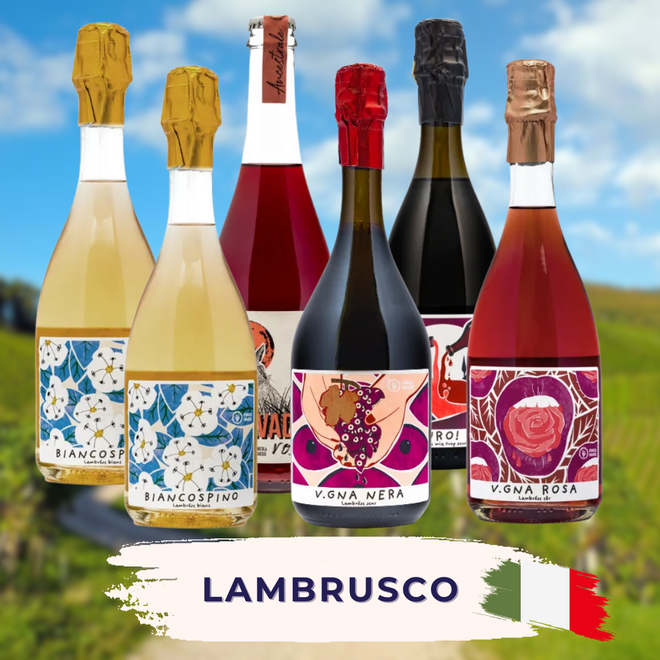
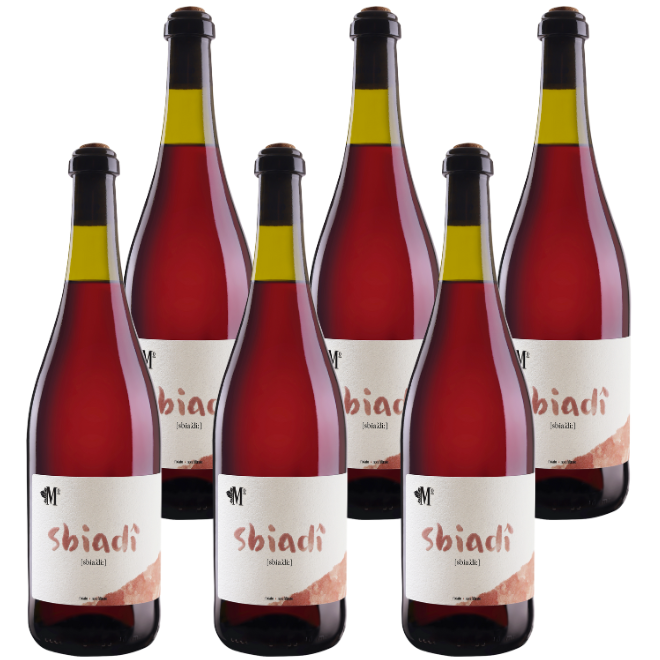
Lambrusco is the cheerful, lightly sparkling red wine from Emilia-Romagna, home of Parmigiano Reggiano, prosciutto and tortellini. Real Lambrusco is juicy, fresh and usually dry, very different from the sweet supermarket bottle many people know. On ONWINE you will find Lambrusco from Fattoria Moretto and Vitivinicola Fangareggi, from a dark Grasparossa di Castelvetro to a natural rosato pet-nat.
At ONWINE you buy Lambrusco directly from the winemaker, with no importer in between. You put together a case of six bottles per winemaker and pay €8 shipping per case.
What is Lambrusco?
Lambrusco is a lightly sparkling wine, frizzante in Italian, from the area around Modena and Reggio Emilia, reaching as far as Parma and Mantua in Lombardy. The name does not refer to one grape but to a whole family of native varieties that all carry the name Lambrusco. Most Lambrusco is red, but there is also rosé and white Lambrusco.
The bubbles come from a second fermentation. For most Lambrusco this happens in a sealed tank, the Charmat method, which keeps the fresh fruit in front. More and more small winemakers are returning to the old way: refermentation in the bottle, with the sediment left in the wine. That gives a dry, slightly rustic and very authentic Lambrusco. It usually has 10.5 to 11.5 percent alcohol, so it is light and easy to drink.
Is Lambrusco sweet?
No, most good Lambrusco is dry. Its sweet reputation comes from the mass production of the seventies and eighties, when cheap, sweet Lambrusco flooded export markets. In Emilia itself people mostly drink dry Lambrusco with food. The label tells you exactly what to expect:
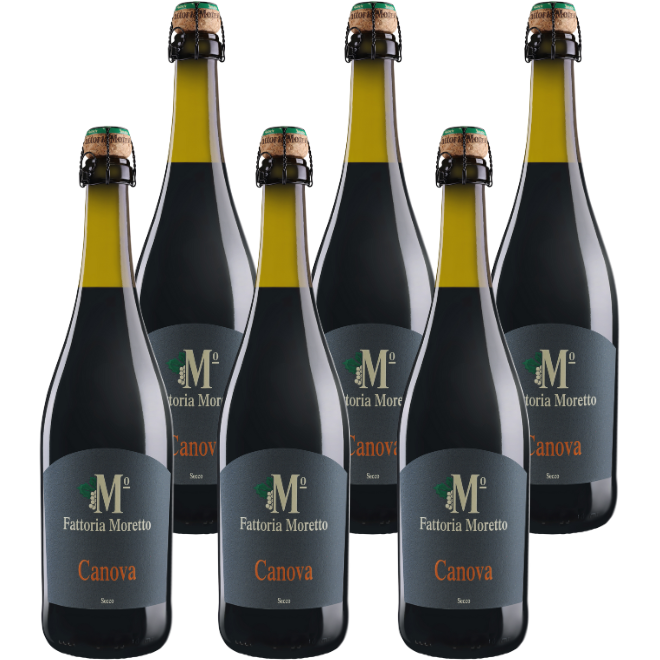
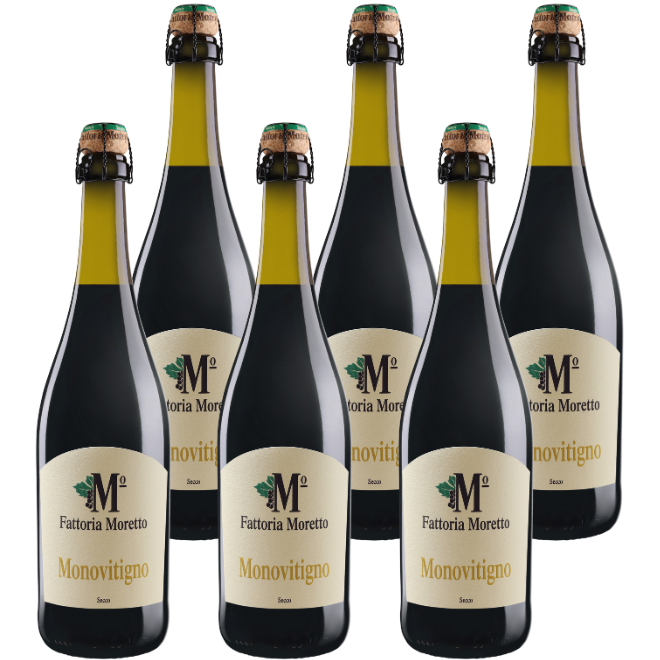
Secco is dry, with fresh acidity and juicy red fruit. Semisecco is off dry, with a light touch of sweetness. Amabile means gently sweet and dolce is properly sweet. If you want a dry red Lambrusco, choose secco. View all dry Lambrusco →
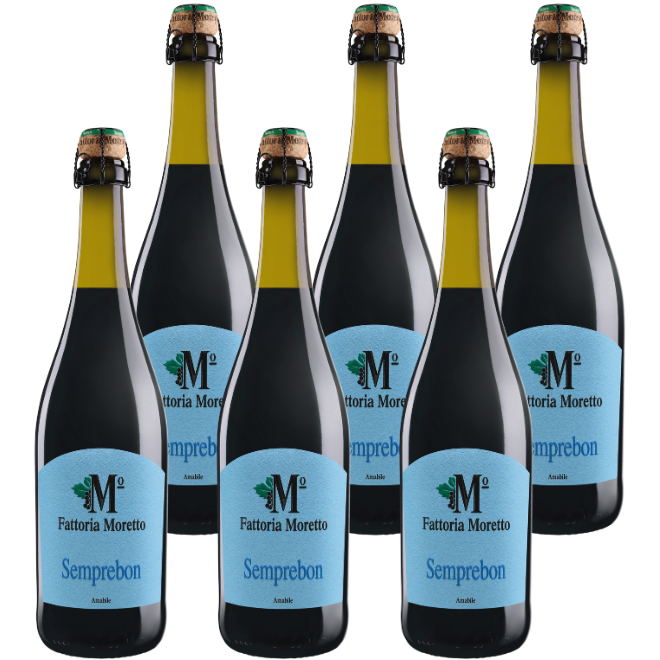
An amabile is not necessarily less serious: the delicate sweetness makes the wine round and soft, as in the 'Semprebon' Grasparossa Amabile from Fattoria Moretto. Lovely with spicy salumi or a cheese board. View the amabile →
The main Lambrusco grapes and appellations
Lambrusco Grasparossa di Castelvetro
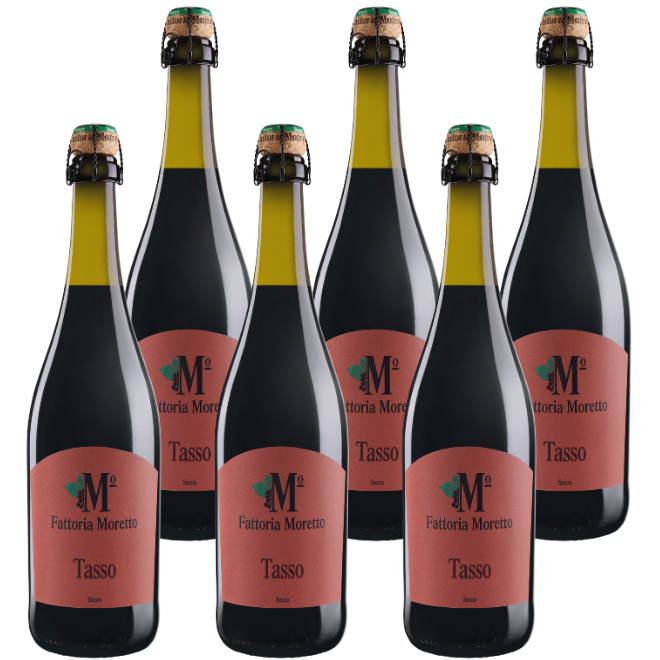
The darkest and most robust Lambrusco, from the hills south of Modena around Castelvetro. It must contain at least 85 percent Grasparossa. Deep purple red, with blackberry, cherry and light tannin that suits rich, savoury food. The 'Tasso' from Fattoria Moretto is a fine example. View all Grasparossa →
Lambrusco di Sorbara
The lightest and most elegant style, from the plain north of Modena. Pale ruby or almost pink, with high acidity, aromas of violet and strawberry and a dry, refreshing finish.
Lambrusco Salamino di Santa Croce
Named after its bunch, shaped like a small salami. In colour and power Salamino sits between Sorbara and Grasparossa: juicy, cherry fruited and well balanced.
Lambrusco Emilia IGT and Reggiano
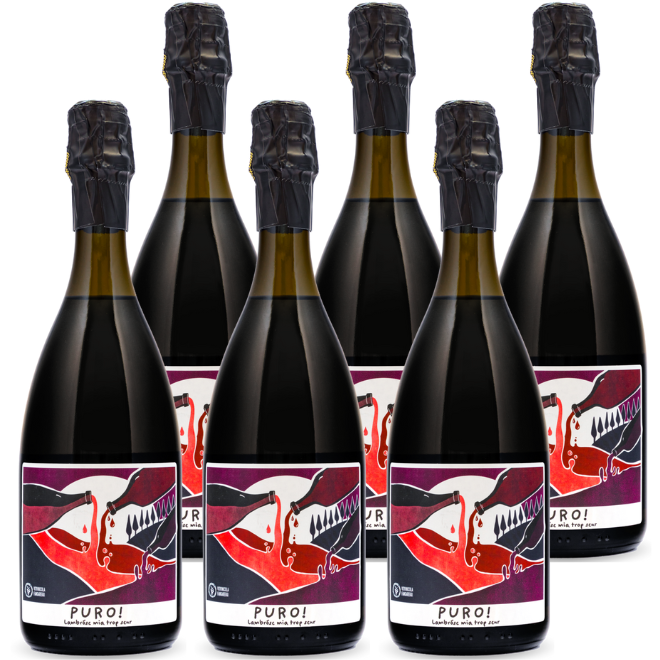
Under the broader names Emilia IGT, Lambrusco di Modena and Reggiano, winemakers often blend several Lambrusco grapes, sometimes with Ancellotta for extra colour. That gives them more freedom, as with the 'PURO!' Lambrusco Rosso Emilia from Vitivinicola Fangareggi.
Red, white and rosé Lambrusco
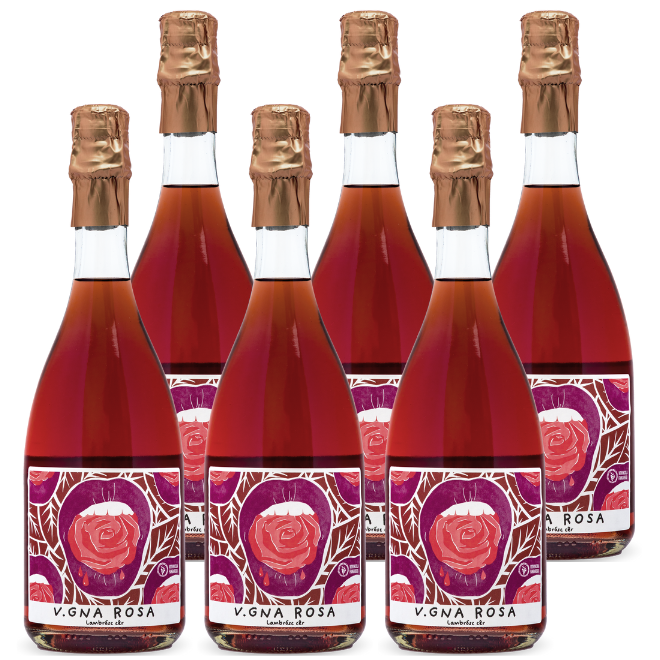
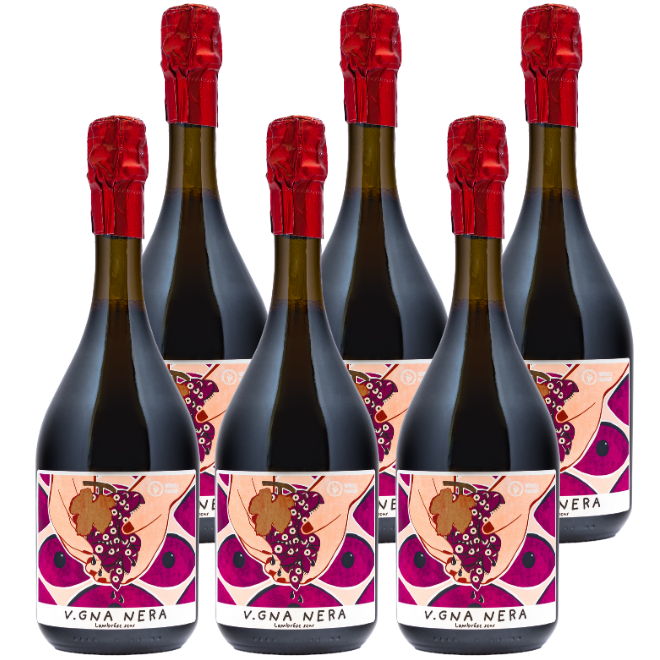
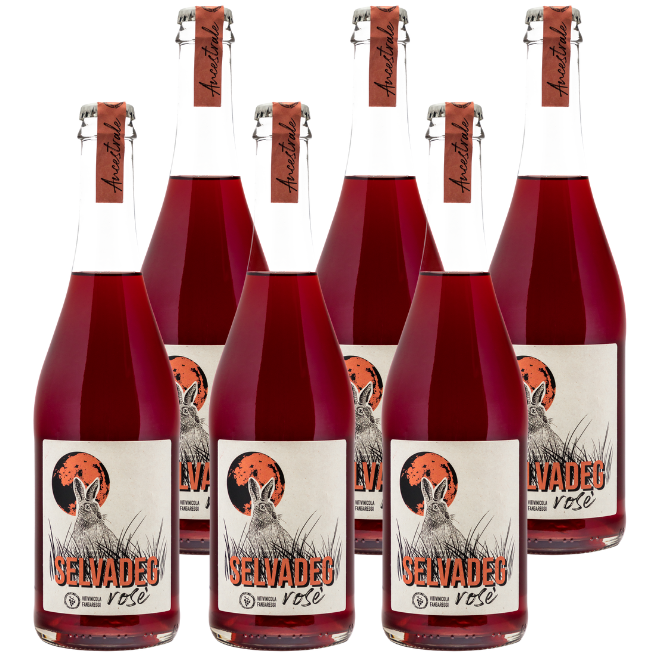
Red Lambrusco is the classic, from light and cherry fresh to deep and sturdy. Lambrusco rosato is made by leaving the juice on the skins only briefly: fresh, light and ideal as an aperitif. As a pet-nat or metodo ancestrale, like the 'Selvadeg' from Vitivinicola Fangareggi, it is natural, cloudy and a little wild. View the rosato →
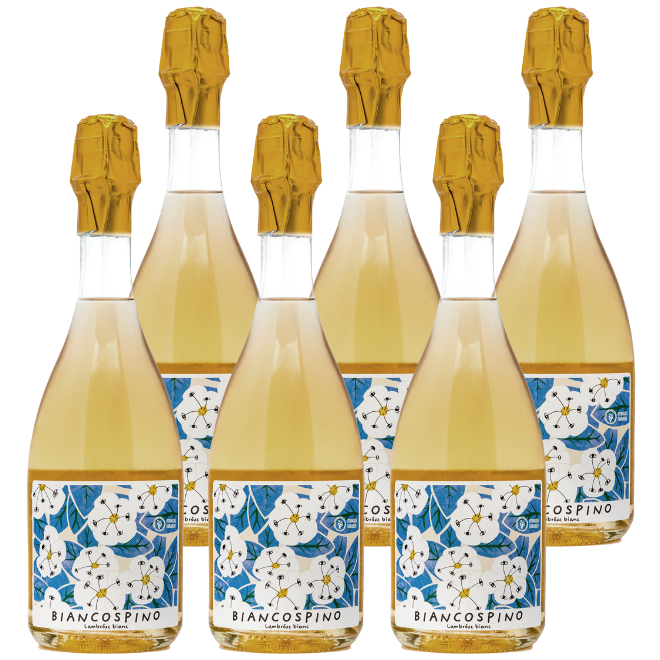
White Lambrusco, Lambrusco bianco, is usually made from the dark Lambrusco grapes by pressing them straight away, without the skins, so the juice stays pale. Besides the sparkling versions, some winemakers also make a still red Lambrusco.
Serving Lambrusco: temperature and glass
Drink Lambrusco cool, at 10 to 12 degrees, so give the bottle an hour in the fridge. A sturdy Grasparossa can be a little warmer, up to 14 degrees, a rosato or Sorbara a little colder. Use an ordinary wine glass or, as in Emilia, a simple tumbler. Lambrusco is a wine to drink young, within one to two years, while the fruit is at its freshest. Store bottles cool and dark.
What food goes with Lambrusco?
Lambrusco belongs to the cuisine of Emilia. Its fresh acidity and bubbles cut through the fat of prosciutto di Parma, mortadella, salame and culatello, and through the saltiness of Parmigiano Reggiano. Classic matches are tortellini in brodo, lasagne, tagliatelle al ragù and winter zampone with lentils.
Beyond Italy it is just as versatile: pizza, burgers, barbecue, spare ribs and even spicy Asian dishes. An amabile works with chocolate or red fruit. For more Italian bubbles, see Prosecco or all sparkling wines, and for still wines from the same table, explore Italian red wines.
Frequently asked questions about Lambrusco
What kind of wine is Lambrusco?
Lambrusco is a lightly sparkling wine from Emilia-Romagna, around Modena and Reggio Emilia. It is made from a family of native grapes that all carry the name Lambrusco, such as Grasparossa, Sorbara and Salamino. It is usually red, juicy and dry, with cherry and red fruit, but rosé and white Lambrusco exist too.
Is Lambrusco sweet?
Not necessarily: most good Lambrusco is dry. The label shows the style. Secco is dry, semisecco off dry, amabile gently sweet and dolce sweet. The sweet image comes from cheap export wine of the seventies and eighties. In Emilia people mostly drink dry Lambrusco with their food.
Is Lambrusco red or white?
Lambrusco is usually red, but rosé and white Lambrusco exist too. White Lambrusco, Lambrusco bianco, is often made from the same dark grapes, pressed straight away without the skins. Rosato gets brief skin contact. Red Lambrusco ranges from light and cherry fresh in Sorbara to deep and sturdy in Grasparossa.
Should you chill Lambrusco?
Yes, Lambrusco is best served cool, at 10 to 12 degrees. Give the bottle about an hour in the fridge. A sturdy Grasparossa can be a little warmer, up to 14 degrees, a light Sorbara or rosato a little colder. Chilling keeps the bubbles and fresh acidity nicely balanced with the fruit.
What is Lambrusco Grasparossa?
Grasparossa is the darkest and sturdiest Lambrusco grape. Lambrusco Grasparossa di Castelvetro comes from the hills south of Modena and contains at least 85 percent of this grape. The wine is deep purple red, with blackberry, cherry and light tannin, and is perfect with salumi, lasagne and ragù dishes.
What does amabile mean on Lambrusco?
Amabile means gently sweet. A Lambrusco amabile has noticeable residual sugar but is less sweet than a dolce. The sweetness makes the wine round and juicy, while the bubbles and acidity keep it fresh. It pairs well with spicy salumi, blue cheese, chocolate and desserts with red fruit.
How much alcohol is in Lambrusco?
Lambrusco usually has between 10.5 and 11.5 percent alcohol, less than most still red wines. Sweeter styles such as amabile and dolce are often a little lower, because part of the sugar has not fermented into alcohol. That makes Lambrusco a light, fresh red that is easy to enjoy over a long meal.
What food goes with Lambrusco?
Lambrusco matches the cuisine of Emilia: prosciutto di Parma, mortadella, salame, Parmigiano Reggiano, tortellini, lasagne and tagliatelle al ragù. Its fresh acidity and bubbles cut through fat and salt. It also works with pizza, burgers, barbecue and spicy Asian dishes. An amabile suits chocolate and red fruit.
How long can you keep Lambrusco?
Lambrusco is a wine to drink young, ideally within one to two years of the harvest, while the fruit and bubbles are at their freshest. Store bottles cool and dark. A Lambrusco refermented in the bottle can last a little longer. An opened bottle keeps for about a day with a stopper.
What does shipping cost?
You order a case of six bottles per winemaker, mixed as you like. Shipping is €8 per case and the wine comes straight from the winemaker to you.



 Grasparossa
 Dry
 Pet-Nat
 Amabile