Rotgipfler at a glance Grape: white, an Austrian specialityOrigin: Thermenregion, around GumpoldskirchenStyle: from fresh and elegant to full and oak-agedFlavour: apple, pear, spice and often tropical fruitServing: 10 to 12 degrees CelsiusPairs with: asparagus, fish, poultry, veal and cheeseKeeping: full Rotgipfler can age for yearsWhat is the Rotgipfler grape? Rotgipfler is a white grape from Austria. It grows on around 110 hectares, about 0.2 percent of all Austrian vineyards, almost exclusively in the Thermenregion in Lower Austria. That makes Rotgipfler a true rarity. The name refers to the reddish tips of the vine's young shoots: 'rot' means red and 'Gipfel' means top. The grapes themselves are white. Genetic research suggests Rotgipfler most likely arose from a chance cross between Traminer and Roter Veltliner.
Where does Rotgipfler grow? The heart of Rotgipfler is the Thermenregion, which stretches from the southern edge of Vienna along the Vienna Woods to beyond Baden. Its best-known wine village is Gumpoldskirchen. Rotgipfler is also grown around Baden, Pfaffstätten, Traiskirchen and Perchtoldsdorf.
What does Rotgipfler taste like? Rotgipfler wine is full and aromatic, rich in extract and often golden in colour. On the nose and palate you find apple, pear and spice, sometimes with a hint reminiscent of Grüner Veltliner. Ripe Rotgipfler can show tropical fruit. With oak ageing, the wine becomes creamy and powerful, with hints of vanilla.
Rotgipfler and Zierfandler Rotgipfler is often mentioned in the same breath as Zierfandler, also called Spätrot, the other white speciality of the Thermenregion. Together they make the classic blend Spätrot-Rotgipfler, a full and complex white wine. Rotgipfler is the fuller and warmer of the two, with softer acidity. Zierfandler holds on to its fresh acidity better, even when the grapes are fully ripe. That is why the two complement each other so well. Until the mid-1970s, such wines were sold under the name Gumpoldskirchner. Want to taste Zierfandler? Try the Zierfandel Ried Hofbreite Gumpoldskirchen from Weingut Leo Aumann.
Which Rotgipfler wines are there? Rotgipfler is made in two broad styles: fresh and elegant, or full and oak-aged. The grape is also one half of the blend Spätrot-Rotgipfler.
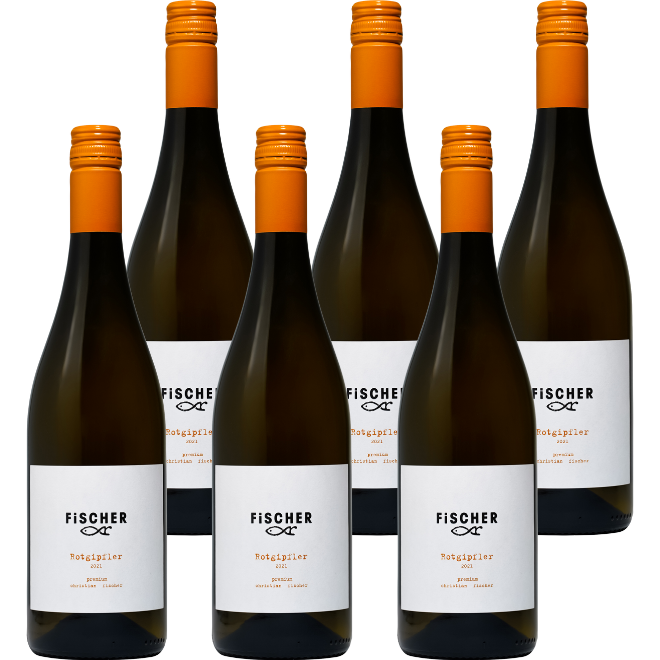
Fresh and elegant In this style the wine is fermented in stainless steel, which keeps the fruit and freshness in front, with no influence from oak. The organic Rotgipfler Classic BIO DAC Thermenregion from Weingut Fischer comes from 36-year-old vines. It is powerful and fresh, with citrus, fine fruit and a surprisingly long finish.
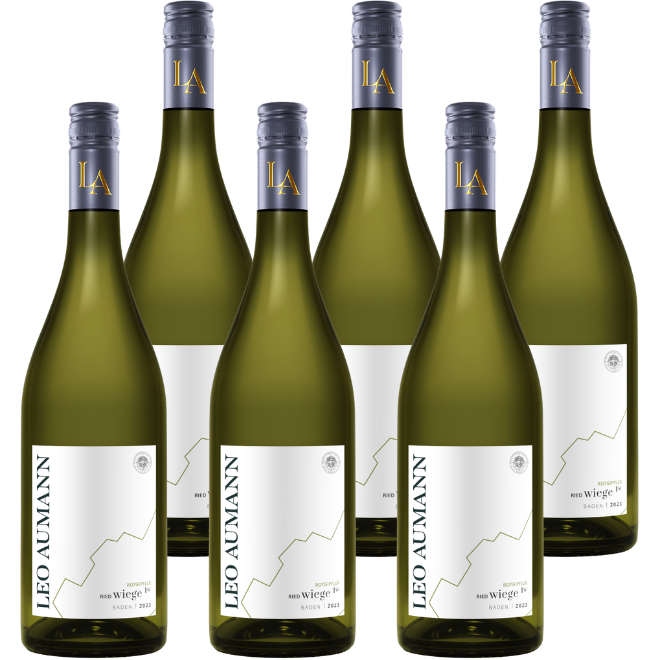
Full and oak-aged In this style the wine ages in wooden casks. This makes it creamier and more powerful and shows off Rotgipfler's full structure. The organic Rotgipfler Ried Wiege 1ÖTW from Weingut Leo Aumann comes from the Ried Wiege vineyard near Baden. It ferments spontaneously and ages for 12 months in 500-litre wooden casks. The result is a full, creamy Rotgipfler with tropical fruit, vanilla and a long finish. 1ÖTW stands for an Erste Lage, a top vineyard classified by the Österreichische Traditionsweingüter.
What food goes with Rotgipfler? Fresh Rotgipfler goes with grilled asparagus, white fish, pan-fried trout and summer salads with goat's cheese, as well as Asian dishes with ginger and lime. Full, oak-aged Rotgipfler goes with poultry, veal, pasta with cream sauce and cheese.
Where to buy Rotgipfler At ONWINE you buy wine directly from the winemaker, and on our winemakers page you can read who is behind each wine. Shipping is free from 12 bottles from the same winemaker. Like Austrian white wine with character? Then also try our Grüner Veltliner or browse all our Austrian white wine .
View Austrian white wine →
Frequently asked questions about Rotgipfler Is Rotgipfler a white or red wine? Rotgipfler is a white wine. Only the tips of the young shoots are reddish; the grapes themselves are white.
What is Spätrot-Rotgipfler? Spätrot-Rotgipfler is a blend of Zierfandler (Spätrot) and Rotgipfler, a classic speciality of the Thermenregion around Gumpoldskirchen.
What is the difference between Rotgipfler and Grüner Veltliner? Grüner Veltliner is usually fresher and lighter, with green apple and white pepper. Rotgipfler is fuller, richer in extract, more golden in colour and shows apple, pear and spice.
At what temperature should you serve Rotgipfler? Serve Rotgipfler at 10 to 12 degrees Celsius, slightly less cold than a light white wine, so the aromas can open up.
How long can you keep Rotgipfler? Fresh Rotgipfler is best drunk within a few years. Full, oak-aged Rotgipfler can often age for years. Store the bottles lying down, in a cool, dark place.