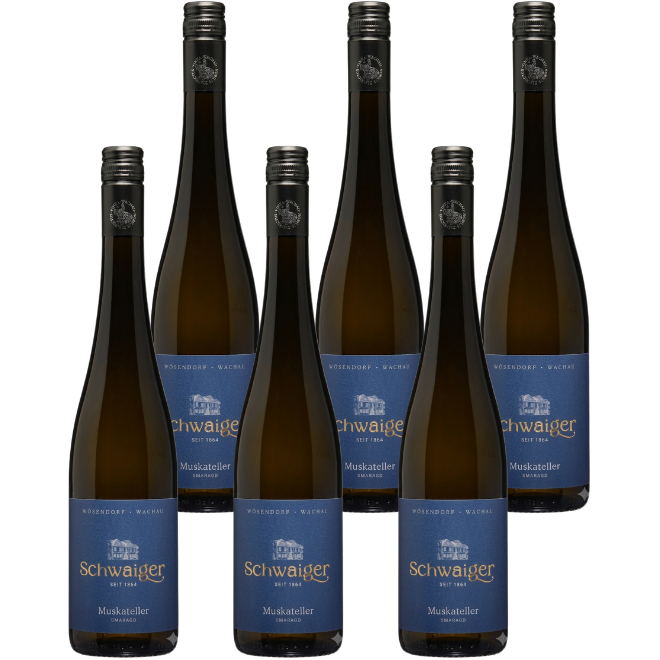
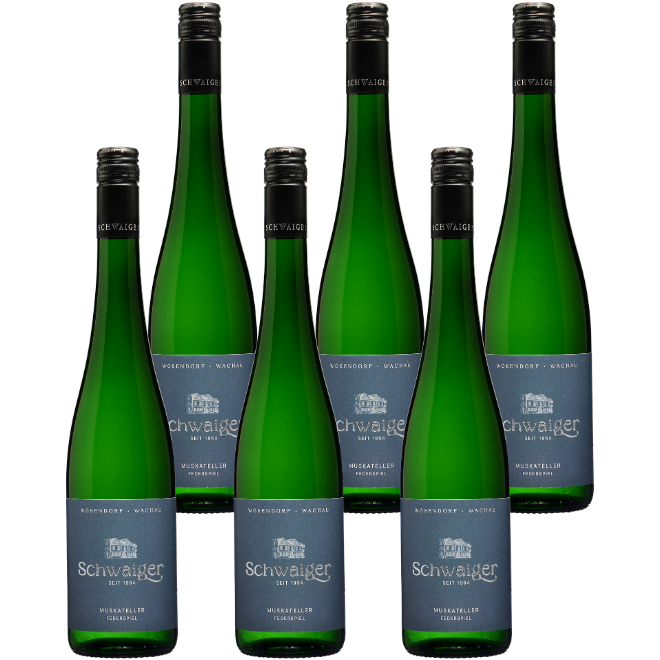
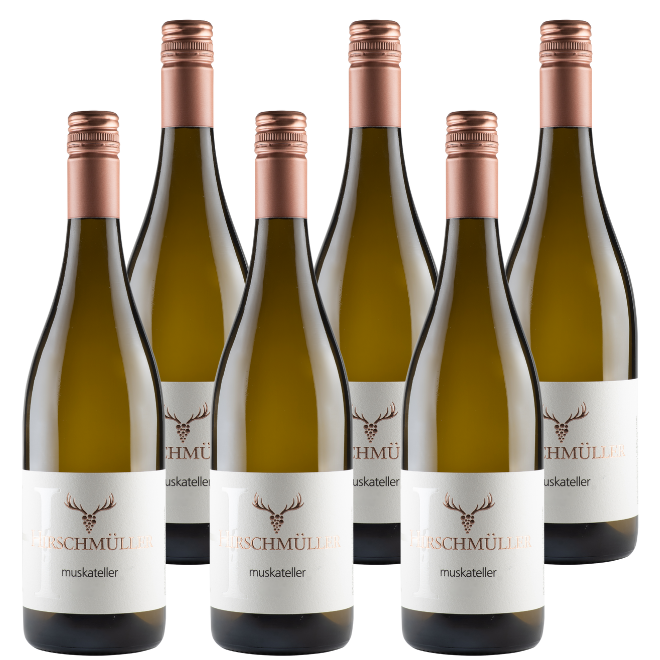
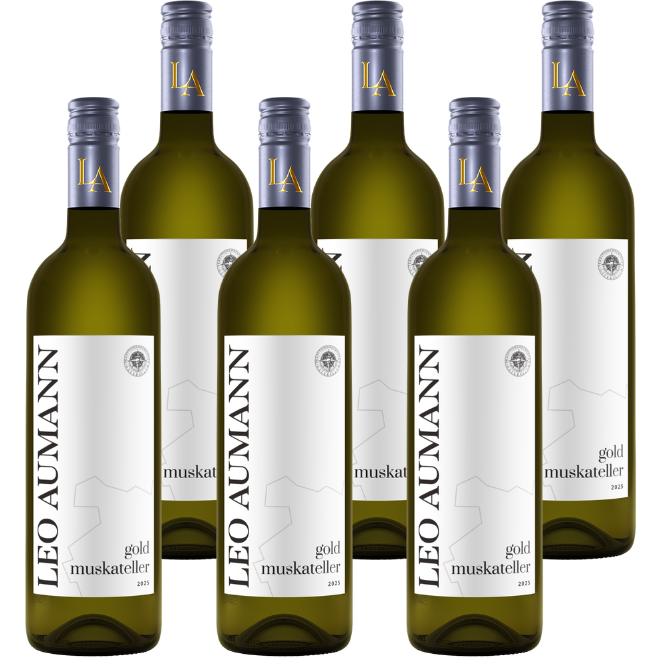
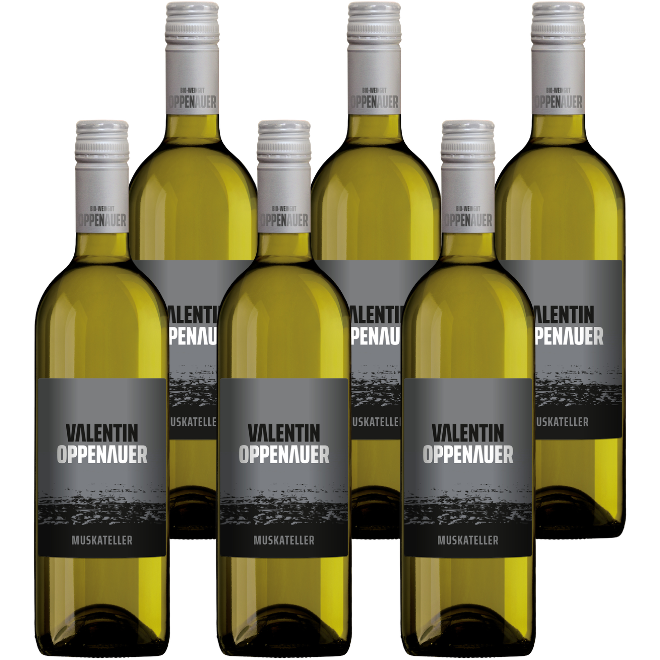
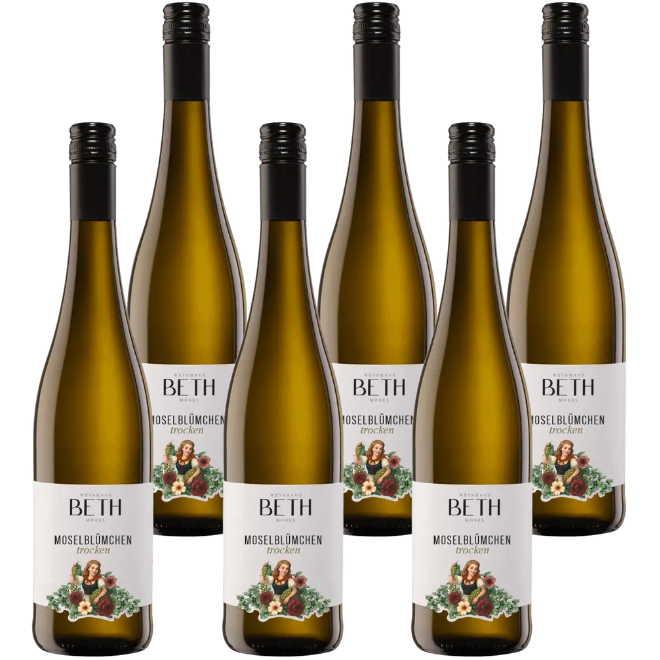
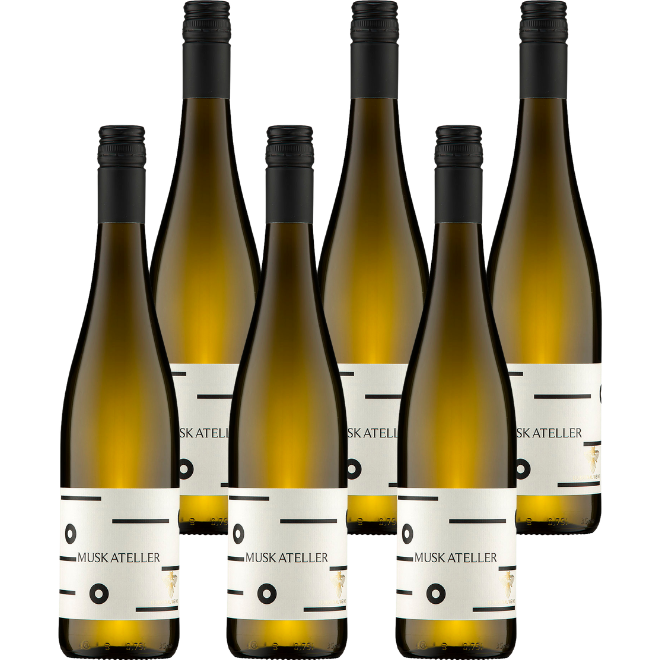
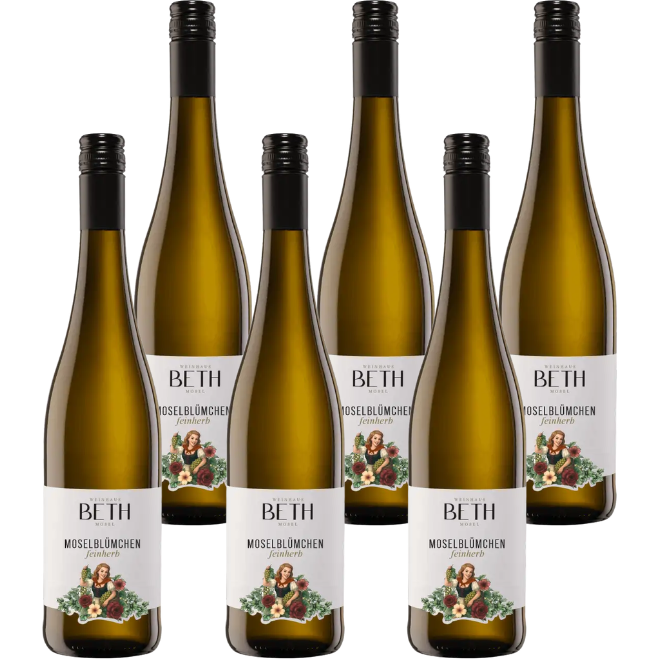
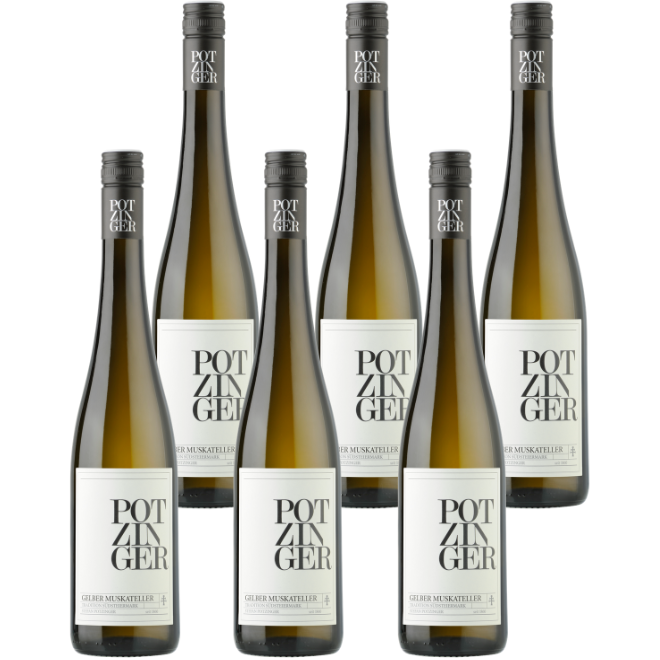
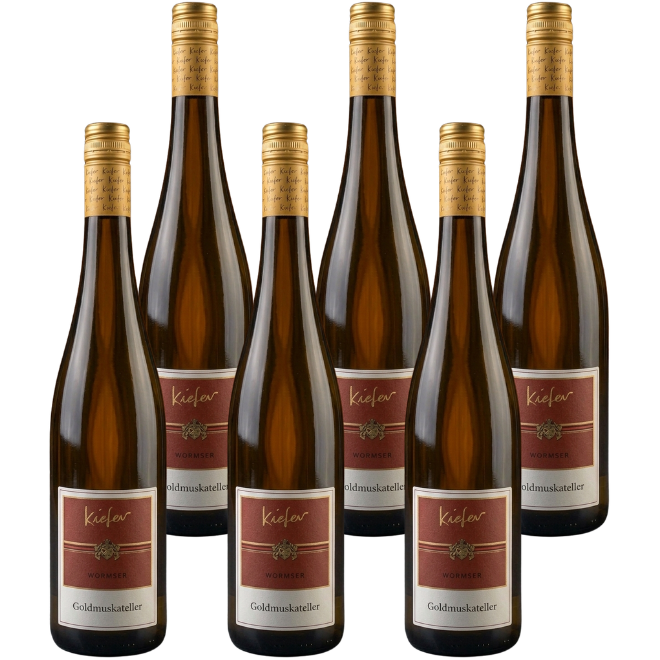
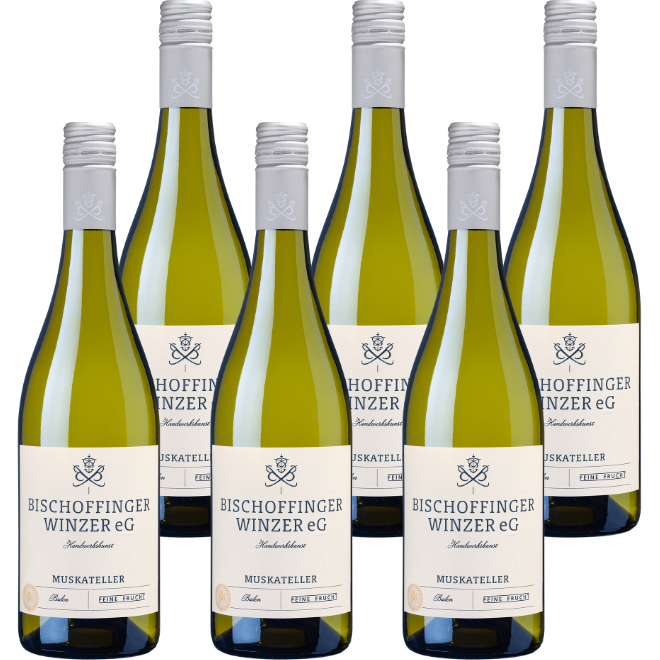
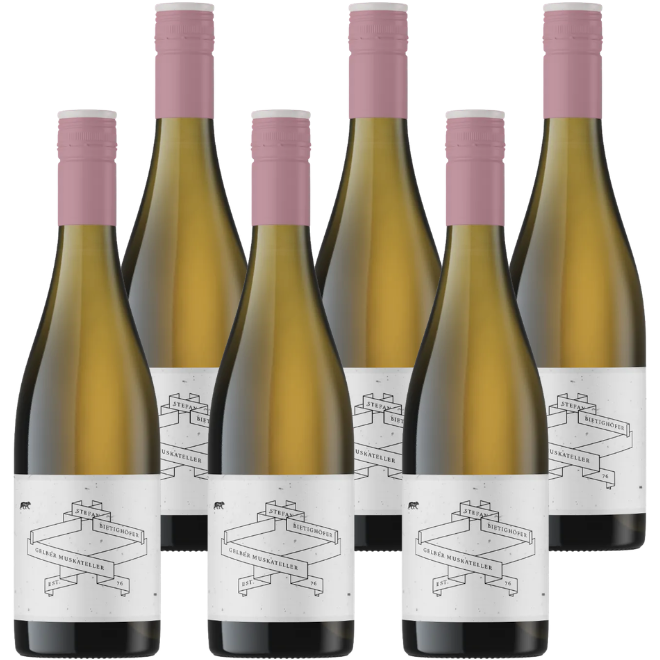
Muskateller at a glance Grape: white, internationally known as Muscat blanc à petits grainsAlso called: Gelber Muskateller, Muskat, Muscat, MoscatoKnown from: Austria, Germany, France and ItalyFlavour: grapey, elderflower, nutmeg, citrus and peachStyle: from dry to sweet, also sparklingServing: 8 to 10 degrees CelsiusPairs with: aperitif, asparagus, Asian dishes, cheese and fruit dessertsWhat is Muskateller? Muskateller is the German and Austrian name for the Muscat grape. It almost always refers to Muscat blanc à petits grains, the 'white Muscat with small berries', usually called Gelber Muskateller in German-speaking countries. It is one of the oldest grape varieties in Europe. Its hallmark is an intense, grapey aroma: Muskateller is one of the few wines that really tastes of the grape itself. In everyday speech it is often simply called Muskat, Muscat or Muscat wine.
Where does Muskateller grow? Muskateller grows across much of Europe, and each country makes its own style. In Austria the grape mainly makes fresh, dry wines, with Styria as its best-known region. In Germany Muskateller is made both dry and with gentle residual sweetness, in regions including the Pfalz, Baden and Württemberg. In France you find it as dry Muscat d'Alsace and as sweet Muscat de Beaumes-de-Venise from the south. Italy knows the grape as Moscato Bianco, famous for the lightly sparkling Moscato d'Asti, and in Greece the sweet Muscat of Samos is renowned.
What does Muskateller taste like? Muskateller wine is highly aromatic. On the nose you find fresh grapes, elderflower, nutmeg and citrus, sometimes with peach or exotic fruit. What surprises many people: a dry Muskateller smells sweet but tastes fresh and dry, with lively acidity. In sweeter Muskateller the fruit comes even further forward, with notes of ripe peach, apricot and honey.
Dry or sweet: which Muskateller wines are there? Muskateller is one of the most versatile grapes. The same grape makes fresh dry wines, gently sweet wines, sparkling wines and rich dessert wines.
Dry and fresh Dry Muskateller is light, fresh and aromatic, a classic aperitif wine. On German labels you recognise it by the word trocken. The wine combines its fragrant, grapey aroma with a crisp, fresh finish.
Off-dry: feinherb and lieblich With gentle residual sweetness, Muskateller becomes round and fruity, while the fresh acidity keeps the wine in balance. On German labels you then see feinherb (lightly sweet), feinfruchtig or lieblich (a little sweeter). This style is popular as a summer wine and with lightly spicy dishes.
Sparkling Thanks to its fresh, aromatic character, Muskateller is ideal for sparkling wine. In Italy that means the lightly sparkling, sweet Moscato d'Asti, while in Germany and Austria the grape is made into Sekt and Secco.
Sweet dessert wine Ripe or dried Muskateller grapes also make rich, sweet dessert wines, such as Muscat de Beaumes-de-Venise from southern France and Muscat of Samos from Greece. They are luscious and honeyed, yet keep the typical grapey aroma.
Gelber Muskateller, Goldmuskateller and Muskat-Ottonel Muskateller goes by many names. Gelber Muskateller is the usual name for Muscat blanc à petits grains. You will also see Goldmuskateller on labels. In South Tyrol and Trentino, Goldmuskateller is the name of Moscato Giallo, a separate Muscat variety related to Gelber Muskateller. Muskat-Ottonel is a different grape: it makes softer, less fresh wines and is grown in places including Austria's Burgenland and Alsace.
What food goes with Muskateller? Dry Muskateller makes a lovely aperitif and goes with asparagus, herb salads, sushi and Asian dishes with ginger or coriander. Off-dry Muskateller goes well with lightly spicy dishes, soft cheese and fruity salads. Sweet and sparkling Muskateller are ideal with fruit desserts such as peach or apricot tart, and with blue cheese.
Where to buy Muskateller At ONWINE you buy wine directly from the winemaker, and on our winemakers page you can read who is behind each wine. Shipping is free from 12 bottles from the same winemaker. Looking for more aromatic white wine? Then also browse our Austrian white wine and German white wine .
View all white wine →
Frequently asked questions about Muskateller Is Muskateller dry or sweet? Both. Muskateller is made dry, off-dry and sweet. On the label you can often tell the style from words such as trocken (dry), feinherb (lightly sweet) or lieblich (sweet). Because of its grapey aroma, even a dry Muskateller often smells sweet.
What is the difference between Muskateller and Morio-Muskat? Morio-Muskat is a different grape. Peter Morio bred it in 1928 in the Pfalz, according to the breeder from Silvaner and Pinot Blanc. The wine has a Muscat-like aroma but is not a true Muskateller. Morio-Muskat is grown mainly in the Pfalz and Rheinhessen.
Is Muskat-Trollinger a Muskateller? No. Muskat-Trollinger is a red grape, internationally known as Muscat of Hamburg. In Germany it grows almost only in Württemberg, where it is mostly made into rosé.
Is Muskateller the same as Moscato? It is the same grape: Moscato Bianco is the Italian name for Muscat blanc à petits grains. The style often differs, though. Italian Moscato is usually lightly sparkling and sweet, while Muskateller from Austria and Germany is often still and dry. Curious about Italian Moscato? Browse our Moscato wine .
At what temperature should you serve Muskateller? Serve dry and off-dry Muskateller well chilled, at 8 to 10 degrees Celsius, so it stays fresh and the aromas show nicely. Sweet Muskateller dessert wine can be a little colder, around 6 to 8 degrees.
How long can you keep Muskateller? Dry and off-dry Muskateller is best drunk young, within one to three years, when the aroma is at its freshest. Sweet dessert wines often keep longer. Store the bottles lying down, in a cool, dark place.