

Gijs van Opstal - 22 / Sep / 2026
Aragón Wine: The Hidden Wine Paradise of Northern Spain
Discover Aragón: Spain's wine region of old Garnacha vines, the Cierzo wind and the Matarraña river. Everything about the DOs, grapes, taste and food pairings.
Aragón Wine: The Hidden Wine Paradise of Northern Spain
What is Aragón as a wine region?
While Rioja and Priorat get all the attention, there's a wine region right in the middle of northern Spain with just as much character, yet far less well known: Aragón.
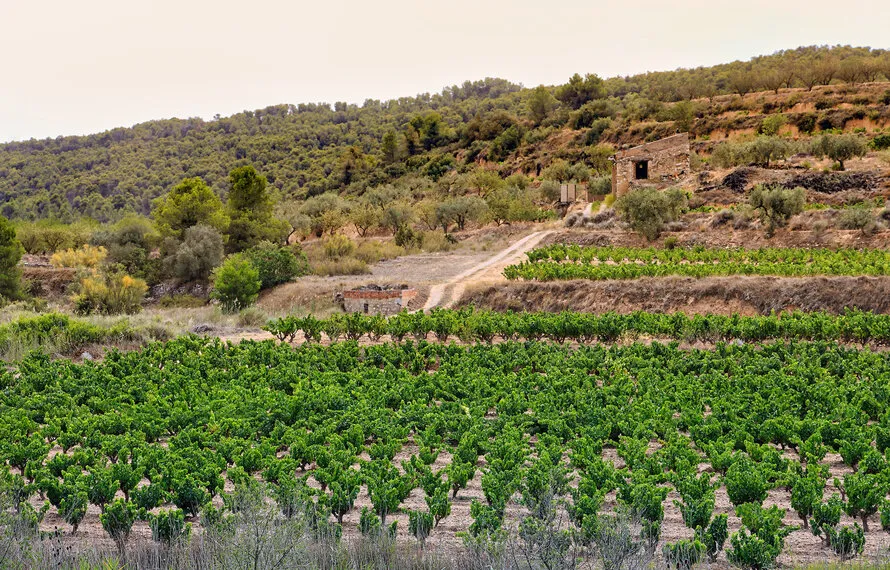
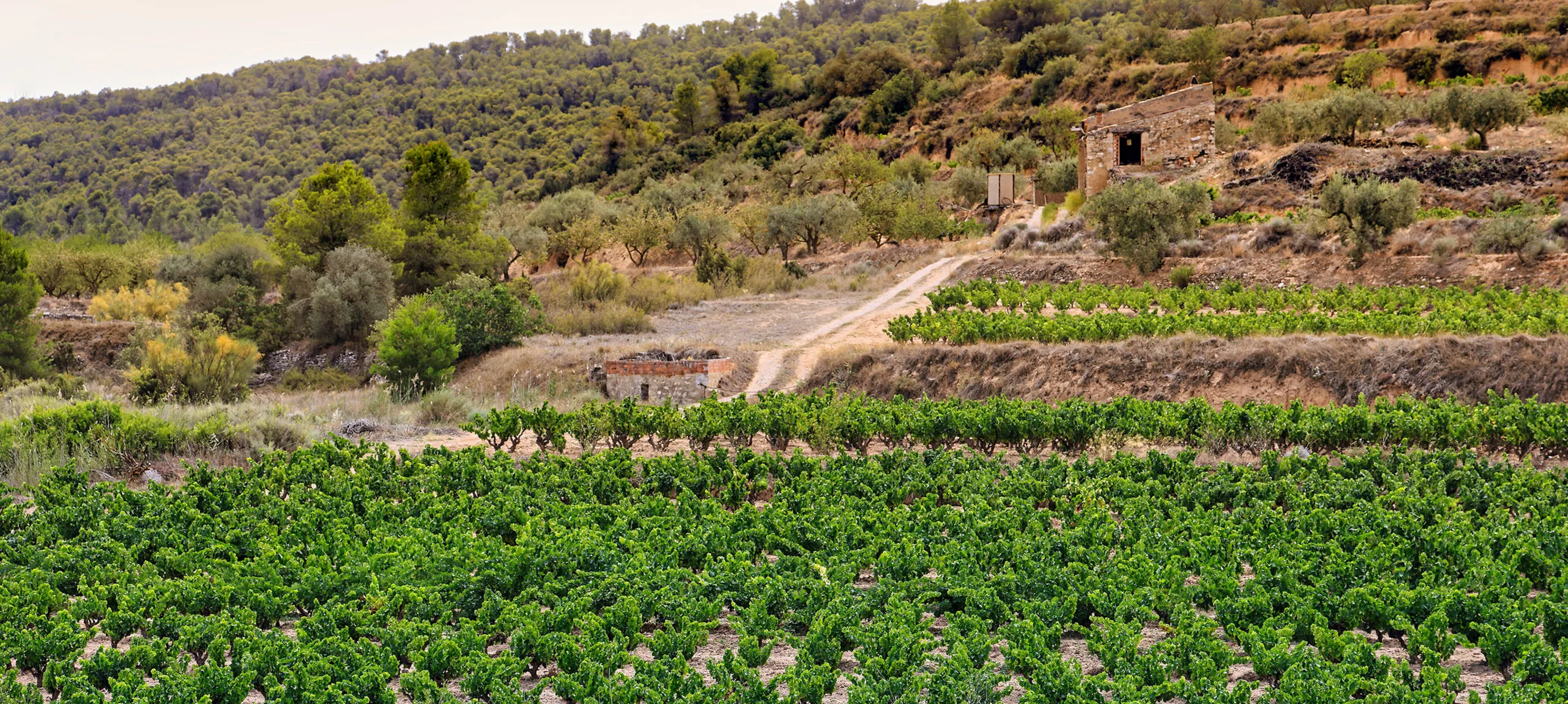
This landlocked region is cut through by the Ebro and its tributaries such as the Matarraña, the Jalón and the Huerva, and is shaped by hot, dry summers, cold winters and the Cierzo: a powerful, cold northwesterly wind that keeps the vineyards dry and healthy. The result is wine with both concentration and freshness, made from often decades-old, low-trained vines that need almost no irrigation.
Aragón has been wine country for centuries, but long stood in the shadow of the big names. In recent years, more and more small, independent winegrowers have put the region back on the map with honest, distinctive wines at a sharp price-quality ratio. Exactly the kind of story that fits ONWINE's Spanish wines.
The wine regions of Aragón
Aragón consists of four recognised Denominaciones de Origen and one protected regional designation, each with its own character:
| Region | Location | Known for |
|---|---|---|
| DO Somontano | Foot of the Pyrenees, Huesca province | Fresh, modern wines; many international grapes alongside local ones |
| DO Cariñena | Southwest of Zaragoza, Aragón's oldest DO (1932) | Powerful, robust red wines from old Garnacha and Cariñena vines |
| DO Campo de Borja | Around the Moncayo mountain, Zaragoza | Fruity, approachable Garnacha, often called 'the kingdom of Garnacha' |
| DO Calatayud | Southwest of Zaragoza, high, steep slopes | Mineral, high-altitude wines from century-old Garnacha on slate |
| Bajo Aragón (Vino de la Tierra) | East of the region, around the Matarraña and Algars rivers, bordering Catalonia | Small-scale, river-driven winemaking outside the major DOs |
It's in that last, less regulated area — around Nonaspe, where the Matarraña and the Algars meet — that you find some of Aragón's most personal wine stories. Want to explore more wine regions? Browse the full overview of our wine regions.
The grapes of Aragón
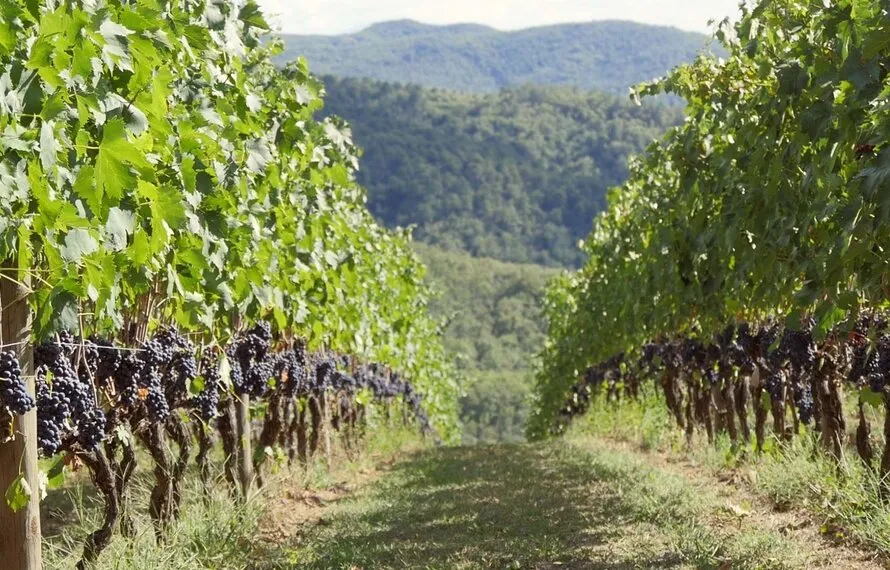
The undisputed star of Aragón is Garnacha (Grenache), especially old, low-trained vines that yield little but give a lot of flavour. You'll find both Garnacha Tinta (red, fruity and warm) and the rarer Garnacha Blanca (white, full and round). Cariñena — known elsewhere as Mazuelo or Carignan — also plays a major role: a grape with plenty of colour, tannin and acidity that gives Garnacha structure. Macabeo (also known as Viura) is often used for the white wines, and Tempranillo regularly appears in the red blends. You can taste that Viura style well, for example, in the 'El Prodigio' Viura from Bodegas Heras Cordón in Rioja.
More and more winegrowers in Aragón are combining these native grapes with international varieties such as Syrah, Cabernet Sauvignon and Merlot, resulting in layered blends with both Mediterranean fruit and a fresh, modern touch. You see exactly this mix in the Aragón winegrowers in our range: their red wines from Spain and white wines from Spain show just how broad the spectrum is. Curious how Garnacha tastes elsewhere? Read our story on the Rhône wine region, where the same grape forms the basis of the famous GSM blend.
Harvest Weeks discount: during the Harvest Weeks you get 15% off per case on the 'El Prodigio' Viura and on the Riojas from Bodegas Heras Cordón: Crianza, Reserva and Viura. See all Harvest Sale offers.
What does wine from Aragón taste like?
Red Aragón wines are typically warm and fruity: think ripe red berries, raspberry and cherry in young Garnacha, moving towards dried fruit, spice, bay leaf and a touch of leather in older vines and barrique-aged wines. The tannin is usually soft and round, with a pleasant spiciness in the background, similar to what you'll find in our story on tannins in wine. White and rosé wines from the region are, by contrast, fresh and direct, with citrus, stone fruit and a lively acidity that suits the warm climate the grapes grow in well.
Serving tips
- ✓ Lighter reds and rosé: 14-16°C
- ✓ White wines: 8-10°C
- ✓ Full-bodied, barrel-aged reds: let breathe or decant for an hour before serving
Want to keep a bottle longer? Also check out our tips on how best to store red wine.
What food pairs well with wine from Aragón?
Aragón's robust, fruity style lends itself perfectly to Spanish cuisine, but also to hearty dishes closer to home.
| Wine | Pairs well with |
|---|---|
| Young, fruity Garnacha | Tapas, chorizo, grilled vegetables |
| Powerful red blend (Garnacha/Syrah/Cabernet) | Lamb stew, grilled ribeye, mature cheeses |
| Cariñena-dominant wine | Game, duck breast, mushroom dishes |
| White Macabeo or Garnacha Blanca | Grilled fish, paella, fresh goat's cheese |
| Rosé | Light tapas, salads, summer barbecue |
Looking for more inspiration? Also check out our overview of the best wines to pair with cheese.
Buying Aragón wine: what to look for
- Age of the vines. Old, low-trained Garnacha (often 40 years or older) generally gives more depth and concentration than young plantings.
- Barrel ageing or not. 'Barrique' or 'crianza' on the label means more spice, rounder tannin and a longer finish; unoaked wines are fresh and fruity instead.
- Small-scale production. Family businesses that grow and vinify their own grapes tend to aim for character over volume — and you can taste it.
- Origin within Aragón. A DO designation (Somontano, Cariñena, Campo de Borja, Calatayud) says something about style and climate; wines from outside the DOs, such as from Bajo Aragón, can be just as surprising.
- Direct origin. Buy directly from the winegrower and you know exactly who made the wine and why — without middlemen. That's also exactly how ONWINE works, including through the wine subscription that brings new discoveries to your door every month.
Spotlight: winemaking on the river in Nonaspe
A great example of the small-scale, river-driven side of Aragón is Bodega Taberner Amado, run by friends Bernabé and Jordi on plots between the Matarraña and Algars rivers in Nonaspe, right on the border of Aragón and Catalonia. After a devastating flood in 2000, they rebuilt the vineyard sustainably, and today they grow and vinify their own Garnacha, Syrah, Cabernet Sauvignon and Merlot into wines that do justice to Nonaspe's river terroir. Their range, from the fresh 'Entre Dos Aguas' Blanco to the more powerful 'Entre Dos Aguas' Tinto Barrique, shows just how versatile a single Aragón vineyard can be.
Harvest Weeks discount: the wines from Bodega Taberner Amado are also in the Harvest Sale: enjoy 5% off per case on 'Entre Dos Aguas' Blanco, Blanco Barrique, Tinto and Tinto Barrique. See all Harvest Sale offers.
Discover other Spanish wine regions
Curious about the rest of Spain after Aragón? At ONWINE we also work with winegrowers from Rioja, such as Bodegas Heras Cordón, and from Priorat, such as Bodega Bravo Escós — two regions that, like Aragón, rely on old Garnacha vines but each have their own style. Further afield, you'll find entirely different Spanish wine regions, such as Bodega La Zorra in Castilla y León or DVagar Adegas in Ribeiro.
You'll find the full range among our Spanish wines, and if you'd rather bring home a selection right away, choose the Spain Tasting Pack or the Spain White Tasting Pack.
Want to read more regional stories like this? Feel free to browse our wine stories.
Frequently asked questions about Aragón wine
What makes wine from Aragón different from Rioja?
Rioja relies mainly on Tempranillo and extensive barrel ageing under strict rules (crianza, reserva, gran reserva); Aragón centres on Garnacha, often from very old vines, and has a more direct, fruitier and often more approachable style.
Is Aragón wine always big and high in alcohol?
Not necessarily. The warm climate does give ripe fruit, but the altitude in regions like Calatayud and the cooling effect of the Cierzo wind provide enough freshness and balance.
Which grape is most characteristic of Aragón?
Garnacha, especially old-vine Garnacha from Campo de Borja and Calatayud, is considered the region's flagship grape.
Can you also find white wine from Aragón?
Yes, although red dominates. White wines are usually made from Macabeo or Garnacha Blanca and are fresh and fruity.
What's the difference between a DO wine and a Vino de la Tierra from Bajo Aragón?
DO status imposes strict requirements on grapes, yield and production method; Vino de la Tierra gives winegrowers more freedom, which leaves room for personal, small-scale wines.
At what temperature should you serve a red Aragón wine?
Serve young, fruity Garnacha at around 14-16°C; more powerful, barrel-aged wines can be a little warmer, around 16-18°C.
Where can I buy authentic wine from Aragón?
Most directly through small winegrowers themselves. At ONWINE you order straight from producers such as Bodega Taberner Amado, without middlemen.