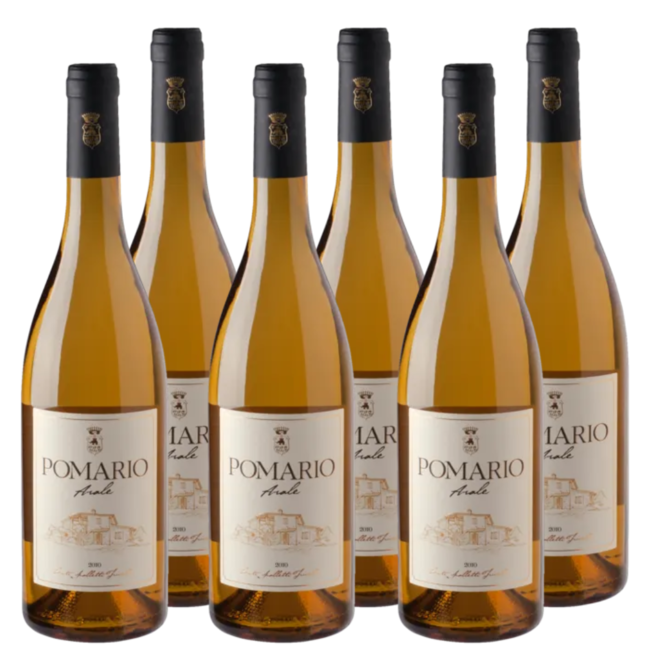
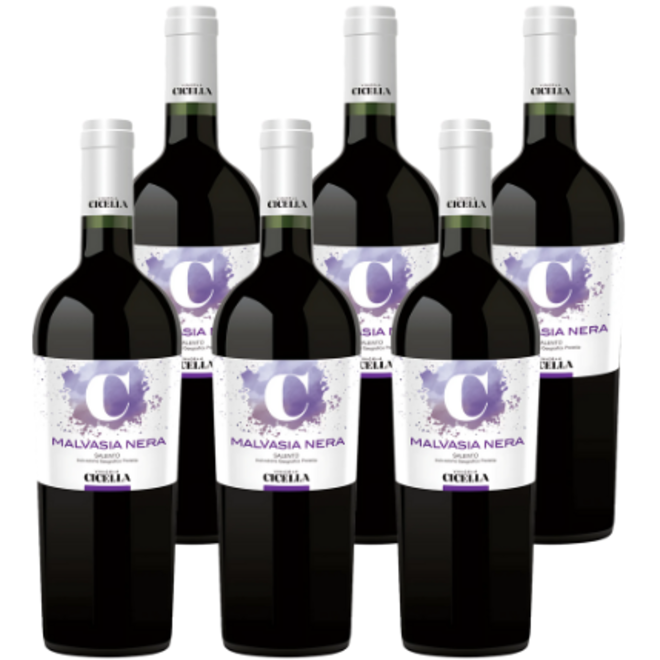
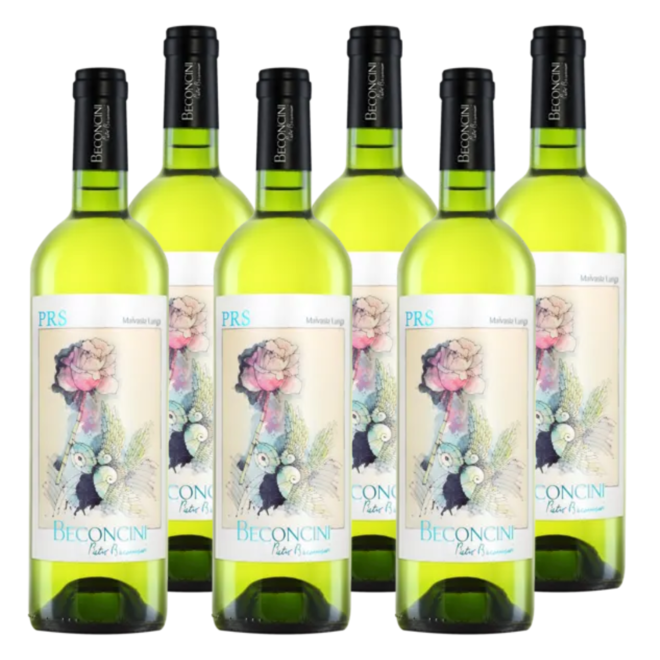
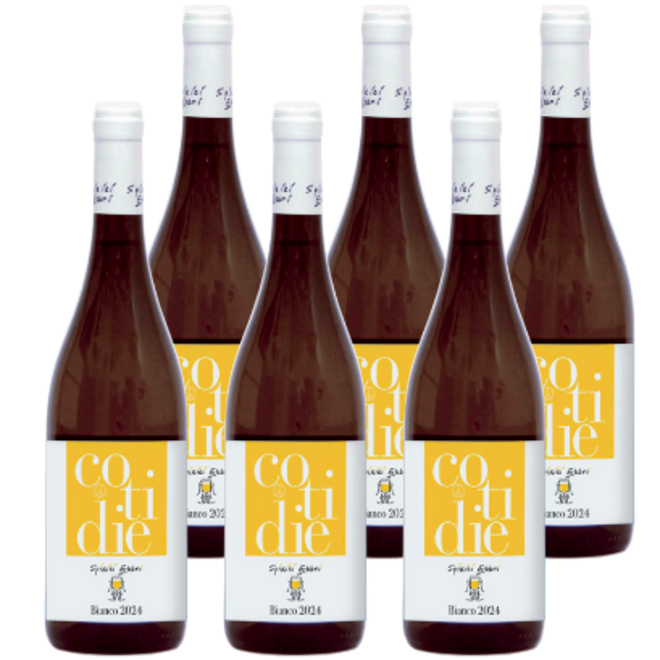
Buy Malvasia wine directly from the winemaker
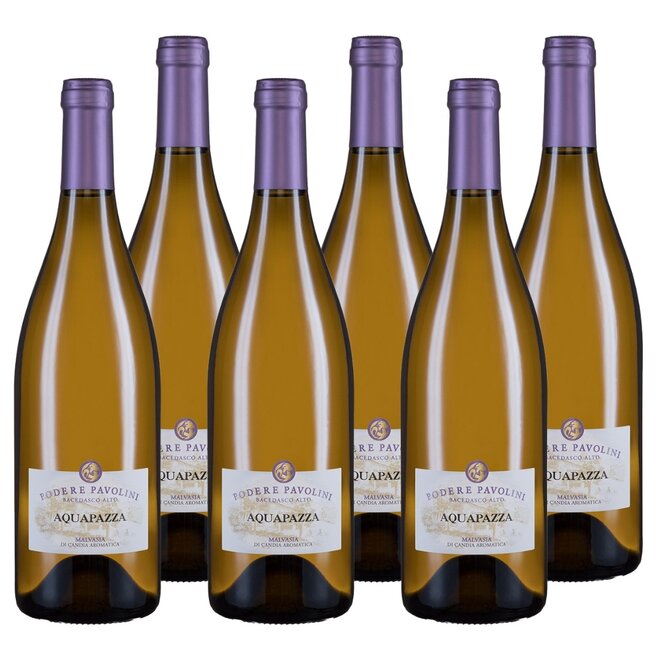
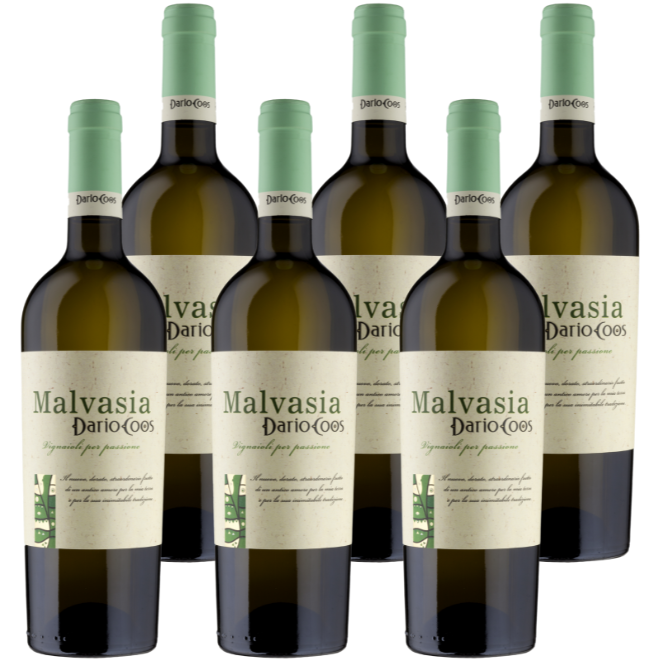
Malvasia is not a single grape but a whole family, spread around the Mediterranean for centuries. There are white and red varieties, and most share one thing: a rich, inviting scent of apricot, peach, blossom and sometimes muscat. Winemakers use Malvasia for dry white wine, soft red wine and sweet passito. On this page you will find Malvasia from winemakers such as Dario Coos in the northeast, Podere Pavolini in the Colli Piacentini, and Cosimo Vestita and Vinicola Cicella in Salento.
At ONWINE you buy Malvasia directly from the winemaker, with no importer in between. You put together a case of six bottles per winemaker and pay €8 shipping per case.
What is Malvasia? One name, a whole family of grapes
The name Malvasia goes back to Monemvasia, a port town in the Peloponnese. In the Middle Ages Venetian merchants shipped sweet wine from there all over Europe, and that wine became known as Malvasia, or Malmsey in English. Later, many grapes along the trade routes were given the same name.
DNA research shows that many Malvasia grapes are barely related, if at all. Malvasia Istriana, Malvasia di Candia, Malvasia Bianca Lunga and Malvasia Nera are distinct varieties, each with its own character. So the word Malvasia on a label tells you something about aroma and style, but always read on: the suffix and the region reveal which Malvasia you are holding.
Malvasia white wine and Malvasia Bianca
Malvasia Bianca is the umbrella name for the white Malvasias, and dry white is the style you will meet most often. A dry Malvasia white wine is aromatic but not sweet: you smell peach, apricot, orange blossom and herbs, and taste a soft, round wine with a gentle bitter note on the finish.
Malvasia Istriana
In northeast Italy, along the border with Slovenia and Croatian Istria, Malvasia Istriana grows. It makes taut, saline and mineral wines with notes of pear, almond and herbs. Some winemakers leave the juice on the skins for a while, producing a golden, more structured wine.
Malvasia di Candia and Malvasia from the south
Malvasia di Candia Aromatica from the Colli Piacentini is strikingly perfumed, almost like Muscat. In the south, for example in Salento, winemakers make a dry Malvasia Secca: ripe, sunny and soft. Malvasia is also blended, for instance with Chardonnay or Fiano, for extra aroma and freshness. View all dry Malvasia →
Malvasia red wine: Malvasia Nera
Malvasia Nera is the red branch of the family and is mostly at home in Puglia, as Malvasia Nera di Brindisi and Malvasia Nera di Lecce. In Salento it is the classic partner of Negroamaro, and it is also bottled together with Primitivo. On its own, Malvasia Nera makes a soft, juicy red wine with cherry, plum, violets and a spicy, slightly sweet scent. In a blend it adds roundness and perfume. In Tuscany, small amounts of Malvasia Nera were traditionally added to red wine as well. View Malvasia Nera →
Sweet Malvasia and passito
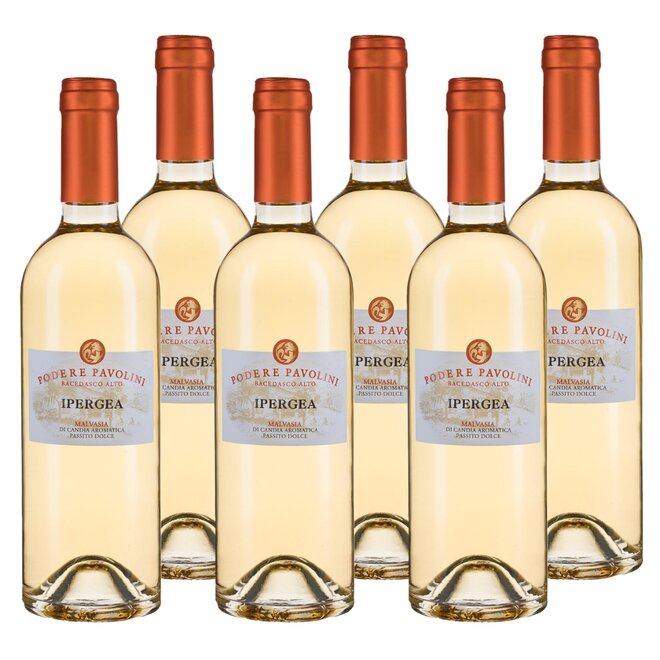
The oldest style of Malvasia is sweet. For a passito, winemakers dry the grapes after harvest on mats or in crates, concentrating sugar and aroma. In the Colli Piacentini this gives a passito of Malvasia di Candia Aromatica, such as the 'Ipergea' from Podere Pavolini. On the Aeolian Islands off Sicily, Malvasia delle Lipari is famous, both as passito and as fortified liquoroso.
In Tuscany and Umbria, Malvasia has traditionally been one of the grapes of Vin Santo, together with Trebbiano. Sweet Malvasia smells of honey, dried apricot, figs and orange peel, with enough acidity to stay fresh rather than cloying. View Malvasia passito →
Where does Malvasia wine come from?
Malvasia grows all over Italy. In Friuli in the northeast you find taut, mineral Malvasia Istriana. In Emilia-Romagna, around Piacenza, aromatic Malvasia di Candia is used for dry, lightly sparkling and sweet wines. In Tuscany and Umbria, Malvasia Bianca is mainly a blending partner and the base for Vin Santo. In the south, in Puglia, Calabria and Sicily, both white and red Malvasia ripen in full sun. Also explore all Italian white wines.
Malvasia outside Italy
You will meet the name outside Italy too. In Croatia and Slovenia the white grape is called Malvazija Istarska or Malvazija. On Madeira, Malmsey is the sweetest style of this fortified wine. In Spain, Malvasía grows on the Canary Islands and in Rioja, among other places, where it is sometimes blended with Viura. Greece, the birthplace of the name, still has several Malvasias of its own.
Serving Malvasia and food pairing
Serve dry white Malvasia at 9 to 11°C, Malvasia Nera lightly chilled at 14 to 16°C and passito at 10 to 12°C in a small glass. Most dry Malvasia is best within a few years of the vintage, while a skin contact Malvasia Istriana or a good passito can age much longer.
Dry white Malvasia goes well with antipasti, grilled fish, chicken, risotto and spicy dishes, including Asian food. Malvasia Nera is delicious with tomato based pasta, orecchiette, grilled meat and pizza. Serve a passito or Vin Santo with blue cheese, foie gras, cantucci or almond pastries.
Frequently asked questions about Malvasia
What is Malvasia wine?
Malvasia wine is made from a family of grapes grown around the Mediterranean for centuries. The name comes from the Greek port of Monemvasia. There are white and red Malvasias, often genetically unrelated, but they share a rich scent of apricot, peach and blossom. They make dry white, soft red and sweet wines.
What is Malvasia Bianca?
Malvasia Bianca is the umbrella name for the white Malvasia grapes, such as Malvasia Istriana, Malvasia di Candia and Malvasia Bianca Lunga. They make aromatic white wines with peach, apricot, orange blossom and herbs. Most are made dry, but the same grapes also give passito and Vin Santo. The region largely decides the style.
Is Malvasia a red or white wine?
Both. Most Malvasia is white, from grapes such as Malvasia Istriana and Malvasia di Candia. There is also a red variety, Malvasia Nera, grown mainly in Puglia, which gives soft, spicy red wine, often blended with Negroamaro or Primitivo. The word Nera on the label tells you that you are looking at a red Malvasia.
What is Malvasia Nera?
Malvasia Nera is the red Malvasia, mainly from Puglia, as Malvasia Nera di Brindisi and di Lecce. It gives soft, juicy red wine with cherry, plum, violets and spice. In Salento it is the classic blending partner of Negroamaro and is also paired with Primitivo. Great with pasta, pizza and grilled meat.
Is Malvasia sweet or dry?
Malvasia can be either. Most white and red Malvasia is dry, although its scent of peach and blossom can make it smell sweeter than it tastes. There are also sweet styles, such as passito from dried grapes, Malvasia delle Lipari from Sicily and Vin Santo from Tuscany. Look for passito or dolce on the label.
Where does Malvasia wine come from?
The name Malvasia comes from Greece, from the port of Monemvasia, but the grape grows all over Italy: Malvasia Istriana in Friuli, Malvasia di Candia around Piacenza, Malvasia Bianca in Tuscany and Umbria and Malvasia Nera in Puglia. Sicily, Croatia, Slovenia, Madeira and Spain also make wine from Malvasia.
What does Malvasia white wine taste like?
Dry white Malvasia smells of peach, apricot, orange blossom and herbs, and tastes soft and round with a gentle bitter note on the finish. Malvasia Istriana from the northeast is tauter and more saline, Malvasia di Candia strikingly aromatic, and southern Malvasia riper and fuller. Serve it at 9 to 11°C.
What food goes with Malvasia?
Dry white Malvasia goes well with antipasti, grilled fish, chicken, risotto and spicy or Asian dishes. Malvasia Nera is delicious with tomato based pasta, orecchiette, pizza and grilled meat. Serve a sweet passito or Vin Santo with blue cheese, foie gras, cantucci or almond pastries. That gives you a Malvasia for every course.
Is Malvazija the same as Malvasia?
Yes, Malvazija is the Croatian and Slovenian name for Malvasia, and Malmsey is the old English one. In Istria and Slovenia it usually means Malvasia Istriana, the grape also widely grown in Italian Friuli. It makes taut, saline and herbal white wines, sometimes with skin contact for a golden, more structured style.
What does shipping cost?
You order a case of six bottles per winemaker, mixed as you like. Shipping is €8 per case and the wine comes straight from the winemaker to you.


 Dry
 Salento
 Red
 Passito