Buy Champagne directly from the winemaker
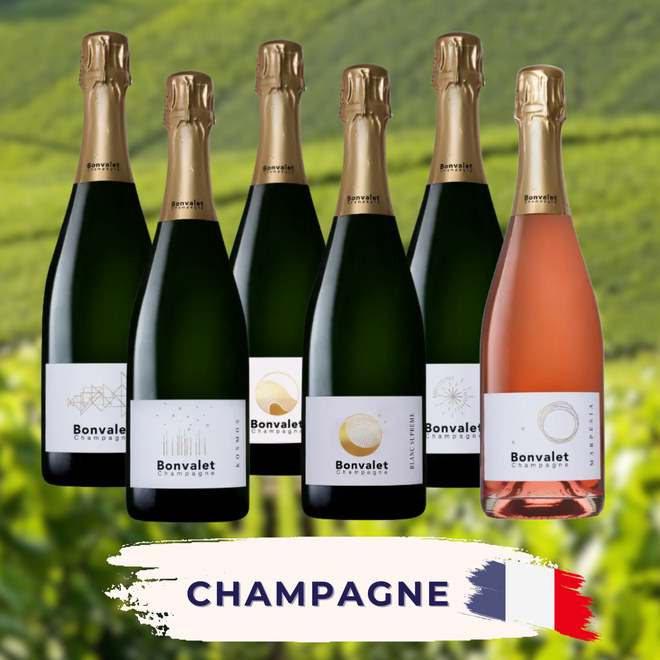
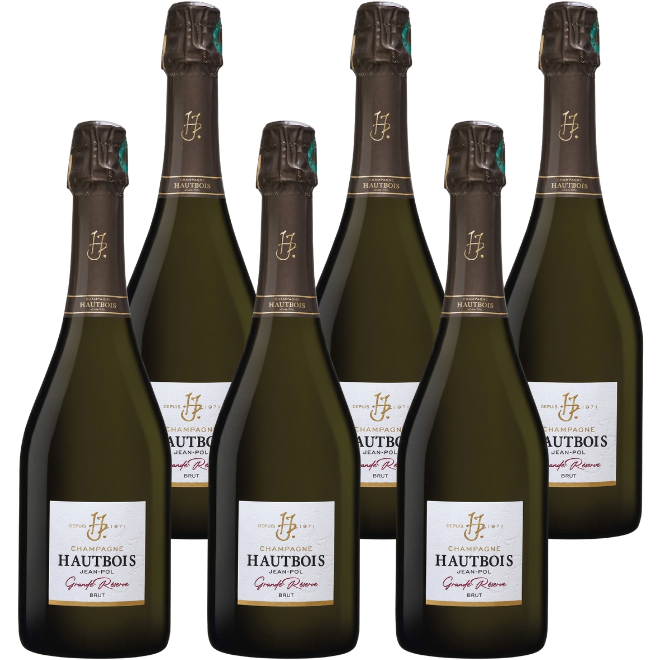
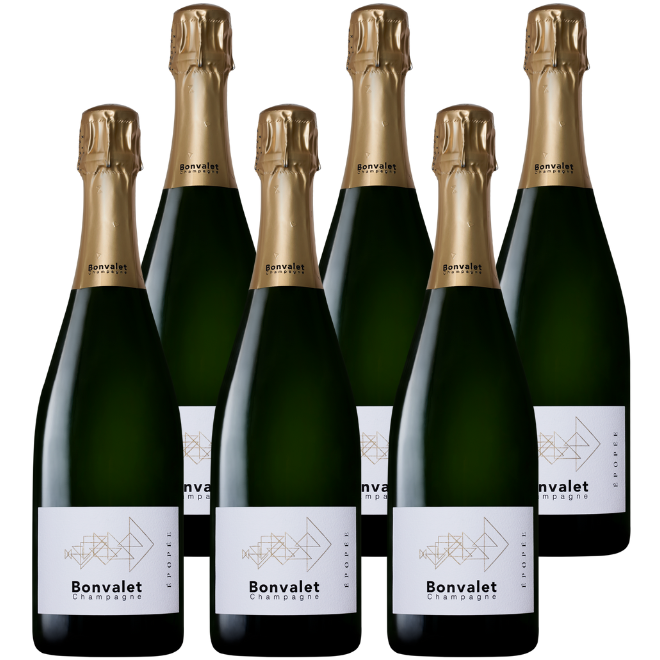
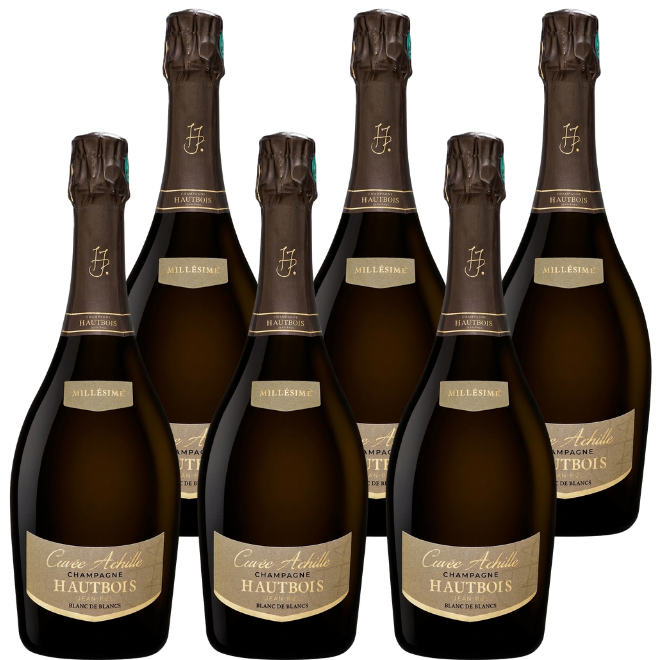
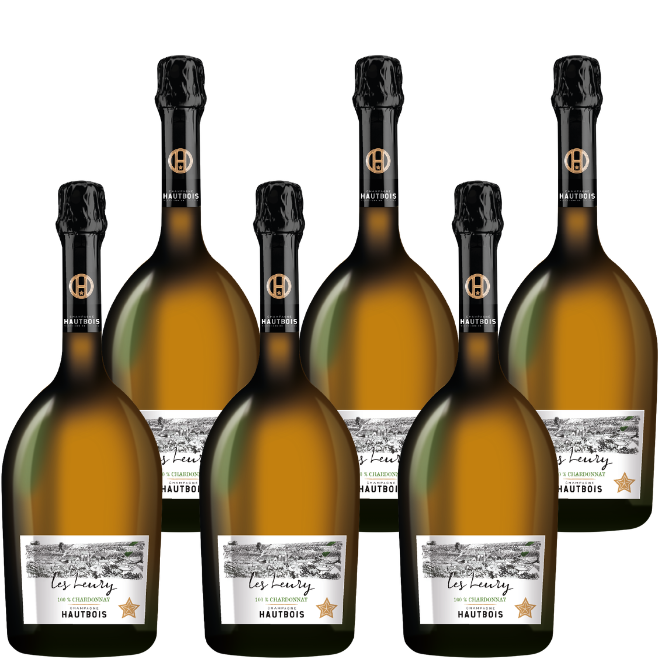
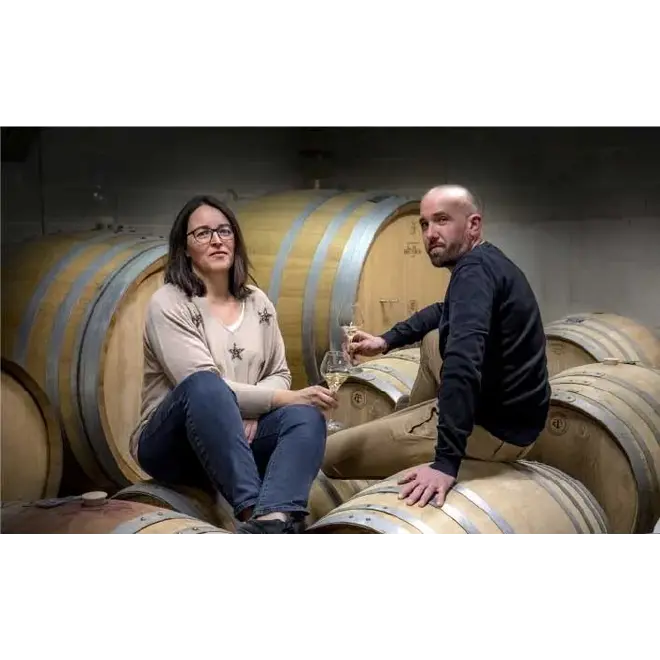
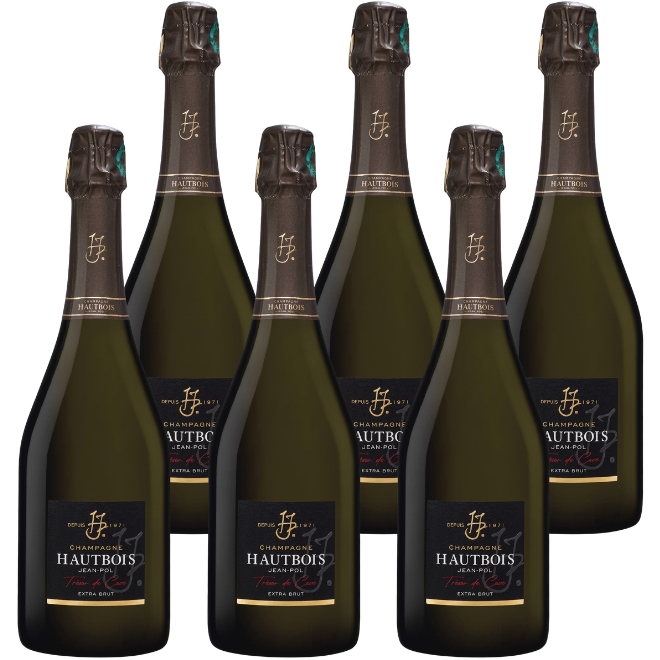
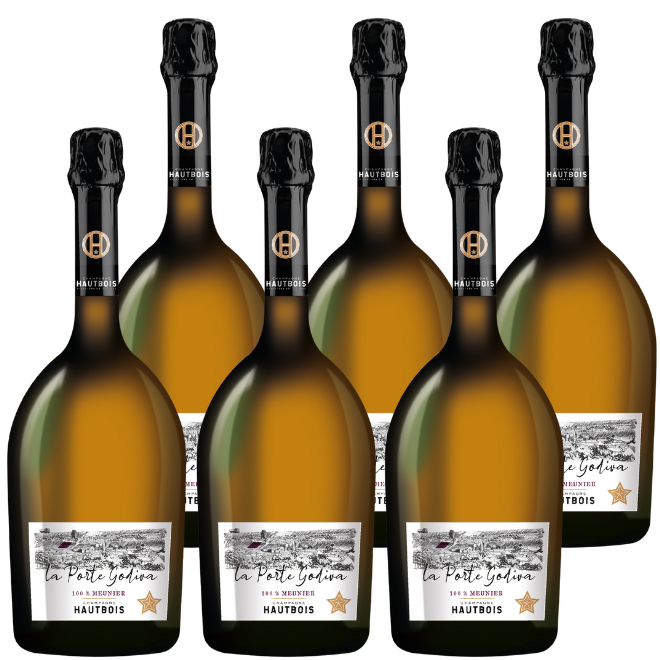
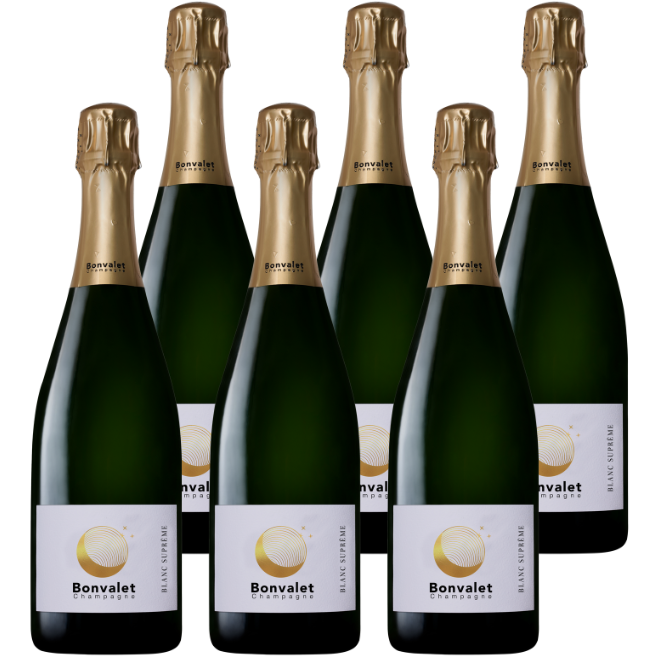
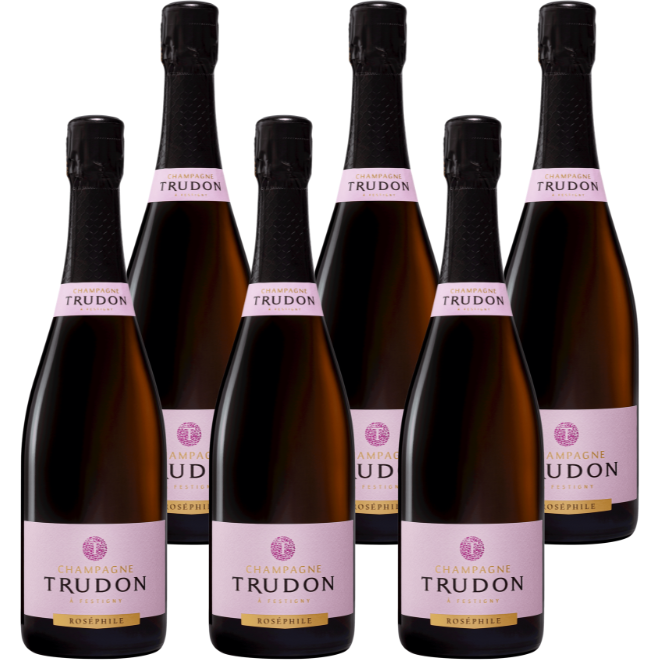
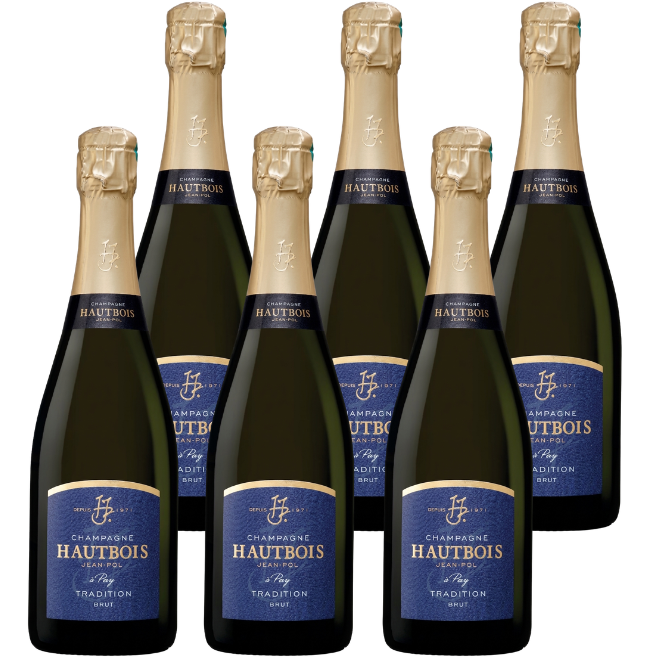
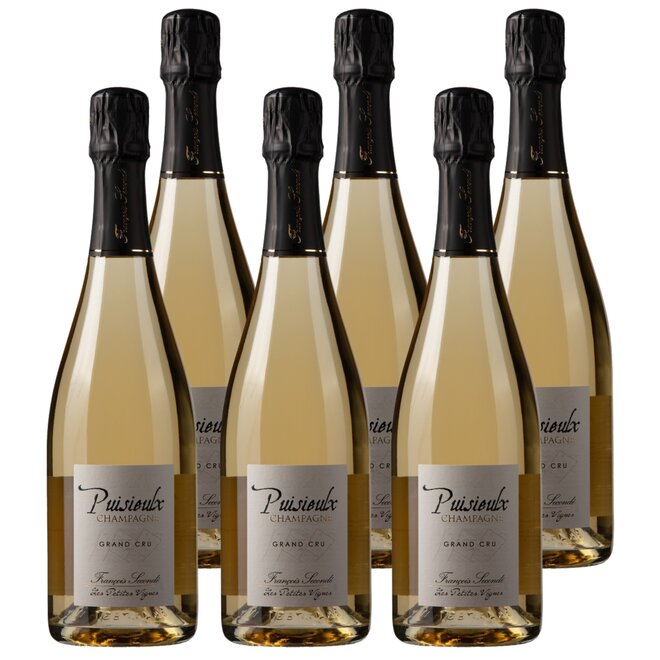
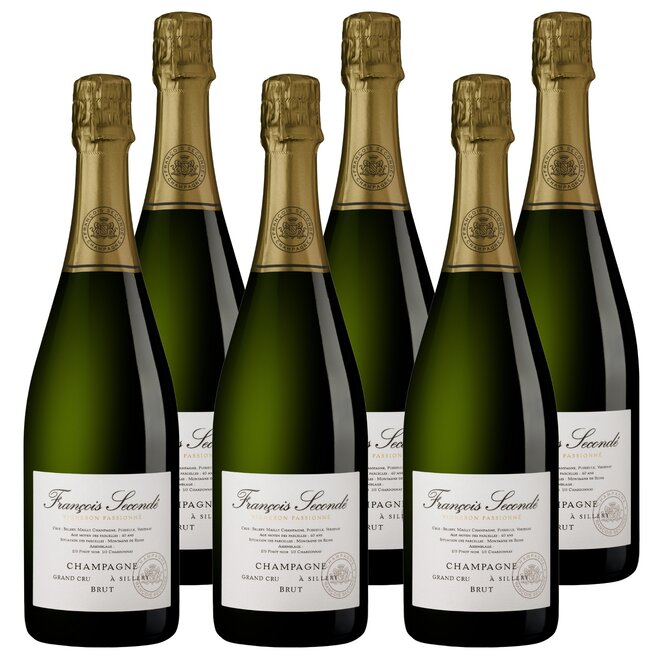
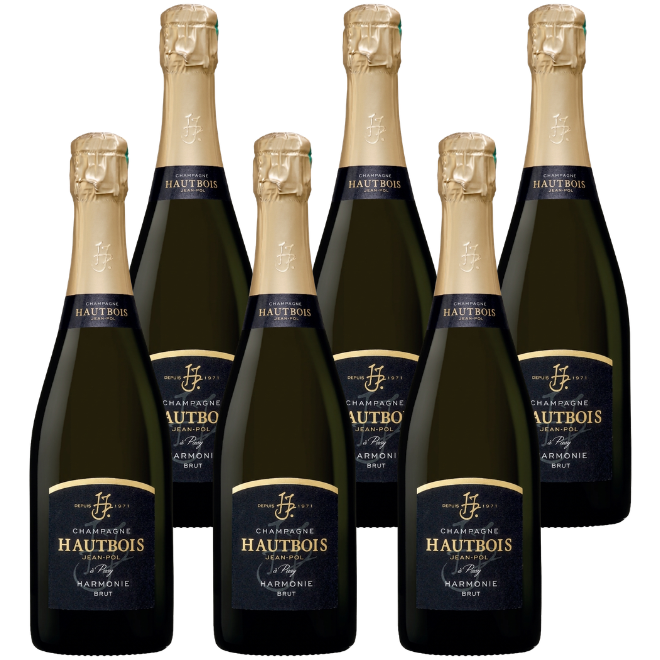
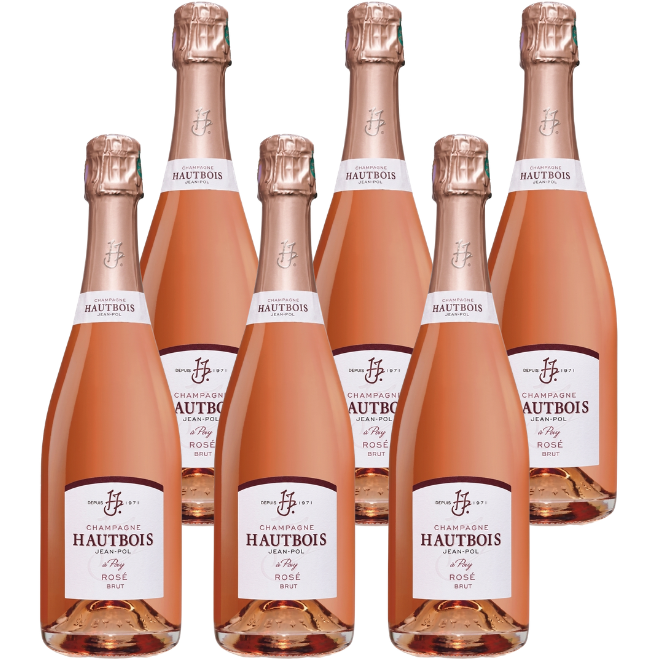
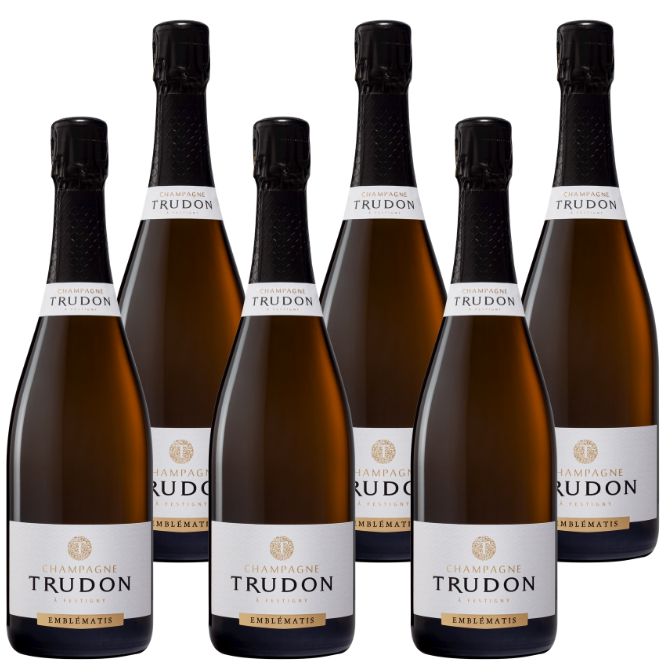
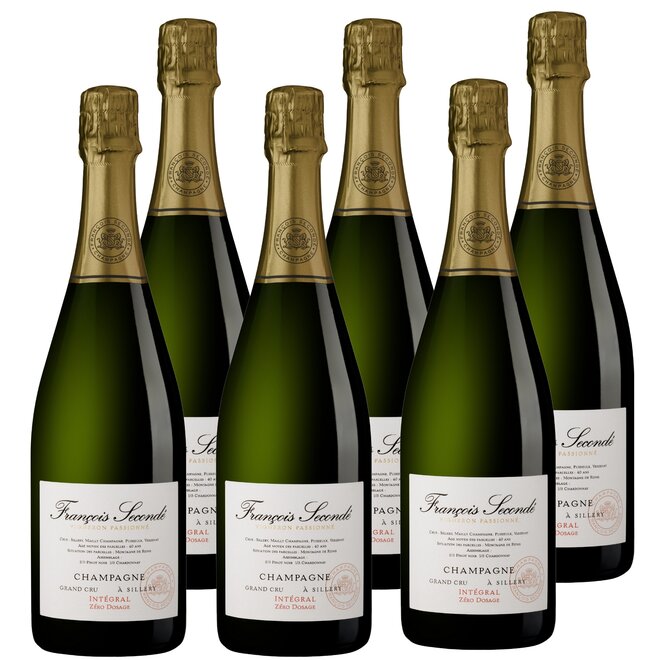
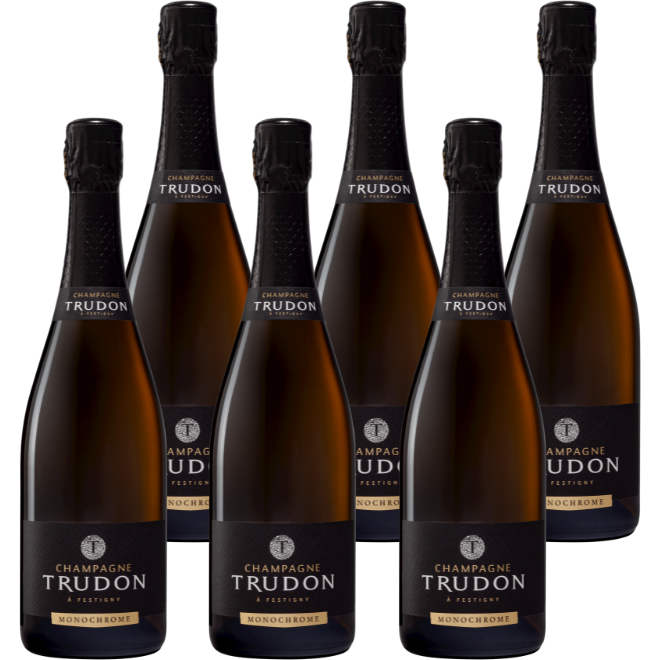
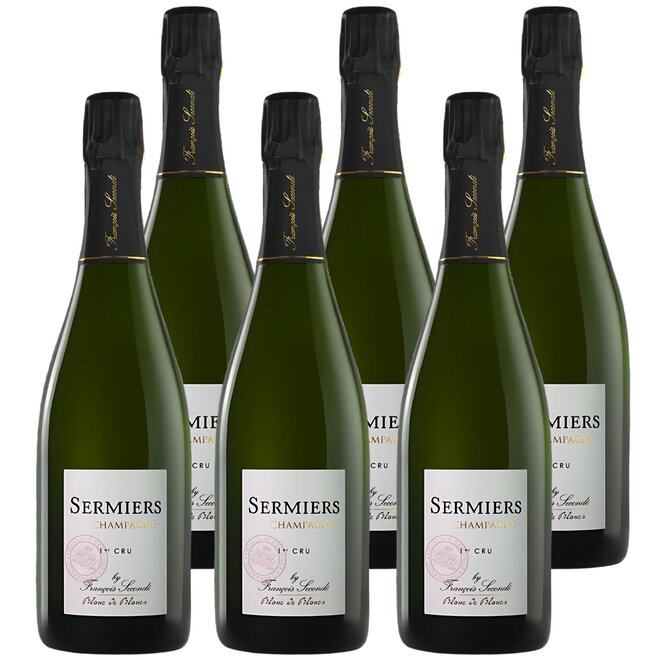
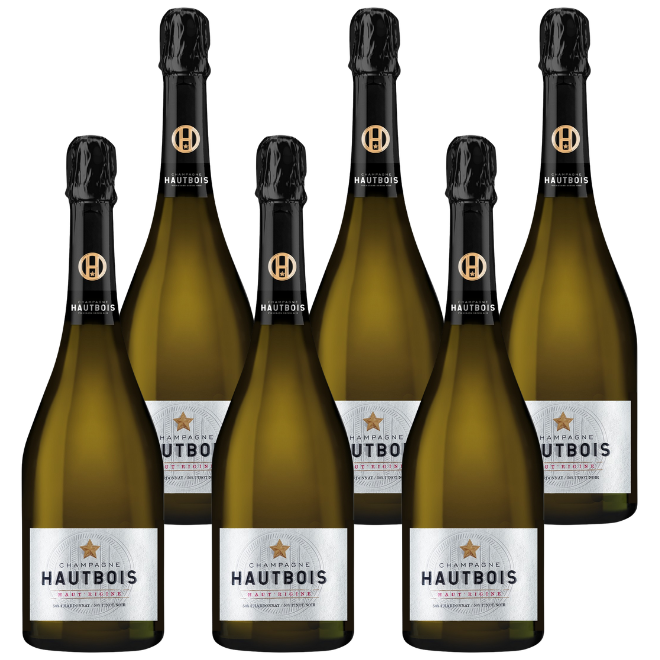
Champagne is the most famous sparkling wine in the world, but behind the big brands lies a different world: thousands of growers who farm their own grapes and make their own Champagne. On ONWINE you will find Champagne from small houses such as Champagne Hautbois, Champagne Bonvalet, Champagne Trudon and Champagne François Secondé. From a fresh Grande Réserve Brut to a Brut Grand Cru: real Champagne, straight from the maker.
At ONWINE you buy Champagne directly from the winemaker, with no importer in between. You put together a case of six bottles per winemaker and pay €8 shipping per case.
What is real Champagne?
Only sparkling wine from the delimited Champagne region in northern France may be called Champagne. The vineyards cover around 34,000 hectares across 319 villages, with the Montagne de Reims, the Vallée de la Marne, the Côte des Blancs near Épernay and the Côte des Bar in the south as the main areas. The cool climate and chalky soils give grapes with high acidity: the foundation of finesse.
The three main grapes are Chardonnay, Pinot Noir and Pinot Meunier. The winemaker first makes a still base wine, then lets it ferment a second time in the bottle: the méthode champenoise, or traditional method. The wine then ages on its lees. Non vintage Champagne must age for at least 15 months, 12 of them on the lees, and a vintage Champagne for at least three years. This gives the fine mousse and notes of brioche, toast and nuts.
Grower Champagne explained
Most famous brands are négociants: houses that buy grapes from many growers and blend them into one consistent house style. Grower Champagne, in French récoltant-manipulant, is the opposite. It is made by a winemaker who farms their own vineyards and makes, ages and sells the wine themselves. You taste the site, the village and the hand of the maker rather than a uniform brand style.
RM, NM and RC on the label
At the bottom of every label you will find two letters and a number. RM (récoltant-manipulant) means the grower does everything, from grape to bottle. NM (négociant-manipulant) is a house that buys in grapes. RC (récoltant-coopérateur) is a grower whose wine is made by a cooperative and sold under their own name, while CM is the cooperative itself. If you are looking for Champagne from small growers, look for RM.
Brut, Blanc de Blancs, rosé or vintage?
Brut
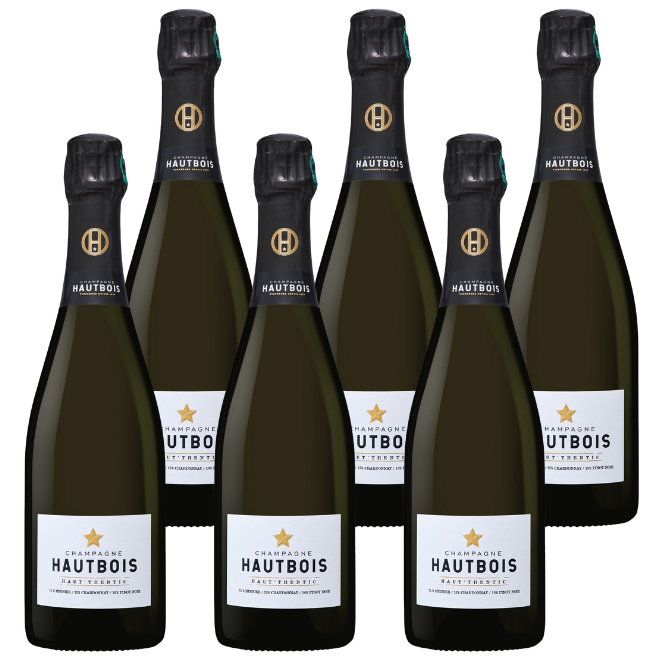
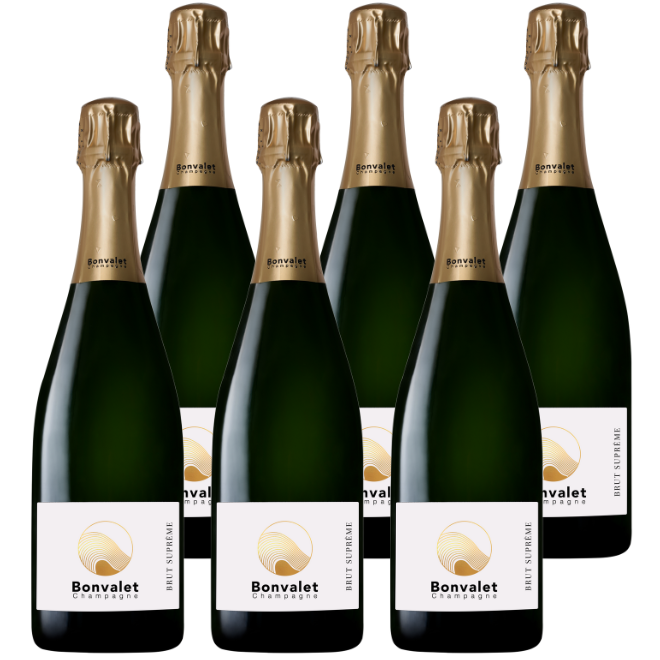
The classic style: dry, fresh and balanced, usually a blend of the three grapes and several harvests so the style stays consistent, like the Grande Réserve Brut from Champagne Hautbois. View all Brut →
Blanc de Blancs and Blanc de Noirs
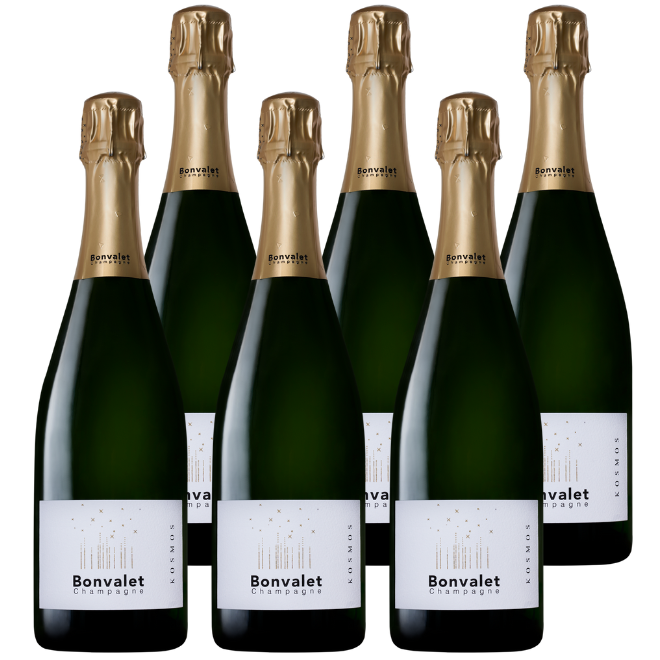
Blanc de Blancs is 100 percent Chardonnay: taut, citrus fresh and elegant, as in the 'Kosmos' from Champagne Bonvalet. Blanc de Noirs is made from the black grapes Pinot Noir and Meunier and is fuller and rounder. View all Blanc de Blancs →
Rosé Champagne
Rosé Champagne usually gets its colour from a little red wine from the region blended into the white base wine, or from brief skin contact, known as saignée. Expect red fruit, as in the 'Roséphile' from Champagne Trudon. View all rosé →
Vintage Champagne
A millésime or vintage Champagne comes from a single harvest and is only made when the winemaker judges the year good enough. It ages longer and shows the character of its year. View all vintages →
Dosage: from Brut Nature to Demi Sec
Just before the bottle is sealed, Champagne receives a small amount of sugar, the dosage. It decides how dry the wine tastes, within fixed EU limits. Brut Nature or Zéro Dosage has less than 3 grams of residual sugar per litre and no added sugar, Extra Brut 0 to 6 grams. These styles are pure and taut and show the terroir most clearly. View the driest →
Brut, the most popular style, has less than 12 grams. Then it gets sweeter: Extra Dry 12 to 17 grams, Dry or Sec 17 to 32 grams and Demi Sec 32 to 50 grams. Doux has more than 50 grams. A Demi Sec is lovely with dessert or foie gras.
Grand Cru, Premier Cru, price and quality
Of the 319 villages, 17 hold Grand Cru status and 42 Premier Cru. The classification applies to the village, not to the producer. Famous Grand Cru villages include Aÿ, Bouzy and Verzenay for Pinot Noir and Cramant, Avize and Le Mesnil-sur-Oger for Chardonnay. The Brut Grand Cru from Champagne François Secondé shows what such a site can deliver. View all Grand Cru →
Price depends on vineyard site, time on the lees, the share of reserve wine and the amount of handwork. With a grower you pay not for marketing but for estate grapes and time in the cellar, which is why grower Champagne often offers remarkable value.
Champagne, crémant or Prosecco?
Crémant is made the same way, with a second fermentation in the bottle, but comes from other French regions such as Alsace, Burgundy and the Loire, with shorter minimum ageing. Prosecco ferments in tank and is fruitier and lighter. Champagne stands apart through its cool climate, chalk and long ageing. Compare for yourself with crémant or browse all sparkling wines.
Storing, serving and food pairing
A non vintage Brut is ready to drink when you buy it and stays lovely for two to three years. A vintage or Blanc de Blancs can age for five to ten years or more. Store bottles cool, dark and at a steady temperature. Serve Champagne at 8 to 10 degrees, a vintage slightly warmer, in a wine glass rather than a narrow flute so the aromas can open up. It pairs with oysters, caviar, sushi, fried snacks, poultry and soft cheeses such as brie.
Frequently asked questions about Champagne
What is real Champagne?
Real Champagne comes only from the delimited Champagne region in northern France and is made with a second fermentation in the bottle. The grapes are mainly Chardonnay, Pinot Noir and Pinot Meunier. Non vintage Champagne ages for at least 15 months. Sparkling wine from elsewhere may not use the name, even when it is made the same way.
What is grower Champagne or récoltant-manipulant?
Grower Champagne is Champagne from a winemaker who farms their own grapes and makes, ages and sells the wine themselves. The label then shows RM, for récoltant-manipulant. Large houses marked NM buy in grapes instead. Grower Champagne lets you taste the village, the vineyard and the style of the maker.
What does Brut mean on Champagne?
Brut means the Champagne is dry, with less than 12 grams of residual sugar per litre. It is the most popular style. Drier are Extra Brut at 0 to 6 grams and Brut Nature at under 3 grams. Sweeter are Extra Dry at 12 to 17, Dry at 17 to 32 and Demi Sec at 32 to 50 grams.
How long can you keep Champagne?
A non vintage Brut is ready to drink when you buy it and stays lovely for two to three years. A vintage or Blanc de Blancs can age for five to ten years or more. Store Champagne cool, dark and at a steady temperature. An opened bottle keeps for one to two days in the fridge with a Champagne stopper.
What is the difference between Champagne and crémant?
Both are made with a second fermentation in the bottle, but Champagne comes only from Champagne, while crémant comes from other French regions such as Alsace, Burgundy and the Loire. Champagne ages longer on its lees and, thanks to the cool climate and chalk, often has more finesse and complexity. Crémant is usually fruitier and more affordable.
What does Blanc de Blancs mean?
Blanc de Blancs means white from white grapes: in Champagne that is 100 percent Chardonnay. The wine is taut, fresh and elegant, with citrus, white flowers and a chalky minerality, and ages well. Blanc de Noirs is the opposite: white Champagne from the black grapes Pinot Noir and Meunier, fuller in flavour.
What is a Grand Cru Champagne?
A Grand Cru Champagne comes entirely from one of the 17 villages with the highest classification, such as Aÿ, Bouzy, Cramant or Avize. There are also 42 Premier Cru villages. The status belongs to the village and its site, not to the producer. Grand Cru grapes often bring more concentration, depth and ageing potential.
Is grower Champagne good value?
Often, yes. With big brands part of what you pay goes to marketing and distribution. A grower works with estate grapes and invests mainly in the vineyard and in time on the lees. That is why small producers often give you more character and longer ageing for your money, especially at Premier Cru and Grand Cru level.
How cold should Champagne be?
Serve Champagne at 8 to 10 degrees, and a vintage or Blanc de Noirs at 10 to 12 degrees. Put the bottle in the fridge for a few hours or in a bucket of ice and water for twenty minutes. Use a wine glass rather than a narrow flute so the aromas can develop better.
What does shipping cost?
You order a case of six bottles per winemaker, mixed as you like. Shipping is €8 per case and the wine comes straight from the winemaker to you.



 Brut
 Blanc de Blancs
 Rosé
 Grand Cru