Rioja at a glance Region: northern Spain, along the EbroSub-regions: Rioja Alta, Rioja Alavesa and Rioja OrientalGrapes: Tempranillo, Garnacha, Graciano, Mazuelo; white ViuraAgeing levels: Joven, Crianza, Reserva, Gran ReservaServing: red wine at 16 to 18 degrees CelsiusPairs with: lamb, grilled meat, ham and tapasWhat makes Rioja special? Rioja lies in the north of Spain, along the river Ebro. Two things shape the style of the region: Tempranillo, which gives fruit and structure, and ageing in oak. Many winemakers blend several grapes and then let the wine age for a long time in wood and bottle before it is sold. That is why Rioja wines are often soft and spicy, with notes of red fruit, vanilla and spice.
What do Joven, Crianza, Reserva and Gran Reserva mean? The label of a Rioja tells you how long the wine has aged. The minimum times below apply to red wine.
Joven Joven means young. These wines age little or not at all in wood and are fruity and fresh. They are meant to be drunk within a few years.
Crianza A Crianza ages for at least 24 months, of which at least 12 months in oak. It combines fruit with mild oak notes such as vanilla and spice, and is the most versatile style.
Reserva A Reserva ages for at least 36 months, of which at least 12 months in oak. The rest of the time the wine rests in the bottle. The result is softer tannins, riper fruit and more depth.
Gran Reserva A Gran Reserva ages for at least 60 months, of which at least 24 months in oak. It is only made in very good vintages and is not in our range yet.
Which grapes is Rioja made from? Red Rioja is usually made from several grapes. Tempranillo is the most important and gives fruit and structure. Garnacha adds ripe fruit and body, Graciano adds freshness and aroma, and Mazuelo adds colour and acidity. Maturana Tinta is a rare, old grape of the region.
For white wine, Viura is the main grape. Elsewhere it is called Macabeo . Other grapes include Garnacha Blanca and a few regional varieties.
Which Rioja suits you? All the Rioja wines in our range come from one winemaker, Bodegas Heras Cordón. These are the styles, from approachable to special.
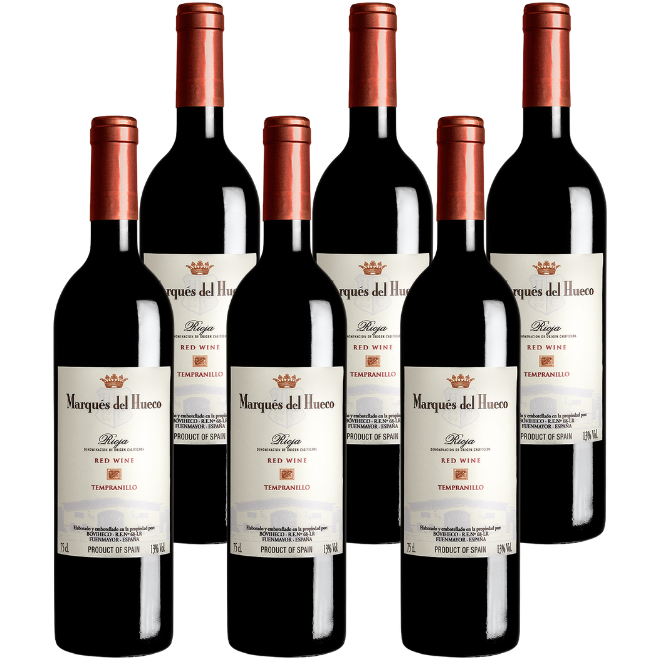
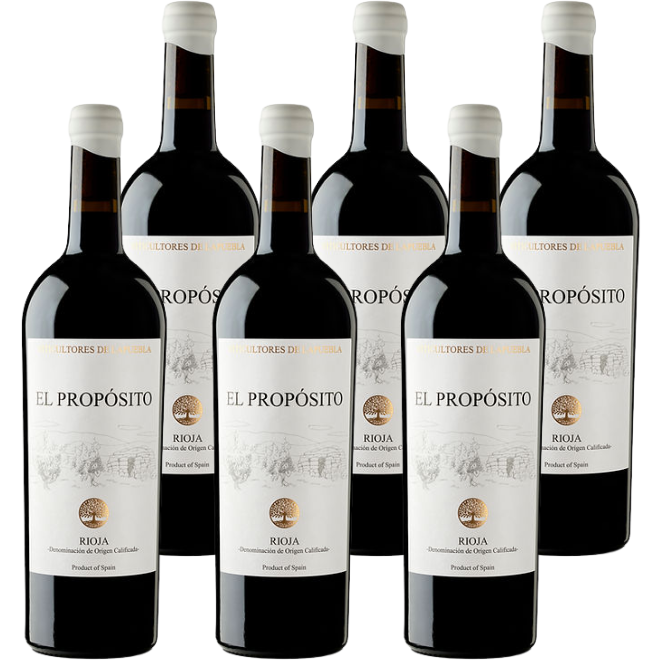
Tempranillo: fruity and approachable The Marqués del Hueco Tempranillo is made from 100% Tempranillo from 20 to 30-year-old vines in Laguardia. It is classic and fruity, with forest herbs, bay leaf and a touch of menthol. Another option is the El Propósito , a blend of 95% Tempranillo and 5% Viura. It ages for 7 months in French oak and tastes of cherry, strawberry and plum.
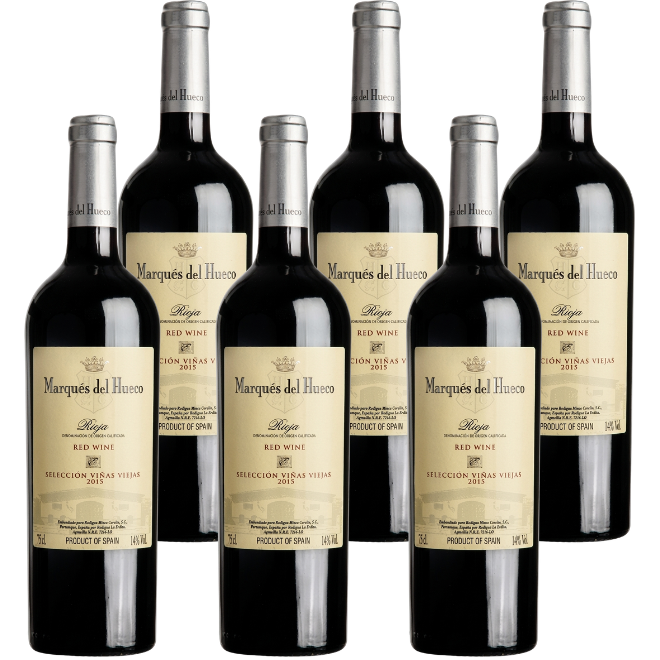
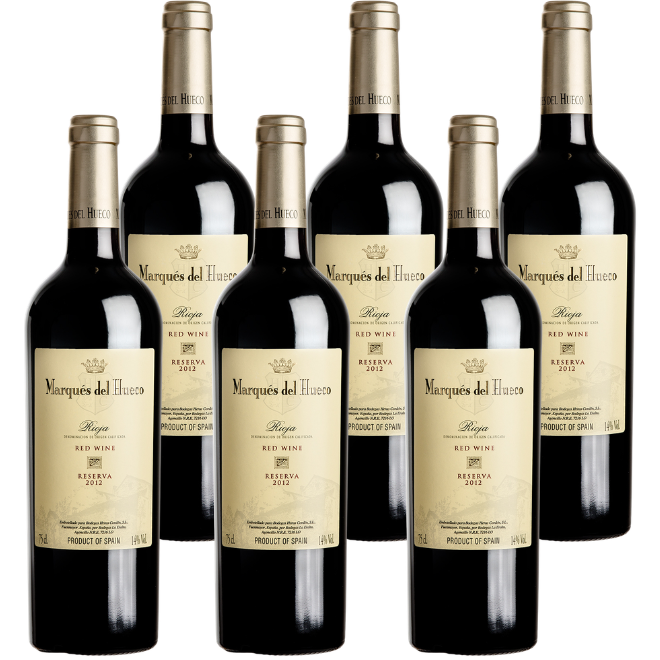
Crianza and Reserva: classic Rioja The Marqués del Hueco Crianza is a blend of 80% Tempranillo, 10% Mazuelo and 10% Graciano. It ages for 12 months in American oak and is soft and spicy, with red fruit, pepper and vanilla. The Marqués del Hueco Reserva comes from 35 to 40-year-old vines and ages for 18 months in French and American oak. It is powerful and elegant, with red cherry, blackcurrant, white pepper and a long finish of coffee and toffee.
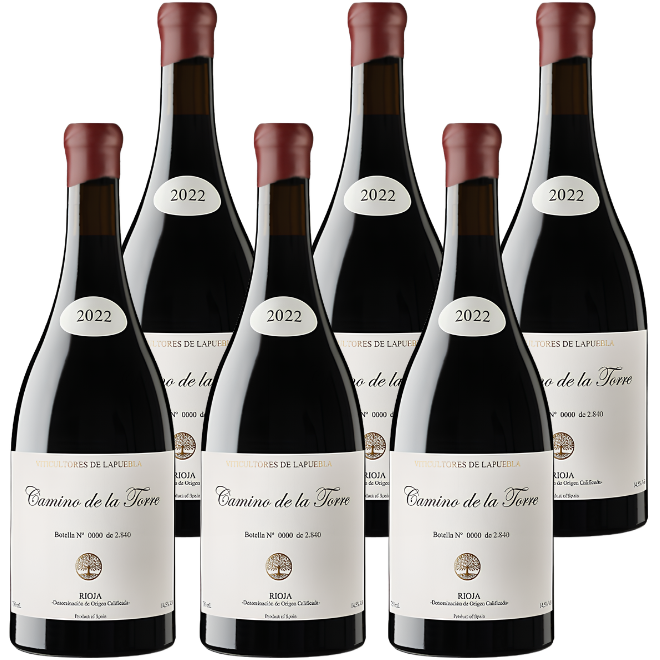
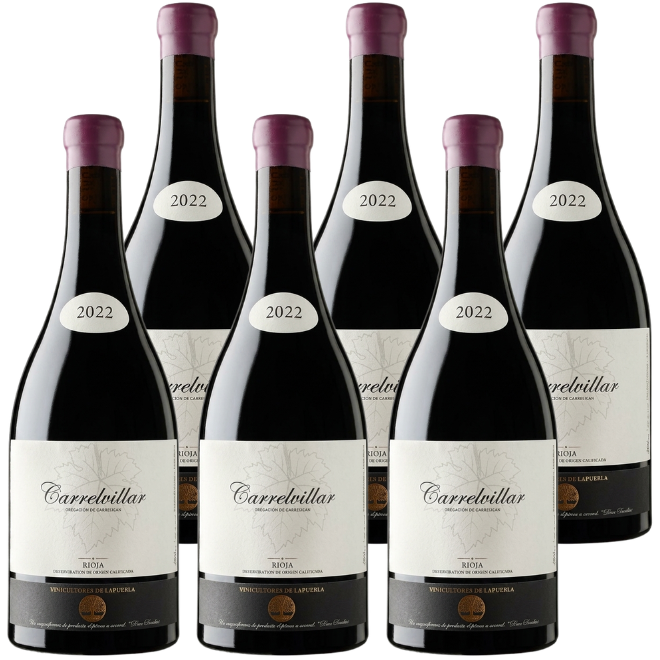
Old vines and single vineyards From Viticultores de Lapuebla, another line from Bodegas Heras Cordón, come two wines from very old vines. The 'Camino de la Torre' Tempranillo comes from a vineyard in Lapuebla de Labarca planted in 1923, at 545 metres. It ages for 14 months in 500-litre French oak and shows black fruit such as blackberry and plum. The 'Carrelvillar' Crianza comes from a single vineyard in Laguardia at 600 metres, planted in 1930. It ages for 11 months in French oak.
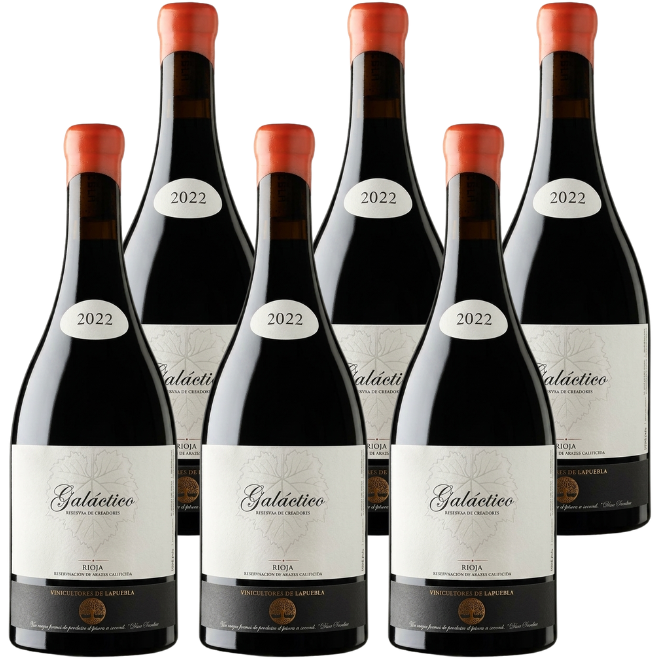
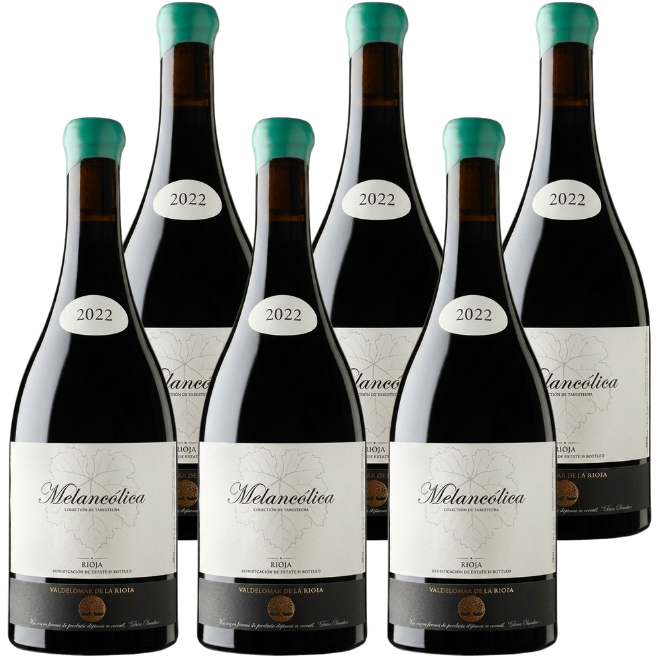
Garnacha and Maturana: rarities The 'Galáctico' Crianza is 100% Garnacha from vines planted in 1920 in Alesón, at around 700 metres. It smells of orange blossom and ripe red fruit. The 'Melancólica' Crianza is a pure Maturana from Laguardia, also at around 700 metres, with wild strawberry and blackberry. Maturana is a rare, native grape that you seldom see on a label.
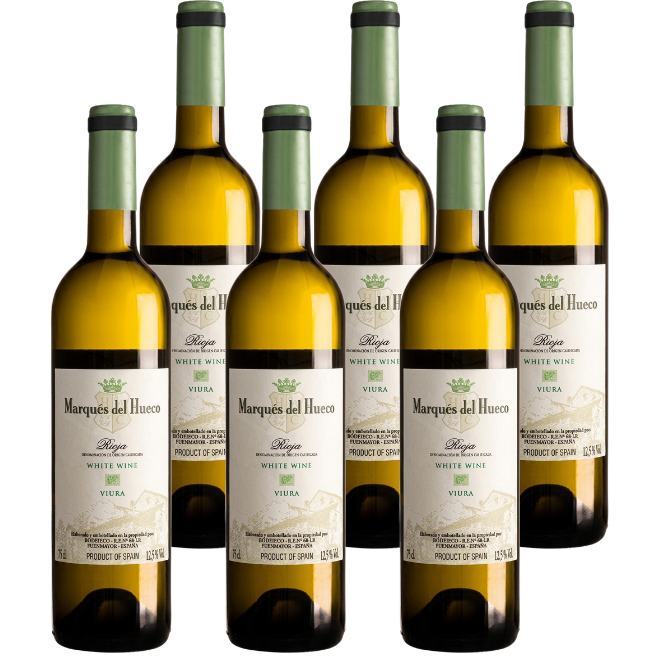
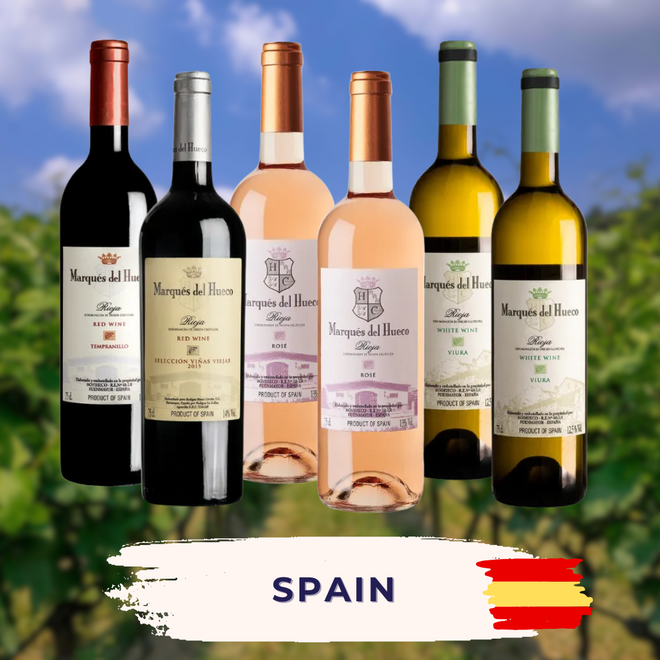
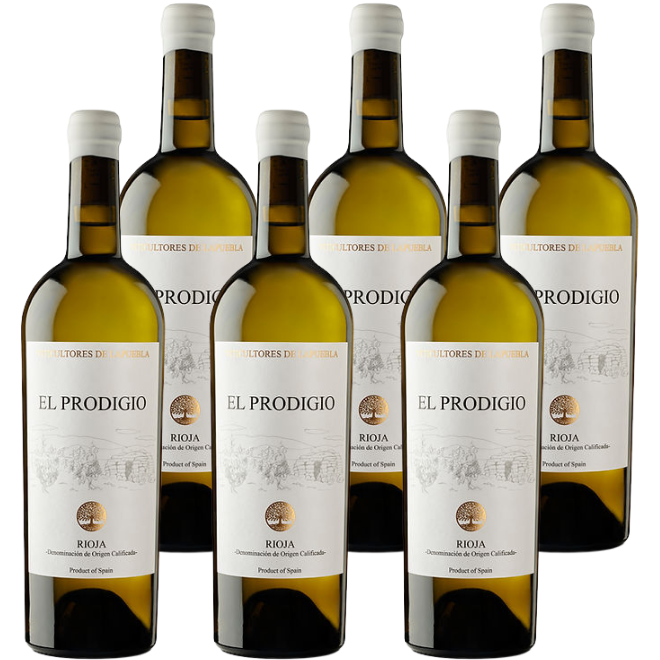
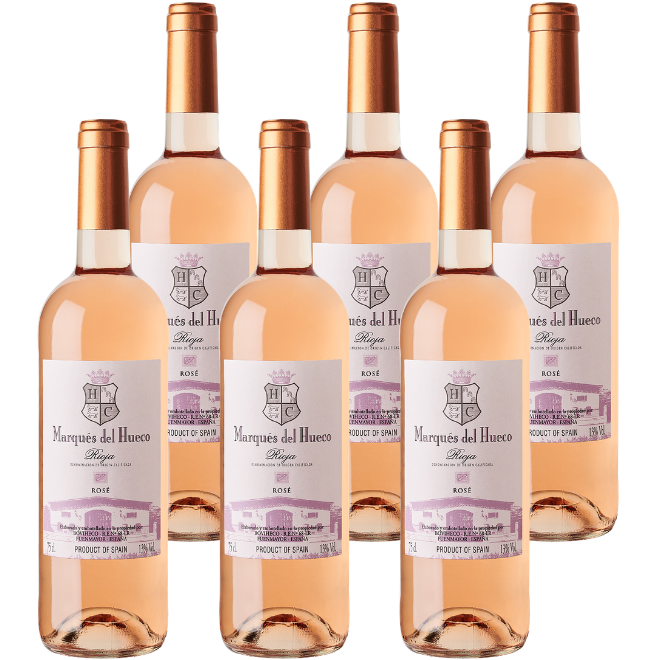
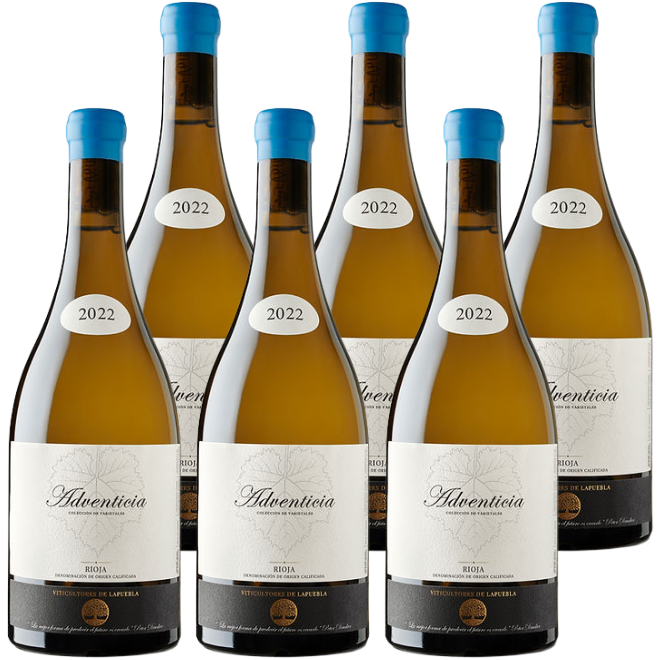
White Rioja and rosé The Marqués del Hueco Viura is a fresh white wine with apricot, flowers and citrus. The 'El Prodigio' Viura comes from old vines in higher vineyards, is fermented in French oak and is creamier, with grapefruit and jasmine. The 'Adventicia' Blanco is 98% Garnacha Blanca, topped up with 2% Calagraño, and is a rare, complex white wine with passion fruit and melon. The Marqués del Hueco Rosado is a fresh rosé from Viura, Garnacha and Tempranillo, with strawberry, raspberry and citrus.
Which one suits you? You like it fruity and soft. Choose a Tempranillo or a Crianza.
You want more depth and maturity. Choose a Reserva.
You want something special. Choose a single vineyard, a Garnacha or a Maturana from old vines.
You prefer white or rosé. Choose Viura or the Rosado.
What food goes with Rioja? A fruity Tempranillo goes well with tapas, ham, pasta and pizza. Crianza and Reserva suit lamb, grilled meat, game and aged cheese such as Manchego. A Rosado suits tapas, rice dishes and salads. White Rioja suits fish, shellfish and poultry.
Where does Rioja come from? Rioja has three sub-regions that differ in climate and soil.
Rioja Alta. In the west, along the Ebro. The climate has an Atlantic influence and the soils are made of clay, limestone and iron. The wines are often elegant and fresh. This is where the winery of Bodegas Heras Cordón is, in Fuenmayor.
Rioja Alavesa. North of the Ebro, in the province of Álava in the Basque Country. Limestone-rich clay soils and higher vineyards produce fresh, fruity wines. Several of our wines come from Laguardia and Lapuebla de Labarca.
Rioja Oriental. In the east, formerly called Rioja Baja. It is warmer and drier here, with a Mediterranean influence, and Garnacha does especially well. We currently have no wine from this sub-region in our range.
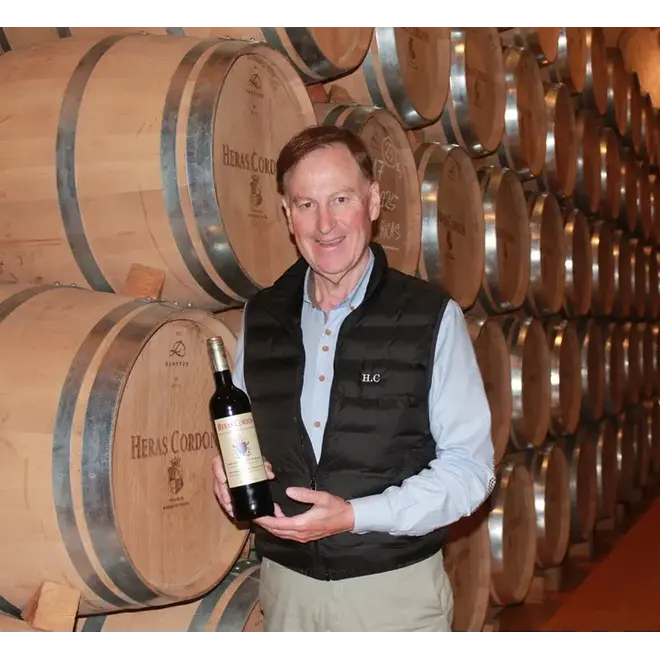
Buy Rioja wine at ONWINE All our Rioja wines come from Bodegas Heras Cordón . The winery was founded in 1995 by the brothers José Luis, Juan Carlos and Sergio, fifth-generation winemakers from Lapuebla de Labarca. Their grapes grow on 52 hectares in Rioja Alta and Rioja Alavesa and are picked by hand. At ONWINE you buy directly from them, with no middleman. Shipping is free from 12 bottles from the same winemaker.
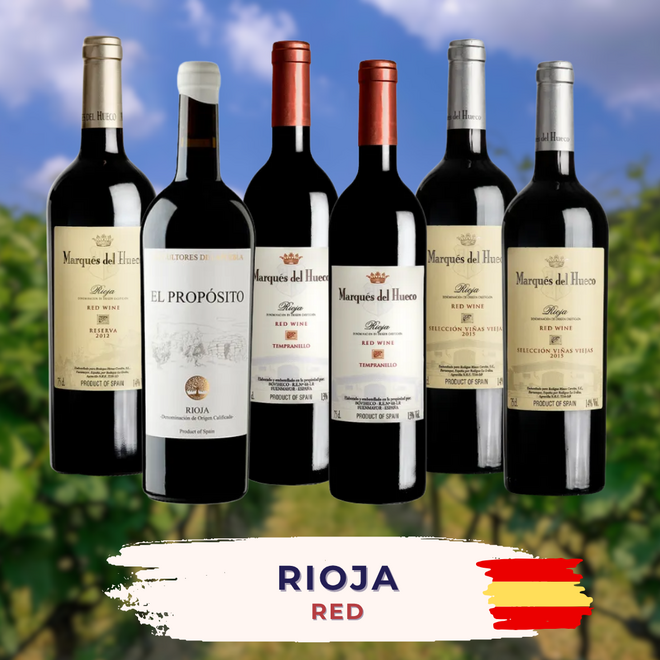
Not sure which Rioja suits you? Start with the Rioja Red Tasting Case . It contains six bottles: one Marqués del Hueco Reserva and one El Propósito, plus two Marqués del Hueco Crianza and two Marqués del Hueco Tempranillo. Want to taste white and rosé too? Then the Bodegas Heras Cordón tasting case is a good choice.
All Spanish red wine →
Frequently asked questions about Rioja What is the difference between Rioja and Ribera del Duero? Both regions are built on Tempranillo. Rioja often blends it with Garnacha, Graciano or Mazuelo and traditionally ages the wine for a long time in wood, which makes it soft and spicy. In Ribera del Duero, Tempranillo is called Tinto Fino. The wines are usually darker and more powerful, because the vineyards are higher and the nights are cooler. Ribera del Duero is not in our range yet, but you can already read about it on our Ribera del Duero page .
What does DOCa mean? DOCa stands for Denominación de Origen Calificada, the highest level of origin in Spain. Rioja was the first region to receive it, in 1991. To date only Rioja and Priorat carry this status, although in Priorat it is called DOQ.
How long can you keep Rioja? A Joven is best drunk in the first few years. A Crianza can often keep for several years, a Reserva usually ten years or more. Store the bottles lying down, in a cool, dark place.
Do you need to decant Rioja? A young, fruity Rioja usually does not need it. A Reserva benefits from about 30 minutes of air, for example in a decanter, so the aromas can open up.