Buy Franciacorta directly from the winemaker
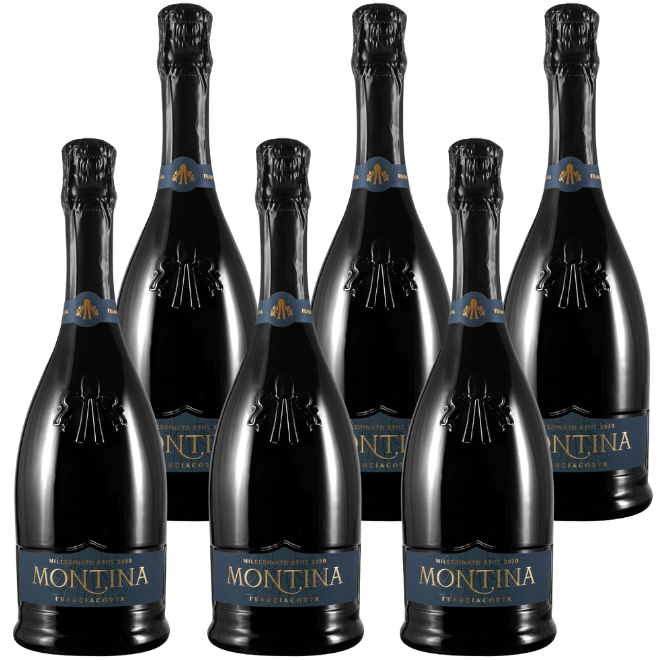
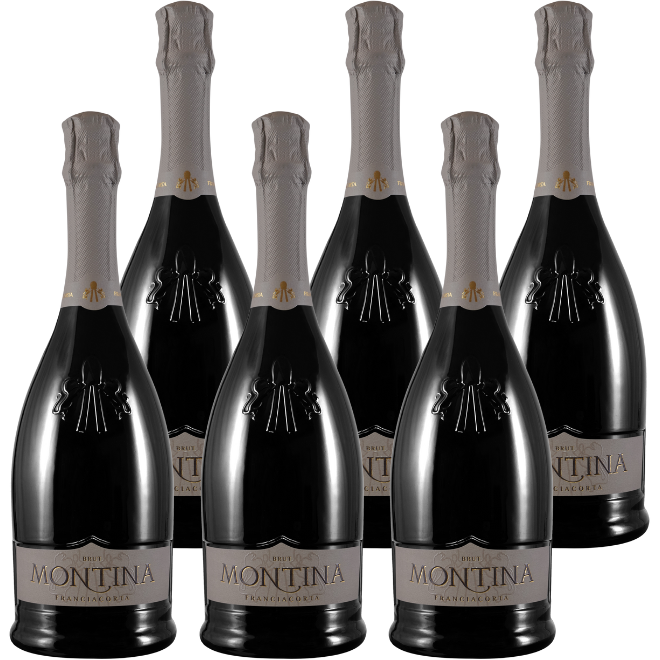
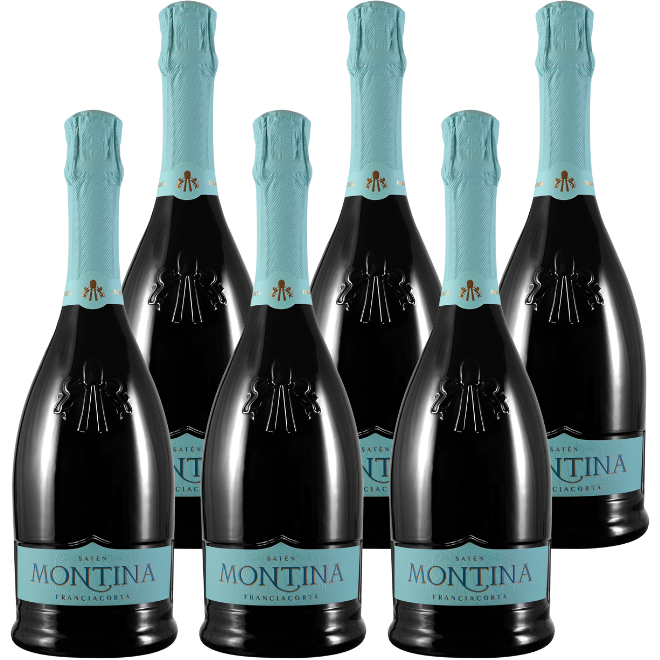
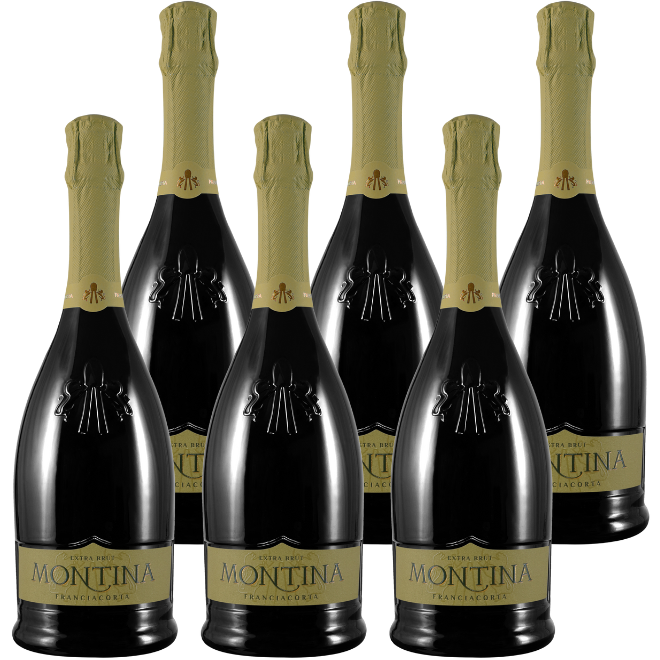
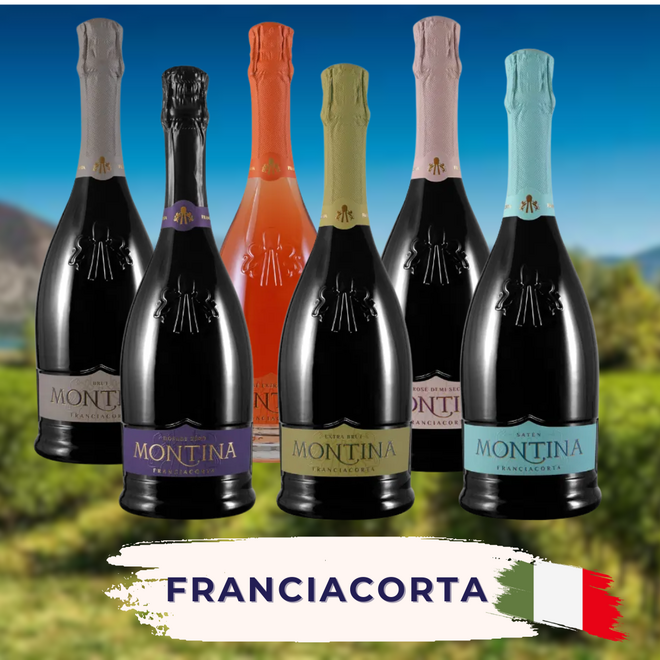
Franciacorta is Italy's answer to Champagne: a sparkling wine with a second fermentation in the bottle, long ageing on the lees and a fine, creamy mousse. It comes from a small hilly area in Lombardy, between Brescia and Lake Iseo. On ONWINE you will find Franciacorta from La Montina, with a Brut, a Satèn, a Rosé Extra Brut and the 'Quor' Riserva Nature: the full ladder of this appellation from one producer.
At ONWINE you buy Franciacorta directly from the winemaker, with no importer in between. You put together a case of six bottles per winemaker and pay €8 shipping per case.
What is Franciacorta?
Franciacorta is at once the name of a region, a wine and a method. It has been a DOCG, Italy's highest quality tier, since 1995, and it was the first Italian sparkling wine that had to be made exclusively by the traditional method. The label therefore simply says Franciacorta: terms such as spumante or metodo classico are not needed.
The area forms an amphitheatre around the southern tip of Lake Iseo. The soils are moraines of gravel, sand and clay left behind by glaciers. The lake softens the climate, so the grapes ripen fully yet keep their freshness. Just under twenty municipalities belong to the zone, spread across rolling hills of vineyards, castles and abbeys.
Grapes: Chardonnay, Pinot Nero, Pinot Bianco and Erbamat
The backbone is Chardonnay, supported by Pinot Nero. Pinot Bianco may make up to half of the blend. The old local grape Erbamat is also permitted, up to 10 percent, because it ripens late and keeps plenty of acidity. Chardonnay brings citrus, finesse and tension, Pinot Nero structure and red fruit.
How Franciacorta is made
The winemaker first makes a still base wine. It then goes into the bottle with yeast and sugar for a second fermentation, creating carbon dioxide that stays in the wine. The wine then ages for months or years on the spent yeast cells. This lees ageing brings notes of brioche, almond and toast and an ever finer bubble.
The rules are stricter than many people think. A standard Franciacorta ages at least 18 months on the lees, whereas non vintage Champagne requires a minimum of 12 months on the lees. Satèn and Rosé age at least 24 months, a Millesimato 30 months and a Riserva at least 60 months. After disgorging, the wine receives its dosage and final cork.
Brut, Satèn, Rosé or Riserva?
Franciacorta Brut
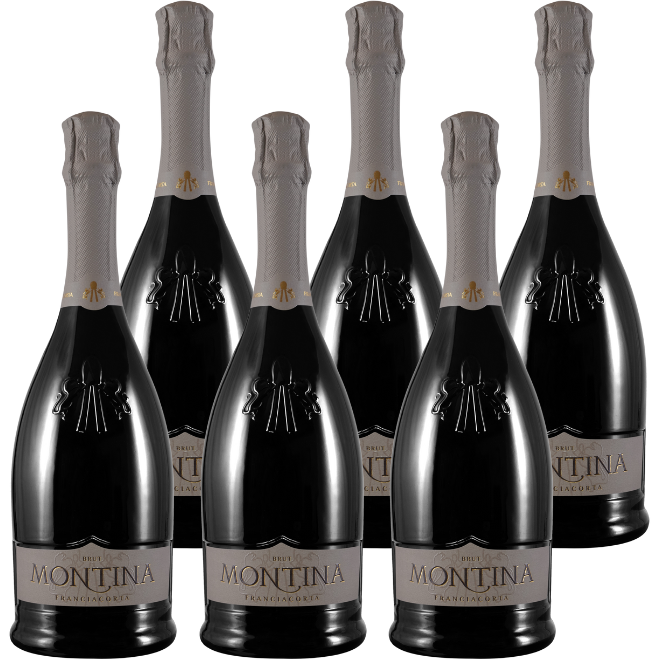
The classic style: fresh, fine and balanced, with citrus, white peach and a hint of brioche. A versatile wine from aperitif to main course, like the Franciacorta DOCG Brut from La Montina. View all Brut →
Franciacorta Satèn
Satèn is a style unique to Franciacorta. It is made only from white grapes, at least half Chardonnay, and has lower pressure in the bottle, at most 5 bar. That makes the mousse soft and silky, hence the name. Satèn is always dry and ages at least 24 months on the lees. View the Satèn →
Franciacorta Rosé
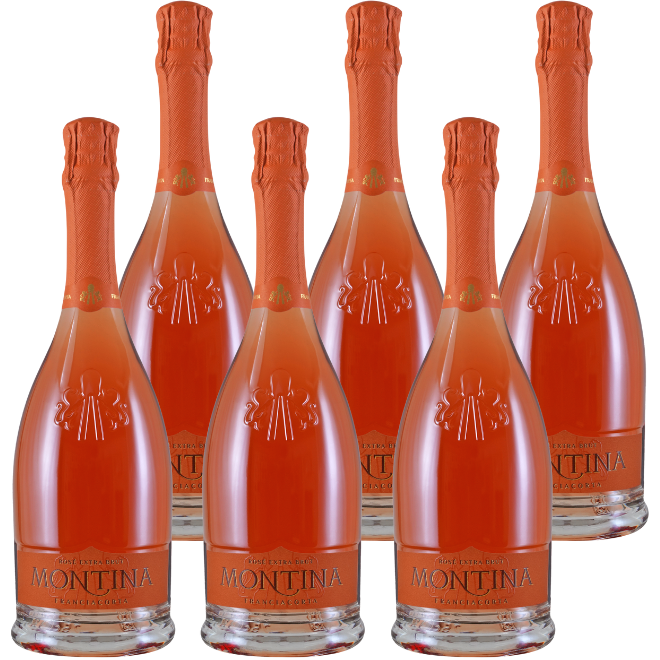
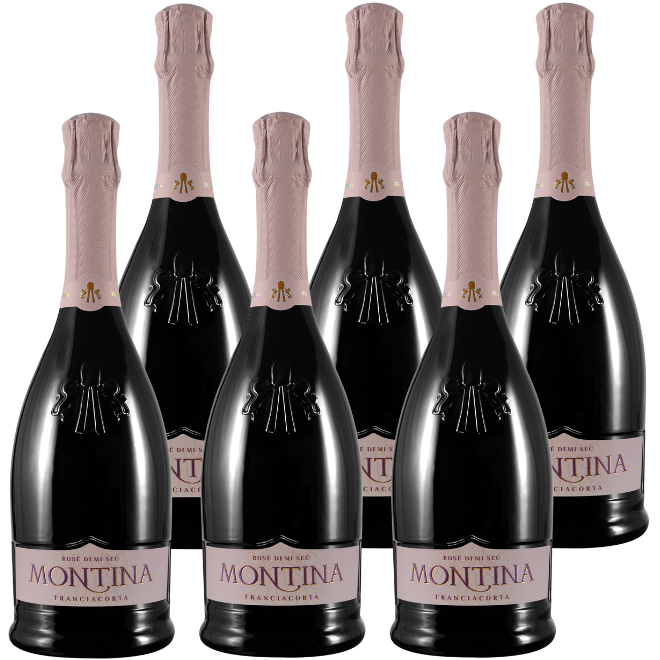
A Rosé contains at least 35 percent Pinot Nero, for red fruit, colour and more structure. It ages at least 24 months on the lees. The Rosé Extra Brut from La Montina shows how taut and food friendly this style can be. View the Rosé →
Millesimato and Riserva
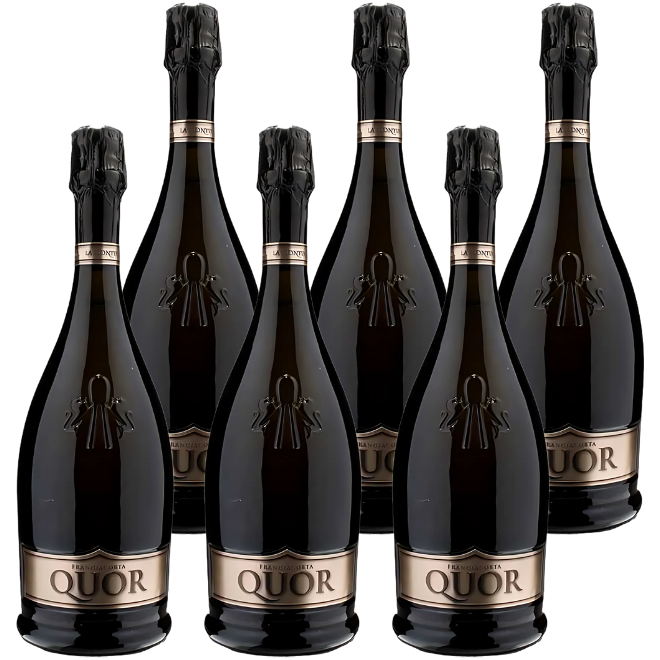
A Millesimato comes at least 85 percent from a single harvest and ages at least 30 months on the lees. A Riserva is a Millesimato aged at least 60 months: complex, with dried fruit, honey and hazelnut. The 'Quor' Riserva Nature from La Montina is an example with no added sugar. View Millesimato and Riserva →
Dosage: from Dosaggio Zero to Demi Sec
The dosage decides how dry a Franciacorta tastes, with the same EU limits as other sparkling wines. Dosaggio Zero or Pas Dosé has less than 3 grams of residual sugar per litre, Extra Brut 0 to 6 grams and Brut less than 12 grams. Then come Extra Dry at 12 to 17 grams, Sec or Dry at 17 to 32 grams and Demi Sec at 32 to 50 grams. Satèn and Riserva exist only in the dry styles. A Demi Sec is softer and suits dessert.
Franciacorta vs Champagne and Prosecco
Franciacorta and Champagne are made the same way, with a second fermentation in the bottle, and share Chardonnay and Pinot Noir. The difference lies in climate and soil: Franciacorta is warmer, giving riper fruit, softer acidity and often a creamier texture. Champagne is cooler, tauter and more chalky.
Prosecco is a very different wine. It ferments in tank, is made from Glera and is lighter, more floral and fruitier, without the toast and brioche of long ageing. Franciacorta is more of a wine for the table, Prosecco more of an aperitif. Compare them yourself via all sparkling wines.
Price, serving and food
Franciacorta costs more than Prosecco because the method takes far more time and handwork: each bottle ferments individually and ages for at least eighteen months, a Riserva five years or more. Against Champagne it often offers strong value. Serve it at 8 to 10 degrees in a wine glass. It pairs with risotto, fish, shellfish, sushi, tempura and antipasti, Satèn with creamy dishes and soft cheeses, Rosé with poultry and vitello tonnato.
Frequently asked questions about Franciacorta
What is Franciacorta?
Franciacorta is a sparkling wine from Lombardy, between Brescia and Lake Iseo. It is made from Chardonnay, Pinot Nero and Pinot Bianco with a second fermentation in the bottle, just like Champagne. Franciacorta has been a DOCG since 1995, and a standard Franciacorta ages at least 18 months on the lees.
Is Franciacorta the same as Champagne?
No, but they are closely related. Both are made with a second fermentation in the bottle, mainly from Chardonnay and Pinot Noir. Franciacorta comes from warmer Lombardy and so has riper fruit, softer acidity and often a creamier texture. Champagne comes from northern France and is tauter and more chalky.
How is Franciacorta different from Prosecco?
Franciacorta ferments in the bottle and ages at least 18 months on the lees, while Prosecco ferments in a steel tank and is bottled young. Franciacorta is therefore fuller, with brioche, toast and a fine mousse. Prosecco is made from Glera and is lighter, more floral and fruitier, more an aperitif than a wine for the table.
What is Franciacorta Satèn?
Satèn is a style found only in Franciacorta. It is made solely from white grapes, at least half Chardonnay, and has lower pressure of at most 5 bar. That makes the mousse soft and silky. Satèn is always dry, ages at least 24 months on the lees and pairs beautifully with creamy dishes.
Which grapes are used in Franciacorta?
Franciacorta is made from Chardonnay and Pinot Nero, with Pinot Bianco allowed up to half of the blend. The local grape Erbamat is also permitted up to 10 percent. A Satèn uses only white grapes, while a Rosé contains at least 35 percent Pinot Nero for colour, red fruit and structure.
What is the difference between Millesimato and Riserva?
A Millesimato comes at least 85 percent from a single harvest and ages at least 30 months on the lees. A Riserva is a Millesimato aged at least 60 months on the lees. That makes a Riserva more complex, with notes of dried fruit, honey and hazelnut. Both exist only in the drier dosage styles.
What does Dosaggio Zero or Extra Brut mean on Franciacorta?
These are the driest styles. Dosaggio Zero, also called Pas Dosé or Nature, has less than 3 grams of residual sugar per litre and no added sugar. Extra Brut has 0 to 6 grams, Brut less than 12 grams. Sweeter are Extra Dry at 12 to 17, Sec at 17 to 32 and Demi Sec at 32 to 50 grams.
How cold should Franciacorta be and what food goes with it?
Serve Franciacorta at 8 to 10 degrees, a Riserva slightly warmer, in a wine glass. A Brut suits risotto, fish, shellfish and sushi. A Satèn is lovely with creamy pasta and soft cheeses, a Rosé with poultry and vitello tonnato. A Riserva can even match veal or aged Parmigiano.
What does shipping cost?
You order a case of six bottles per winemaker, mixed as you like. Shipping is €8 per case and the wine comes straight from the winemaker to you.



 Brut
 Satèn
 Rosé
 Riserva