Buy Valpolicella wine directly from the winemaker
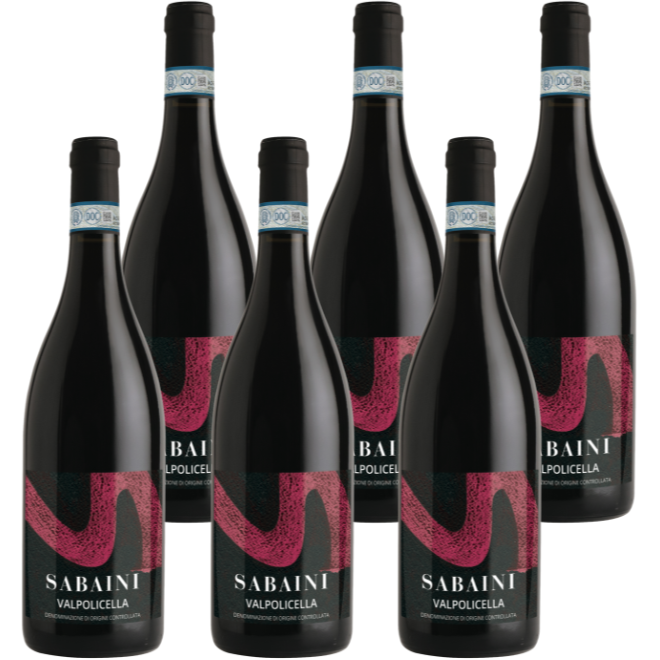
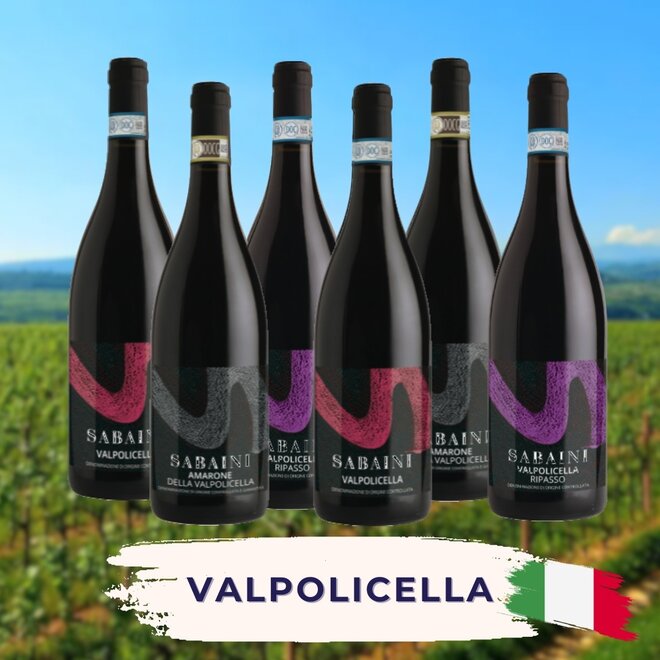
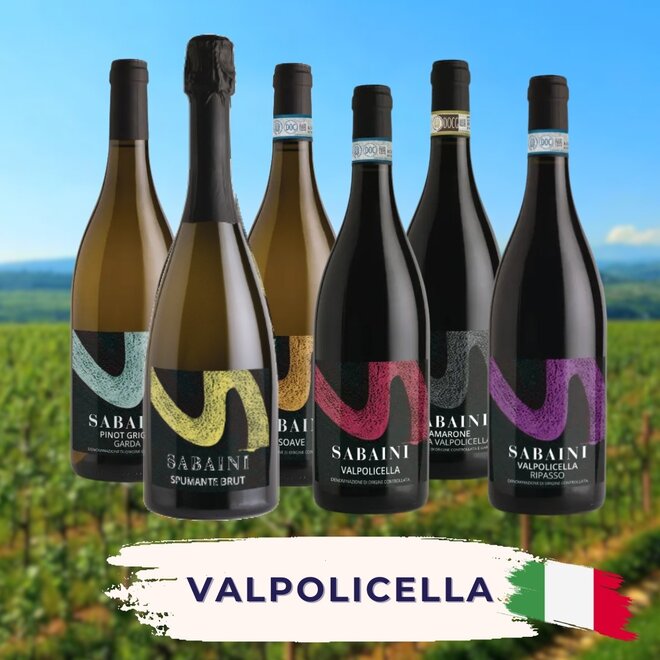
Valpolicella is the red wine region between Verona and Lake Garda, on hills that rise towards the Lessini mountains. From the same grapes, mainly Corvina, Corvinone and Rondinella, winemakers here make a whole family of wines: the fresh Valpolicella Classico, the fuller Superiore, the round Ripasso and the powerful Amarone. On ONWINE you find Valpolicella from small winemakers such as Fugolo, Cottini Marco, Il Sasso and Cantina Sabaini.
At ONWINE you buy Valpolicella directly from the winemaker, with no importer in between. You put together a case of six bottles per winemaker and pay €8 shipping per case.
What is Valpolicella wine?
Valpolicella is both a region and a wine. According to the popular explanation, the name means something like valley of many cellars. The area is a series of valleys running north to south towards Verona, with vineyards on limestone, marl and in places volcanic soil. The climate is mild: Lake Garda to the west softens the summer, while the mountains to the north bring cool nights and freshness to the grapes.
The grapes of Valpolicella
Corvina is the backbone: it brings cherry, fresh acidity and a fine bitter edge. Corvinone has larger berries and adds structure, while Rondinella gives colour and softness. Together Corvina and Corvinone make up 45 to 95 percent of the wine, Rondinella 5 to 30 percent. Smaller old varieties such as Molinara and Oseleta may join the blend and give some winemakers their own signature.
Valpolicella Classico: fresh and cherry scented
Classico is not a style but an origin: the original heartland in the west, with the five communes of Fumane, Marano, Negrar, San Pietro in Cariano and Sant'Ambrogio. There is also the Valpantena, a separate valley closer to Verona, and the eastern part of the region. Basic Valpolicella, often with the word Classico added, is drunk young. It is light in colour, juicy and fresh, with cherry, redcurrant and a touch of almond and pepper. In Verona it is the wine people drink with lunch, lightly chilled. View all Valpolicella Classico →
Valpolicella Superiore: more ageing, more depth
A Valpolicella Superiore comes from the same grapes but needs at least 12 percent alcohol instead of 11, and at least one year of ageing before release. Winemakers often use their best slopes for it and age the wine in large oak casks. The result is fuller and rounder, with dark cherry, herbs and soft tannins, yet it keeps the freshness that makes Valpolicella so good with food. The Valpolicella Classico Superiore from Fugolo is a good example. View all Superiore →
Valpolicella Ripasso: the second fermentation
How is Ripasso made?
Ripasso means passed over again. In spring, once the Amarone or Recioto from dried grapes has been pressed, skins remain that are still full of sugar, colour and aroma. The winemaker pours young Valpolicella over them. A second, short fermentation of several days follows, during which the wine picks up alcohol, body, tannin and some of the raisin and spice notes of Amarone. The result is a juicy, round red that sits between Valpolicella and Amarone. Ripasso has been a DOC in its own right since 2010 and has at least 12.5 percent alcohol. View all Ripasso →
Valpolicella Ripasso Superiore and Classico on the label
You will see this wine under several names: Valpolicella Ripasso, Ripasso della Valpolicella or Valpolicella di Ripasso. They are the same wine. If Superiore is added, it has at least 13 percent alcohol and longer ageing. Classico again tells you the grapes come from the historic heartland. The 'I Creari' Valpolicella Ripasso from Cottini Marco shows how juicy and spicy this style can be.
Amarone and Recioto from the Valpolicella
At the top of the pyramid are the wines from dried grapes. The grapes dry for months in airy lofts before pressing. If the winemaker ferments them dry, the result is the powerful Amarone; read all about appassimento, the DOCG rules and cellaring on the page about Amarone della Valpolicella. View all Amarone →
If fermentation stops early, sugar remains and you get Recioto della Valpolicella, the sweet red dessert wine with which the whole region began. View the Recioto →
Serving and storing Valpolicella
Serve a fresh Valpolicella Classico lightly chilled, at about 14 degrees, in a medium sized glass. Superiore and Ripasso show best at 16 to 17 degrees in a slightly larger, rounder glass. A young Ripasso softens after half an hour in a decanter. Drink Valpolicella Classico within two to three years of the harvest for its fresh fruit. A good Superiore or Ripasso can age nicely for five to eight years, developing notes of dried cherry, leather and herbs. Store bottles lying down, cool and away from light.
What food goes with Valpolicella?
Valpolicella is a true food wine. The fresh Classico suits salumi, pizza, pasta with tomato sauce, grilled vegetables and even tuna or salmon. Superiore goes with mushroom risotto, veal, roast chicken and lasagne. Ripasso can take more: grilled beef, stews, polenta with ragù, pasta e fagioli and aged cheeses such as Monte Veronese. One region gives you a wine for almost every dish. To look further, explore all Italian red wines.
Frequently asked questions about Valpolicella
What is Valpolicella wine?
Valpolicella is a red wine from the hills between Verona and Lake Garda, made mainly from Corvina, Corvinone and Rondinella. Basic Valpolicella is light, fresh and cherry scented. The same region also produces the fuller Superiore, the round Ripasso, and Amarone and Recioto from dried grapes.
What is Valpolicella Ripasso?
Valpolicella Ripasso is Valpolicella that ferments a second time on the skins left after pressing Amarone or Recioto. This gives the wine more alcohol, body, tannin and a hint of raisin and spice. Ripasso has been its own DOC since 2010, has at least 12.5 percent alcohol and sits stylistically between Valpolicella and Amarone.
What is Valpolicella Ripasso Superiore?
Valpolicella Ripasso Superiore is a Ripasso with at least 13 percent alcohol instead of 12.5, and longer ageing before release. It is usually fuller and deeper than a standard Ripasso. Ripasso della Valpolicella and Valpolicella di Ripasso are other names for the same wine.
What is the difference between Valpolicella Classico and Superiore?
Classico describes origin: the grapes come from the historic heartland around Fumane, Marano, Negrar, San Pietro in Cariano and Sant'Ambrogio. Superiore describes the quality rules: at least 12 percent alcohol and one year of ageing. A wine can therefore be both, such as a Valpolicella Classico Superiore.
Which grapes are used for Valpolicella?
Valpolicella is made from Corvina and Corvinone, together 45 to 95 percent, plus 5 to 30 percent Rondinella. Corvina brings cherry and freshness, Corvinone structure and Rondinella colour and softness. Old local varieties such as Molinara and Oseleta may be added in smaller amounts.
Is Valpolicella dry or sweet?
Valpolicella Classico, Superiore and Ripasso are dry red wines. Ripasso can feel softer and rounder thanks to its ripe fruit and raisin notes. The only sweet wine of the region is Recioto della Valpolicella, a dessert wine from dried grapes in which fermentation is stopped early.
Should you chill Valpolicella?
Yes, a fresh Valpolicella Classico is best lightly chilled, at about 14 degrees. Put the bottle in the fridge for half an hour if it is at room temperature. Serve Superiore and Ripasso a little warmer, at 16 to 17 degrees, so their roundness and spice come through.
How long can you keep Valpolicella and Ripasso?
Drink a Valpolicella Classico within two to three years of the harvest for its fresh fruit. A good Superiore or Ripasso can age nicely for five to eight years, developing notes of dried cherry, leather and herbs. Store the bottles lying down, cool and dark.
What food goes with Valpolicella Ripasso?
Valpolicella Ripasso suits hearty, savoury dishes: grilled beef, stews, lasagne, polenta with ragù, mushroom risotto and aged cheeses such as Monte Veronese. The fresh Valpolicella Classico is better with lighter food such as salumi, pizza and pasta with tomato sauce.
What does shipping cost?
You order a case of six bottles per winemaker, mixed as you like. Shipping is €8 per case and the wine comes straight from the winemaker to you.


 Classico
 Superiore
 Ripasso
 Recioto