Buying Dutch wine: everything you need to know
The Netherlands is a young wine country, but it is growing fast. Warmer summers, new grape varieties and a lot of craftsmanship mean that Dutch winemakers keep making better wine, from South Limburg to Twente. At ONWINE you buy Dutch wine straight from the vineyards that make it. No middlemen: you know exactly where your wine comes from and who made it, and the winemaker gets a fair price.
On this page you will find all the wine from the Netherlands available on ONWINE, from a fresh Gruusbèks Wit from Groesbeek to the Classic Brut from Domein Holset in the hills of Limburg. Below you can read what makes Dutch wine special and how to choose the wine that suits you.
Types of Dutch wine: white, red, rosé and sparkling
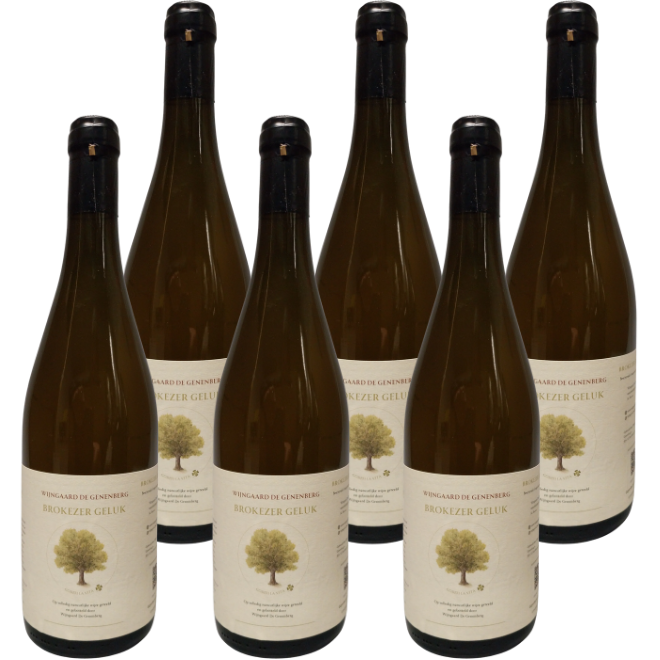
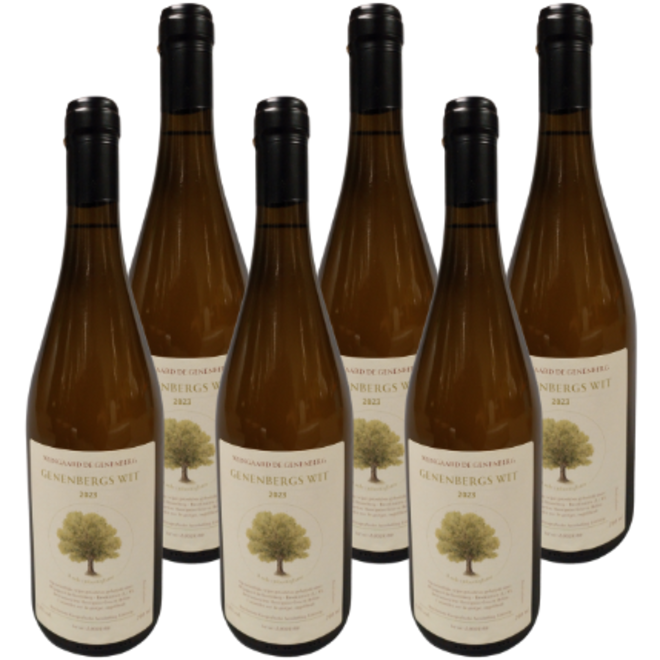
Dutch white wine is where the country is strongest. The cool climate brings fresh acidity and lots of aroma. Think of the Genenbergs Wit made from Souvignier Gris and Helios, or the fragrant Brokezer Geluk made from Muscaris and Bronner. View all Dutch white wines.
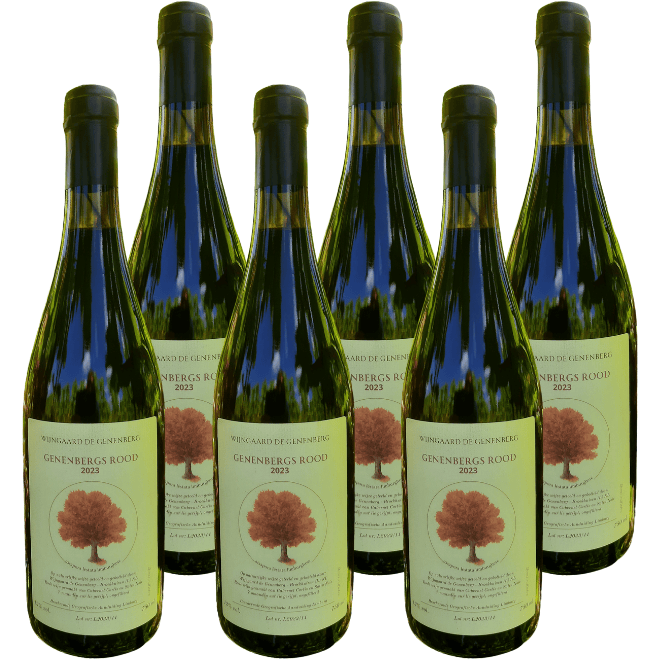
Dutch red wine is lighter and fruitier than red from southern Europe. Winemakers work with Pinot Noir and with new red grapes such as Regent, Cabernet Cortis and Cabaret Noir. Try the Genenbergs Rood or the smooth Esker Rood Cabaret Noir. View all Dutch red wines.
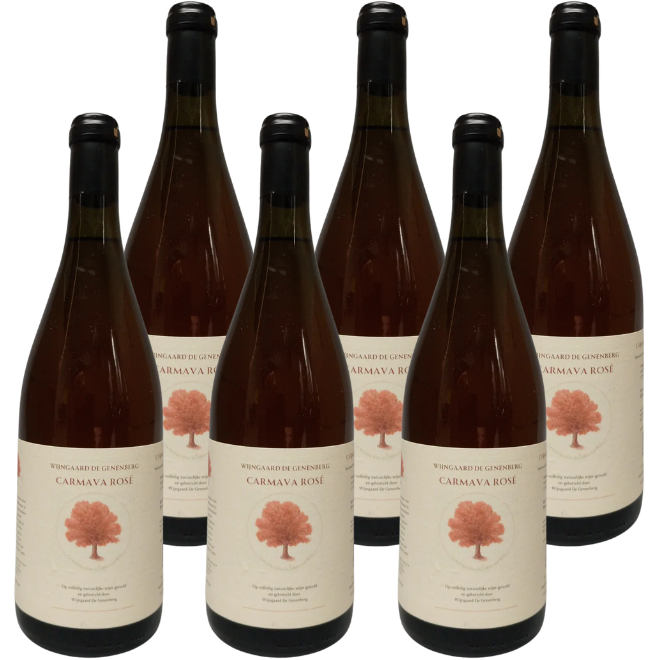
Dutch rosé is fresh, fruity and light, like the Carmava Rosé made from Cabernet Cortis in Limburg and the Esker Rosé Blend from Twente. Looking for something special? Try the 'Mistiek' Wit from Wijngaard de Plack: a white wine made from the red Cabaret Noir grape, with a light orange glow.
Dutch sparkling wine may be the biggest surprise. The cool climate gives exactly the fresh acidity that good bubbles need. You can read more about it below. View all Dutch sparkling wines.
Where does Dutch wine come from?
Wine from the Netherlands comes from almost every province, from Zeeland to Friesland. Still, a few areas have a character of their own.
South Limburg is the best known wine region in the Netherlands. The hill country has sunny slopes and a chalky soil of loess and marl. Domein Holset has its heart around the village of Holset, at about 180 metres above sea level at the foot of the Vaalserberg. That higher location gives a fresh microclimate, ideal for sparkling wine.
North Limburg lies along the Meuse. In Broekhuizen, Wijngaard de Genenberg makes organic wine on a soil of loamy sand and river clay. This family vineyard mainly grows PIWI grapes such as Souvignier Gris, Helios and Satin Noir.
Gelderland has many vineyards, from the Betuwe to the Achterhoek. On the hills near Groesbeek lies Wijngaard de Plack, a family business that planted its first vines in 2006. They make fresh, dry wines from grapes including Johanniter, Pinot Gris and Cabaret Noir. Want to taste everything from this winemaker? Choose the Wijngaard de Plack Tasting Case.
Overijssel shows that wine also works well in the east of the country. In the north of Twente, right on the German border, the vineyard of Eskerwijn lies on the Mandjesberg. This hill is an esker: a ridge of sand, gravel and stones formed under a glacier in the Ice Age. The mineral-rich soil drains well, and you can taste that in elegant wines from Chardonnay, Pinot Noir and Riesling.
PIWI grapes: the new grapes of the Netherlands
A lot of Dutch wine is made from PIWI grapes. PIWI comes from the German 'pilzwiderstandsfähig', meaning resistant to fungal disease. In the damp Dutch climate that is a big advantage. The winemaker needs to spray far less, which makes the wine more sustainable. The best known PIWI grapes in the Netherlands:
- Johanniter: fresh white with citrus and green apple. Taste it in the Gruusbèks Wit.
- Solaris: ripens very early and gives aromatic white wine with tropical fruit. That is why you see it a lot in the north.
- Souvignier Gris: a grape with a pinkish skin that gives fresh yet full white wine, like the Genenbergs Wit. It is also part of the lightly sparkling Esker Parel Rosé.
- Cabernet Blanc: fresh, herbal white reminiscent of Sauvignon Blanc. Try the Esker Wit Cabernet Blanc.
- Muscaris: fragrant, with notes of muscat and flowers.
- Regent, Cabernet Cortis and Cabaret Noir: red grapes for red and rosé, with dark fruit and a spicy touch.
Chardonnay, Pinot Noir and Riesling from the Netherlands
The best sites also grow the classic European grapes. Chardonnay gives taut, fresh wine in the Netherlands, and in oak it becomes full and refined, like the Esker Wit Chardonnay Barrique. Pinot Noir loves a cool climate and gives light, elegant red. Together with Chardonnay it is also the base of many Dutch sparkling wines. Riesling brings tension and freshness, for example in the Esker Parel Wit, a lightly sparkling wine made from Chardonnay and Riesling.
Dutch sparkling wine
Fresh acidity is the basis of good sparkling wine, and that is where the Netherlands excels. The best Dutch sparkling wines are made using the traditional method, just like champagne. The wine ferments a second time in the bottle and then ages for a long time on the lees. That gives it fine bubbles and notes of brioche.
Domein Holset in South Limburg makes only sparkling wine. The Classic Brut is a cuvée of 60% Chardonnay and 40% Pinot Noir. Want to taste the whole range, from rosé to zero dosage? Choose the Domein Holset Tasting Case. In Twente, Eskerwijn makes the Esker Sekt Cuvee from Pinot Noir, Chardonnay and Riesling, aged for 18 months in the bottle. Looking for something lighter? The lightly sparkling Parel wines from Eskerwijn are a lovely choice for the terrace.
Which Dutch wine goes with which dish?
- Asparagus, fish and mussels: a fresh Dutch white wine from Johanniter, Souvignier Gris or Cabernet Blanc.
- Young cheese and goat's cheese: a dry white wine or a light rosé.
- Chicken, pork and mushrooms: a light Dutch red or a Pinot Noir.
- Smoked salmon and prawns: Dutch rosé or a traditional method brut.
- As an aperitif: sparkling wine from Limburg or Twente.
How do you choose a good Dutch wine?
The best Dutch wine is the one that suits your taste. If you like Sauvignon Blanc, try Cabernet Blanc or Johanniter. If you love Riesling, a fresh Souvignier Gris will suit you well. If you love champagne, choose the sparkling wines from Domein Holset or Eskerwijn. And if you like light reds, start with Pinot Noir or a fruity PIWI red.
Dutch wine comes from small vineyards where a lot of work is done by hand. That is why it usually costs a little more than a supermarket wine. In return you buy wine made close to home, often sustainably and sometimes organically, and the money goes to the winemaker.
Still not sure? A tasting case is the easiest way to discover what you like. With the Netherlands Tasting Case you taste the range of one vineyard, from sekt to red. The Netherlands White Tasting Case is ideal if you love fresh whites, and the Dutch Organic Tasting Case if you choose organic. Already know a winemaker? Each vineyard has its own case, such as the Wijngaard de Genenberg Tasting Case and the Eskerwijn Tasting Case.
Would you rather taste Dutch wine first? Every month there is a wine tasting in our shops in Utrecht and Amsterdam, with the story of the maker included. View the tasting agenda.



 Under €15
 PIWI
 Barrique
 Limburg bubbles


 Fine bubbles
 Organic and PIWI
 Fresh and fruity
 Elegant and mineral