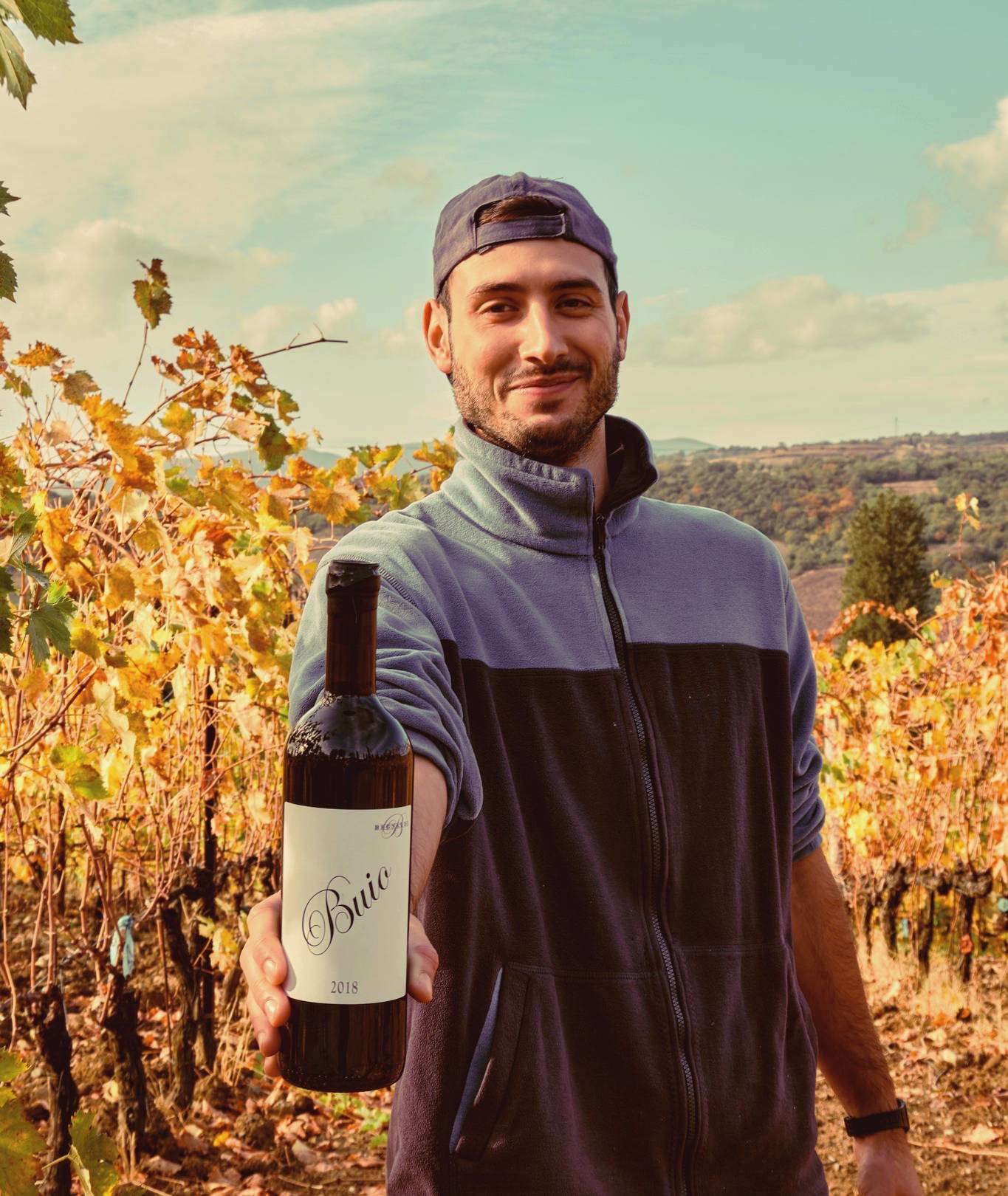
Buy Nebbiolo wine directly from the winemaker
Nebbiolo is the noblest red grape of northwest Italy. It is the grape behind Barolo and Barbaresco, but also behind juicy Langhe Nebbiolo, mountain wines from Valtellina and fresh reds from northern Piedmont. Getting to know Nebbiolo means discovering a grape with a pale colour, an enchanting scent of roses and cherries and a surprisingly firm structure. On this page you will find all the Nebbiolo on ONWINE, from young and juicy to powerful and mature.
At ONWINE you buy Nebbiolo directly from the winemaker, with no importer in between. You put together a case of six bottles per winemaker and pay €8 shipping per case.
What kind of grape is Nebbiolo?
The name probably comes from nebbia, fog: when the grapes are picked in late October, fog hangs over the hills of Piedmont. The grape is already mentioned in 1268 in a document from Rivoli, making it one of the oldest known grapes of Italy. Nebbiolo buds early and ripens very late, so it gets the best south facing slopes. It is demanding and reacts strongly to soil and climate, which is why it rarely convinces outside northern Italy.
Clones and local names
Within the variety there are clones such as Lampia and Michet, which winemakers often plant side by side. In northern Piedmont Nebbiolo is called Spanna, in Valtellina Chiavennasca, and in the Aosta Valley and Carema Picotendro. It is always the same grape, just with a different name on the label.
What does Nebbiolo taste like, and why is it so pale?
Nebbiolo smells of roses, violets, cherry, raspberry and herbs. With age come tar, liquorice, leather, truffle and dried flowers. On the palate the wine is dry, with fresh acidity and plenty of tannin. The colour is a clear garnet that quickly turns orange. That is because Nebbiolo has little stable pigment in its skins while being rich in tannin. So with this grape, a pale colour does not mean a light wine.
Barolo, Barbaresco or Langhe Nebbiolo?
In the Langhe around Alba, Nebbiolo makes its most famous wines. The choice depends on how long you want to wait and what you are looking for.
Barolo and Barbaresco
Barolo is the most powerful expression of the grape and ages for years before release. Everything about its villages, crus and ageing rules is on the page about Barolo. View all Barolo →
Barbaresco lies a little further east, closer to the Tanaro river. The wine is usually finer and approachable sooner, but just as serious. View all Barbaresco →
Langhe Nebbiolo
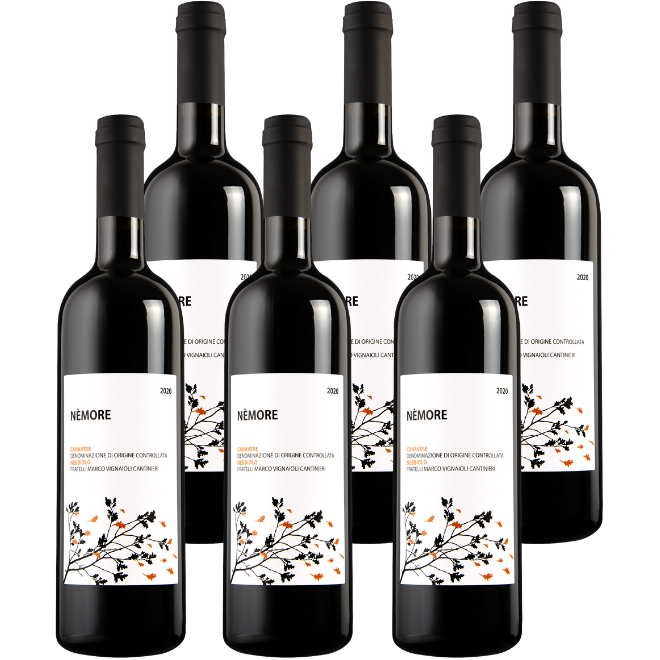
Langhe Nebbiolo is Nebbiolo from across the Langhe, with at least 85% Nebbiolo. It often comes from younger vines or from plots just outside Barolo and Barbaresco. The wine is younger, juicier and more friendly in price, and you can drink it after just a few years. View all Langhe Nebbiolo →
Nebbiolo d'Alba
Nebbiolo d'Alba is always 100% Nebbiolo, from villages around Alba and the Roero. On the sandier soils of the Roero, across the Tanaro, the wine turns fragrant, round and soft. The Roero also has its own DOCG for Nebbiolo. View all Nebbiolo d'Alba →
Where does Nebbiolo grow outside the Langhe?
Nebbiolo grows in several more places in northern Italy, always in the cool air of the Alps.
Alto Piemonte: Gattinara and Ghemme
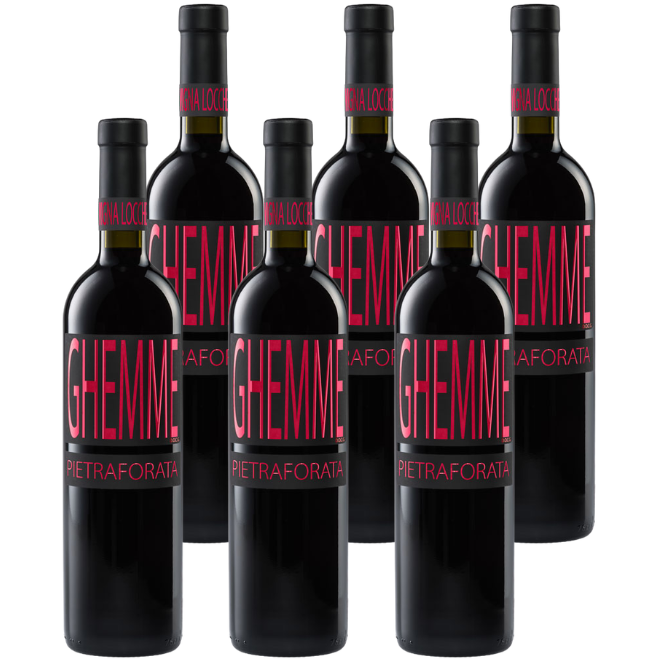
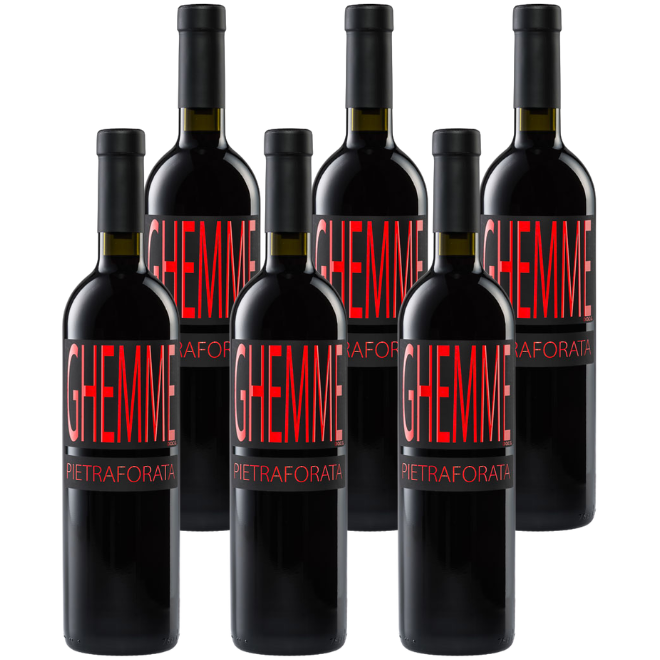
In Alto Piemonte, at the foot of Monte Rosa, winemakers make Gattinara, Ghemme, Boca, Lessona and Bramaterra. The wines are fresher and tighter, often with a little Vespolina or Uva Rara. In Gattinara the grape grows on ancient volcanic rock, in Ghemme on glacial soil. Il Chiosso, for example, makes a Gattinara DOCG here.
Valtellina in Lombardy
In Valtellina, Nebbiolo grows as Chiavennasca on steep terraces above the Adda river, held up by dry stone walls. The wines are slender, spicy and mineral, carrying subzone names such as Sassella, Grumello and Inferno. Sforzato is the powerful version made from dried grapes. Nera Vini works in this mountain zone.
Aosta Valley
In the Aosta Valley, Nebbiolo is the base of Donnas, a fresh, fine mountain wine from some of the highest vineyards in Europe. Caves de Donnas is the best known name here.
Which Nebbiolo suits you?
Looking for a fruity Nebbiolo with dinner on a weeknight? Choose a Langhe Nebbiolo or a Nebbiolo d'Alba. For a wine to cellar and open on a special occasion, a Barolo or Barbaresco is the logical step. If you love freshness and a tight, mineral style, try Nebbiolo from Alto Piemonte or Valtellina. There are also rosato and sparkling wines made from Nebbiolo. Winemakers such as Mauro Sebaste and Aimasso make several Nebbiolo styles side by side, so you can compare the grape within one estate.
Storing, serving and pairing Nebbiolo with food
Drink a Langhe Nebbiolo within five years. Gattinara and Valtellina Superiore can last ten years or more, a good Barolo or Barbaresco twenty years and beyond. Serve Nebbiolo at 16 to 18 degrees in a large glass and give a young, powerful wine an hour of air in a decanter.
Nebbiolo asks for food with flavour and fat: risotto and pasta with truffle, game, braised meat, ossobuco, duck and aged cheeses. A young Langhe Nebbiolo also works with poultry, mushrooms and cured meats. For something with less tannin, look at Barbera, Piedmont's other grape, or explore all Italian red wines.
Frequently asked questions about Nebbiolo
What is Nebbiolo wine?
Nebbiolo wine is red wine from the Nebbiolo grape of northwest Italy, mainly Piedmont. The best known are Barolo and Barbaresco, but Langhe Nebbiolo, Nebbiolo d'Alba, Gattinara and Valtellina are Nebbiolo too. The wine is pale in colour, smells of roses and cherry and has plenty of tannin and fresh acidity.
Is Barolo a Nebbiolo?
Yes, Barolo is always made from 100% Nebbiolo. Barolo is the name of the zone and the appellation, Nebbiolo the name of the grape. The same goes for Barbaresco. A bottle with Nebbiolo on the label, such as Langhe Nebbiolo, is usually younger and juicier than a Barolo.
What is the difference between Langhe Nebbiolo and Nebbiolo d'Alba?
Langhe Nebbiolo may come from anywhere in the Langhe and contains at least 85% Nebbiolo. Nebbiolo d'Alba is always 100% Nebbiolo and comes from villages around Alba and the Roero, often from sandier soils. Both are younger and more approachable than Barolo or Barbaresco, and more affordable.
What does Nebbiolo taste like?
Nebbiolo tastes dry and fragrant, with notes of roses, violets, cherry and herbs. The tannins are firm and the acidity fresh, so the wine lingers for a long time. With age, tar, liquorice, leather and truffle come forward. Young Langhe Nebbiolo is fruitier, Barolo more powerful.
Why is Nebbiolo so light in colour?
Nebbiolo has little stable pigment in its skins, so the wine never turns deep purple. At the same time it is rich in tannin. A pale, garnet colour is therefore normal for Nebbiolo and says nothing about the power of the wine. With age the rim turns orange.
Where does Nebbiolo grow?
Nebbiolo grows mainly in Piedmont: in the Langhe (Barolo, Barbaresco, Langhe Nebbiolo), the Roero and Alto Piemonte (Gattinara, Ghemme). It also grows in Valtellina in Lombardy, where it is called Chiavennasca, and in the Aosta Valley. Outside northern Italy, good Nebbiolo is rare.
What are Spanna and Chiavennasca?
Spanna and Chiavennasca are local names for Nebbiolo. Spanna is used in Alto Piemonte, around Gattinara and Ghemme. Chiavennasca is the name in Valtellina, in Lombardy. In the Aosta Valley and Carema the grape is called Picotendro. It is always the same grape, with its own mountain style.
How long can you age Nebbiolo?
It depends on the style. Drink a Langhe Nebbiolo within five years. Gattinara and Valtellina Superiore can age for ten years or more. A good Barolo or Barbaresco lasts twenty years and beyond. Store the bottle lying down, in the dark and at 12 to 14 degrees.
What goes with Nebbiolo?
Nebbiolo suits rich, savoury food: risotto and pasta with truffle, game, braised meat, ossobuco, duck and aged cheeses. Because of its firm tannins, the wine asks for protein and fat. A young Langhe Nebbiolo is also lovely with poultry, mushrooms and cured meats.
What does shipping cost?
You order a case of six bottles per winemaker, mixed as you like. Shipping is €8 per case and the wine comes straight from the winemaker to you.


 Langhe
 Barbaresco
 Barolo
 Gattinara