Seen 40 of the 40 products
The Thermenregion at a glance Location: Lower Austria, from the southern edge of Vienna to Wiener NeustadtSize: around 1,900 hectares of vineyardsClimate: warm and dry, around 1,800 hours of sunshine a yearSoil: chalky loam in the north, gravel in the southWhite: Zierfandler, Rotgipfler, Neuburger, Pinot Blanc and ChardonnayRed: St. Laurent, Pinot Noir, Zweigelt and Blauer PortugieserDesignation of origin: Thermenregion DACWhere is the Thermenregion? The Thermenregion lies in Lower Austria, along the eastern edge of the Vienna Woods. It starts at the southern edge of Vienna near Perchtoldsdorf and runs via Gumpoldskirchen, Baden and Bad Vöslau to Wiener Neustadt. The Anninger is the highest point of the range of hills against which the vineyards lie. The name refers to the thermal springs of Baden, where the Romans already built baths. Winegrowing here also goes back more than 2,000 years.
Climate and soil The Vienna Woods shelter the vineyards from cold northerly winds, while warm air from the Pannonian Plain flows in freely. Summers are hot and dry, with around 1,800 hours of sunshine and about 650 millimetres of rain a year. This makes for ripe, full wines. In the north, around Gumpoldskirchen, heavy chalky soils are ideal for white wine. In the south, around Tattendorf, stony gravel soils dominate; they hold the warmth and are especially well suited to red wine.
Which wines come from the Thermenregion? The Thermenregion is one of Austria's most versatile wine regions, with a clear divide: white in the north, red in the south.
White wine: Zierfandler, Rotgipfler and Neuburger The white calling card of the Thermenregion is two rare grapes you will hardly find anywhere else: Zierfandler, also called Spätrot, and Rotgipfler . They make full, aromatic white wines and are also blended into the classic Spätrot-Rotgipfler. Alongside them grow Neuburger, a typically Austrian grape with a soft, nutty character, as well as Pinot Blanc (Weißburgunder) and Chardonnay. Gemischter Satz is also part of the region's tradition.
Red wine: St. Laurent and Pinot Noir On the warm gravel soils around Tattendorf, mainly St. Laurent and Pinot Noir grow, the latter called Blauburgunder here. They make elegant, fruity red wines with fine tannins. Zweigelt and the light Blauer Portugieser are other important red grapes, and winemakers also make powerful red blends with Cabernet Sauvignon and Merlot.
Rosé and Sekt Thanks to the red grapes and the fresh acidity from the chalky soils, the Thermenregion also produces rosé and sparkling wine, often from Pinot Noir or Zweigelt.
Thermenregion DAC: what is on the label? Since the 2023 vintage, the Thermenregion has been a DAC region. DAC stands for Districtus Austriae Controllatus: a protected designation of origin for wine typical of its region. The Thermenregion was the last Austrian wine region to join this system. There are three levels:
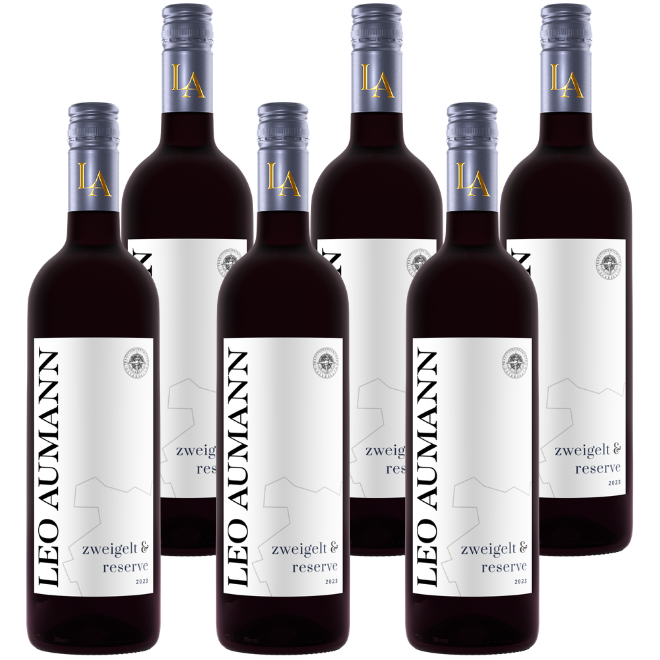
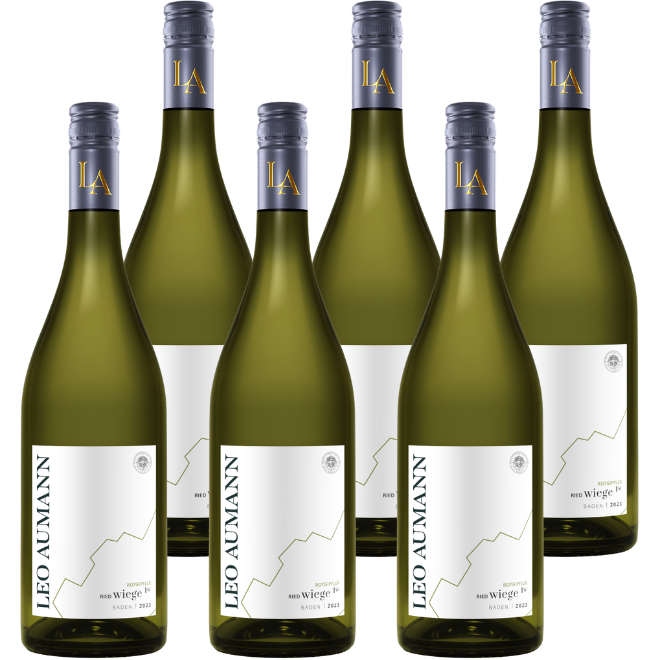
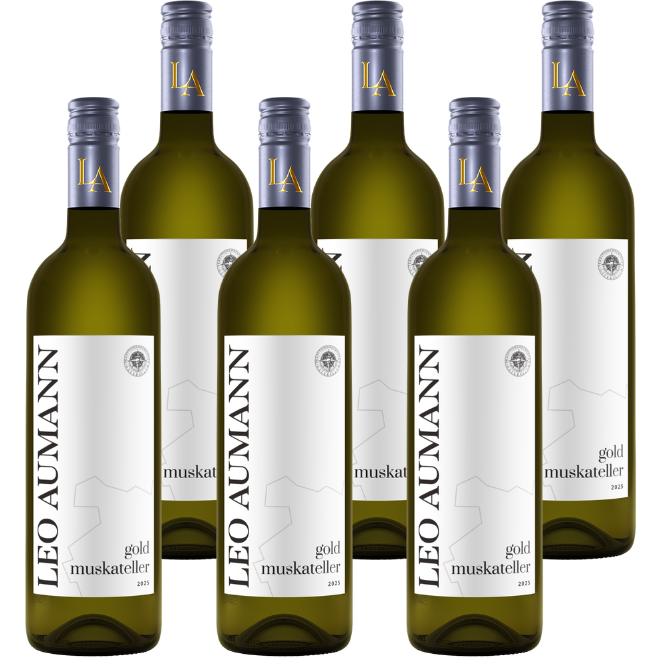
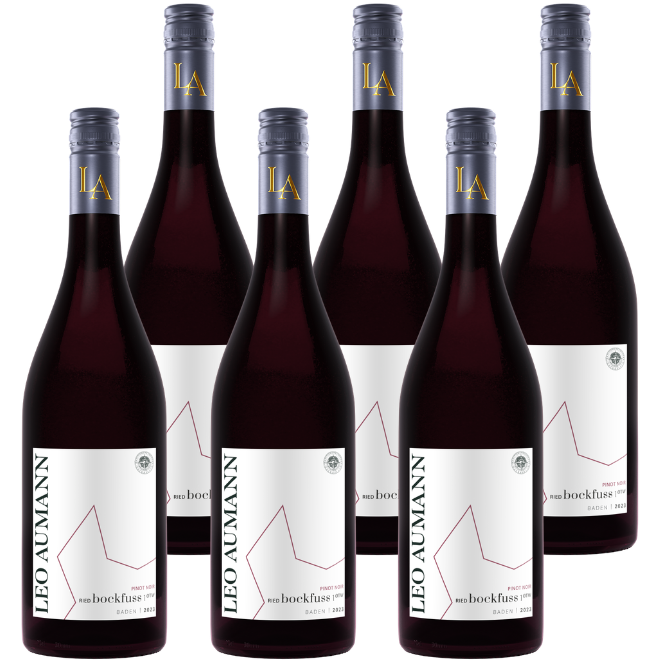
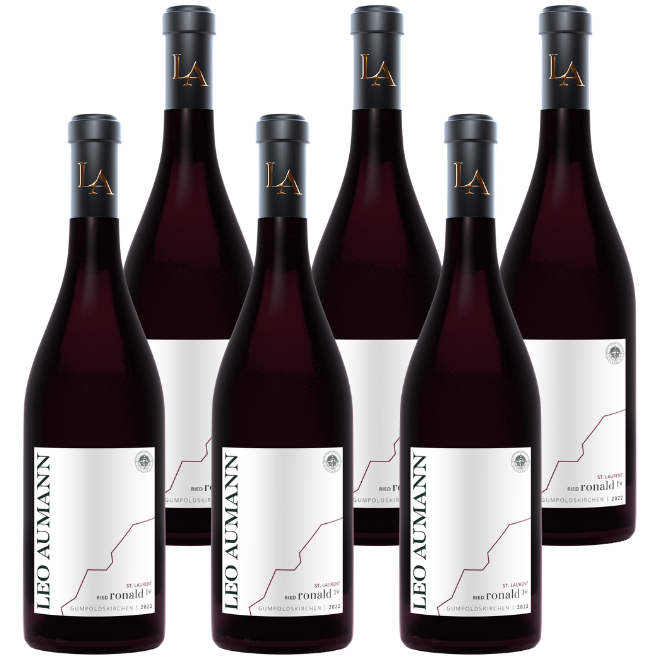
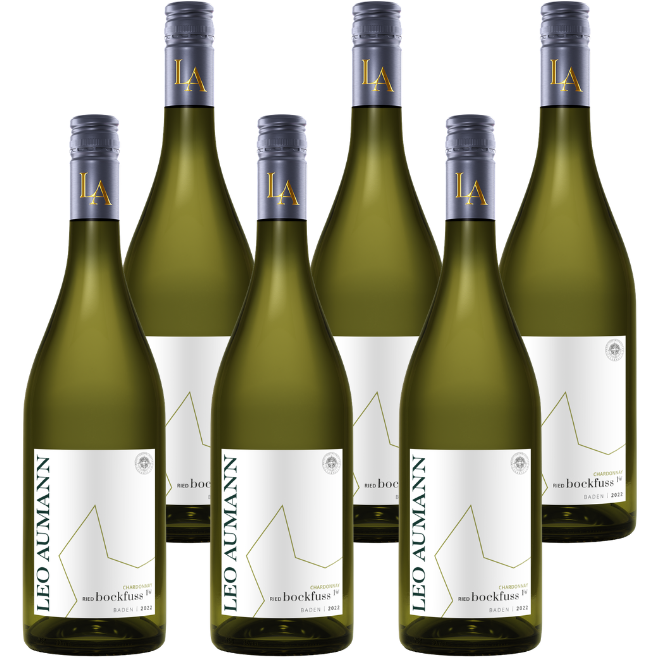
Gebietswein (regional wine): wine from the whole region, labelled Thermenregion DAC. Neuburger, Blauer Portugieser and Gemischter Satz are also allowed here.Ortswein (village wine): wine from one village, such as Gumpoldskirchen, Tattendorf, Perchtoldsdorf, Bad Vöslau or Wiener Neustadt.Riedenwein (single-vineyard wine): wine from one vineyard (Ried), only from Zierfandler, Rotgipfler, Pinot Blanc, Chardonnay, St. Laurent and Pinot Noir.Thermenregion wineries at ONWINE Weingut Leo Aumann from Traiskirchen Weingut Leo Aumann works from Traiskirchen and makes wines from top vineyards around Baden and Gumpoldskirchen, from Rotgipfler and Zierfandler to St. Laurent and Pinot Noir. Several wines carry the 1ÖTW designation for an Erste Lage of the Österreichische Traditionsweingüter.
Weingut Fischer from Sooß Weingut Fischer from Sooß, near Baden, works organically. The estate makes both classic Thermenregion wines such as Rotgipfler and Zweigelt and powerful red wines in its '100 Cases' range.
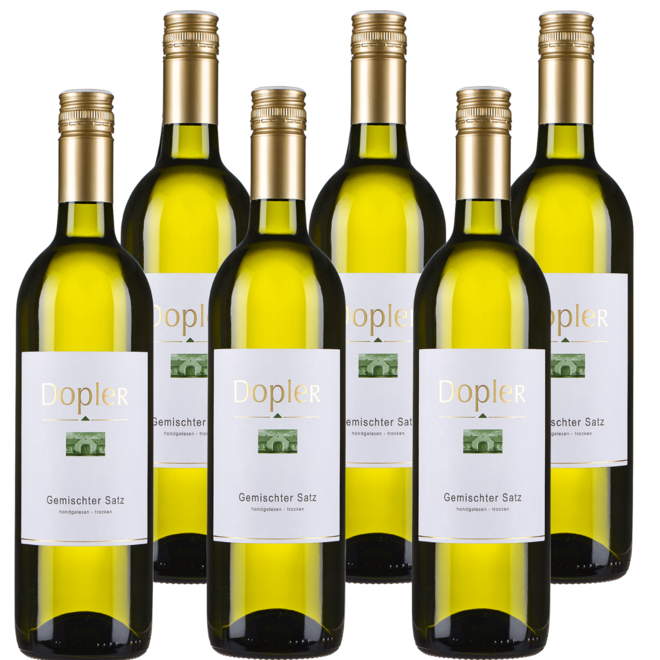
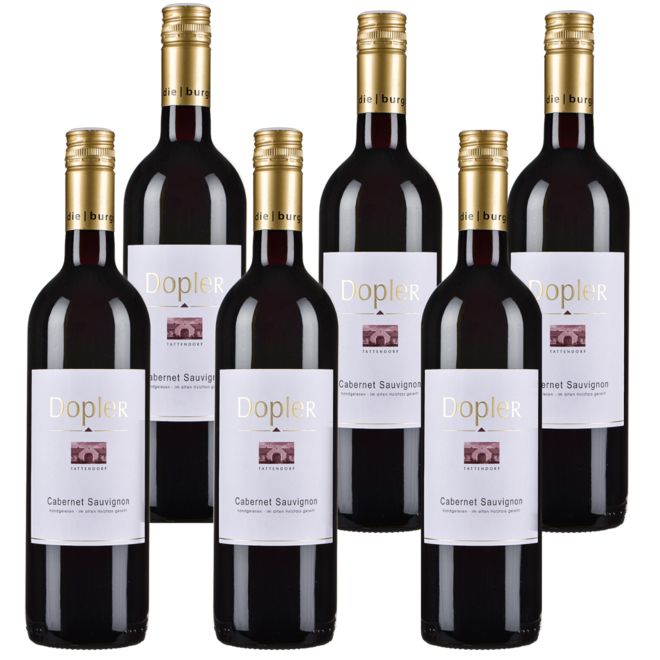
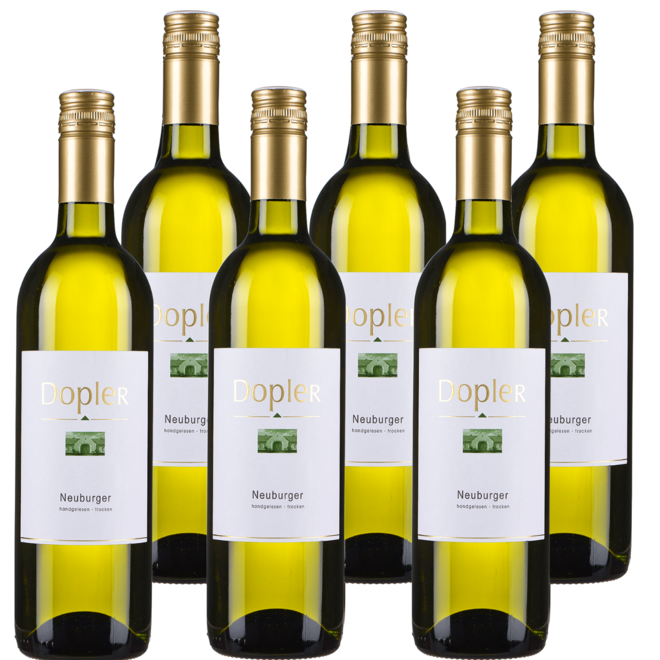
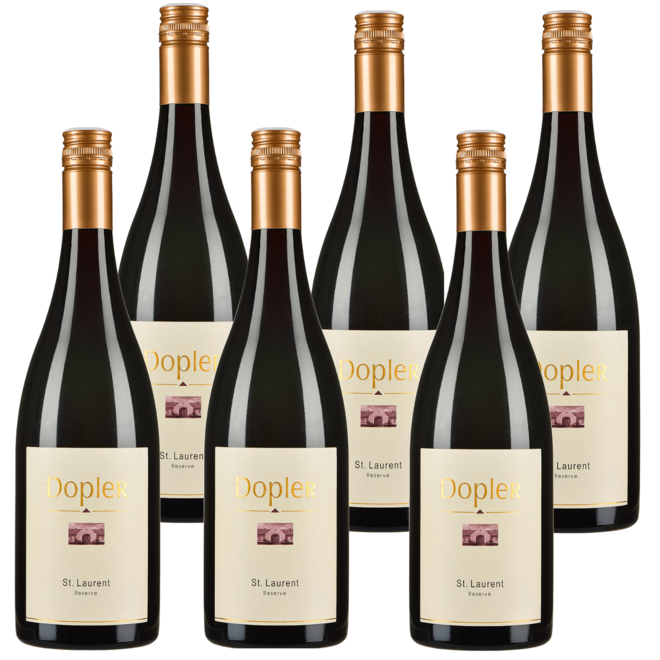
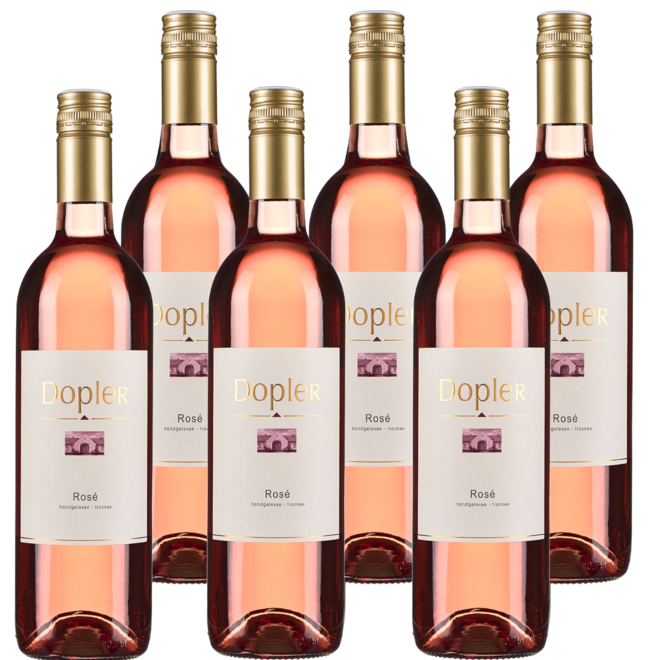
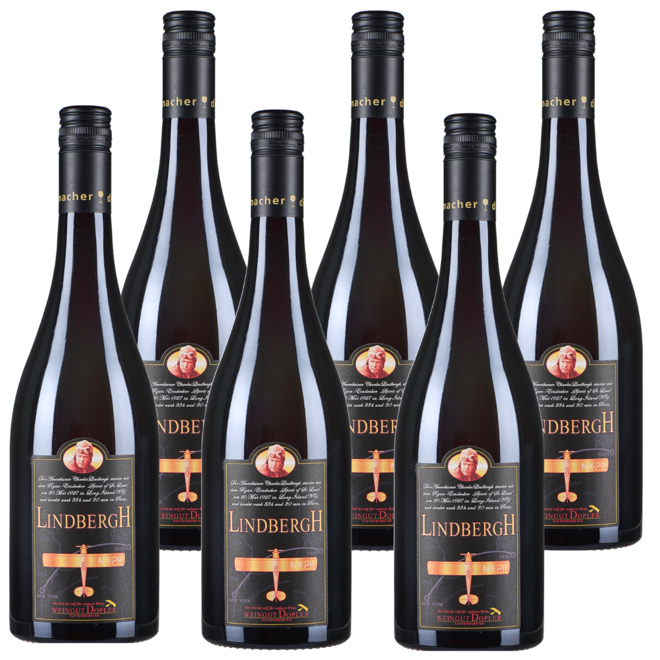
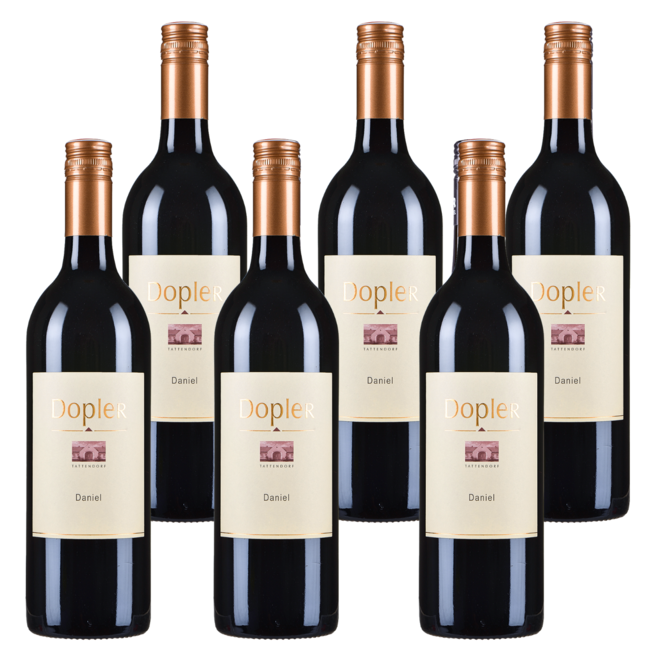
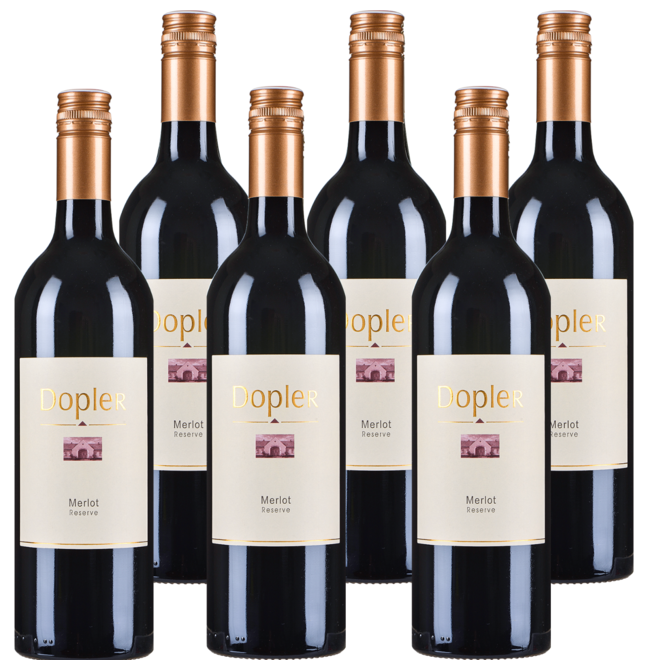
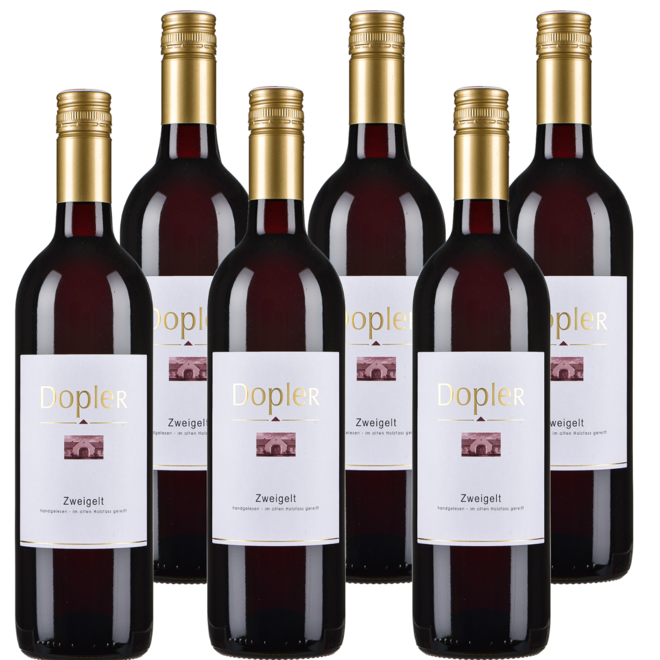
Weingut Dopler from Tattendorf Weingut Dopler is based in Tattendorf, the red heart of the Thermenregion. The vineyards are tended entirely by hand. Dopler is known for Burgundian varieties such as St. Laurent and Pinot Noir, and also makes fresh white wine, Sekt and PétNat.
Each winemaker also offers a tasting case, ideal for getting to know the Thermenregion.
Where to buy Thermenregion wine At ONWINE you buy wine directly from the winemaker, and on our winemakers page you can read who is behind each wine. Shipping is free from 12 bottles from the same winemaker. Want to explore further? Then also browse our Austrian red wine and Austrian white wine .
View all Austrian wine →
Frequently asked questions about the Thermenregion Why is it called the Thermenregion? The name refers to the thermal springs of Baden near Vienna. The Romans already built baths there, and the spa town of Baden is still the centre of the region.
Which wine is typical of the Thermenregion? Typical are the white specialities Zierfandler and Rotgipfler, often blended as Spätrot-Rotgipfler, and the red grapes St. Laurent and Pinot Noir. Gumpoldskirchen is known for white wine, Tattendorf for red.
What is Neuburger? Neuburger is a white Austrian grape. According to DNA analysis, it is probably a spontaneous cross of Silvaner and Roter Veltliner. Neuburger makes mild, full white wines with a fine, nutty flavour. The Thermenregion is the most important region for this grape.
What is the difference between Thermenregion and Thermenregion DAC? Thermenregion is the name of the wine region. Thermenregion DAC is the protected designation of origin on the label, from the 2023 vintage. A DAC wine must be made from the grapes permitted for its level.
What does 1ÖTW mean on the label? 1ÖTW stands for Erste Lage of the Österreichische Traditionsweingüter, an association of wine estates that classifies the best vineyards in their region. A 1ÖTW wine therefore comes from a top vineyard.