Buying Austrian wine: everything you need to know
Austria is not a big wine country, but it is one of the most exciting in Europe. On the terraces along the Danube, in the hills south of Vienna and around Lake Neusiedl, family wineries make fresh, precise wines with plenty of character. At ONWINE you buy Austrian wine directly from those winemakers. No importer, no middlemen. So you know exactly where your wine comes from and who made it, and the winemaker gets a fair price.
On this page you'll find all the wine from Austria available on ONWINE, from a juicy Grüner Veltliner from the Kremstal for every day to a rich Smaragd from the Wachau for a special moment. Below you can read how to choose the Austrian wine that suits you.
Types of Austrian wine: white, red, rosé and sparkling
Austrian white wine is what the country is famous for. Grüner Veltliner is the big name, but Riesling, Sauvignon Blanc, Weissburgunder (Pinot Blanc) and Gelber Muskateller also excel here. The style is usually dry, fresh and pure. View all Austrian white wines.
Austrian red wine is a surprise for many wine lovers. Zweigelt is smooth and fruity, Blaufränkisch firm and spicy, St. Laurent velvety with dark fruit. The warm Thermenregion also produces beautiful Pinot Noir, such as the Pinot Noir BIO from Weingut Fischer. View all Austrian red wines.
Austrian rosé is often made from Zweigelt: fresh, dry and full of red fruit. Try the Rosé vom Zweigelt from Winzerhof Fink or the Zweigelt Rosé Trocken from Weingut Dopler.
Austrian sparkling wine is called Sekt. Winemakers make it with the same care as their still wines, like the 'Der Sekt' Pinot Noir Brut from Weingut Dopler and the Sekt Rosé Brut from Tonwerk.
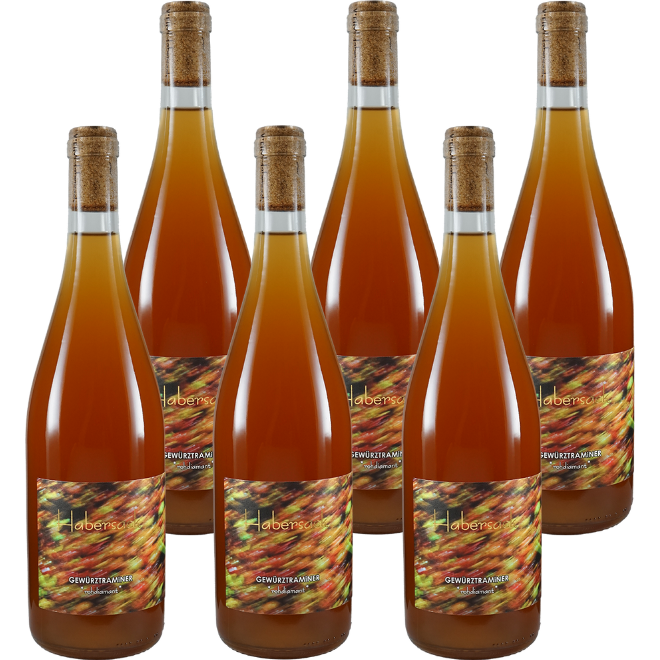
Organic and natural wine are well established in Austria. Many family wineries work organically, such as Weingut Fischer and Weingut Valentin Oppenauer in the Weinviertel. If you like something different, try the *rohdiamant* Blaufränkisch from Weingut Habersack or the Malvasier Tradition from Weingut Hindler: wines made with as little intervention as possible. Also view all organic wines and natural wines on ONWINE.
The most important Austrian wine regions
Almost all Austrian wine comes from the east of the country, around Vienna and along the borders with Hungary and Slovenia.
Wachau is the best known wine region: steep stone terraces along the Danube, on ancient primary rock. It produces concentrated Grüner Veltliner and Riesling with lots of minerality. Weingut Schwaiger in Wösendorf makes everything from light Steinfeder to powerful Smaragd.
Kremstal and neighbouring Kamptal lie just downstream. On deep loess soils, juicy and spicy Grüner Veltliner grows. Winzerhof Fink makes approachable wines here, such as the Grüner Veltliner vom Löss.
Weinviertel, north of Vienna, is Austria's largest wine region. Its Grüner Veltliner has the typical 'Pfefferl', a hint of white pepper. Try the Öhlberg Reserve from Weingut Hindler or the Weinviertel DAC Klassik from Weingut Pleil.
Thermenregion, south of Vienna, is warm with limestone soils. Around Tattendorf and Sooß, Pinot Noir and St. Laurent thrive, around Gumpoldskirchen the rare white grapes Rotgipfler and Zierfandel. Weingut Leo Aumann makes the Zierfandel Ried Hofbreite there.
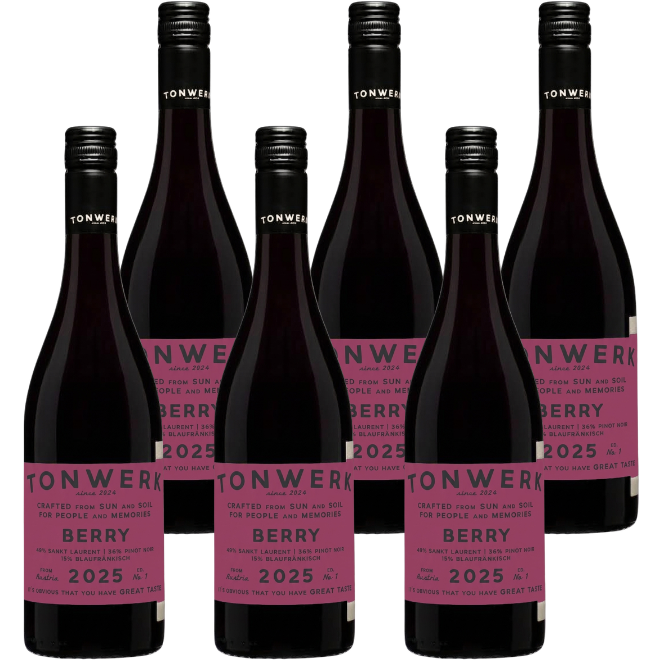
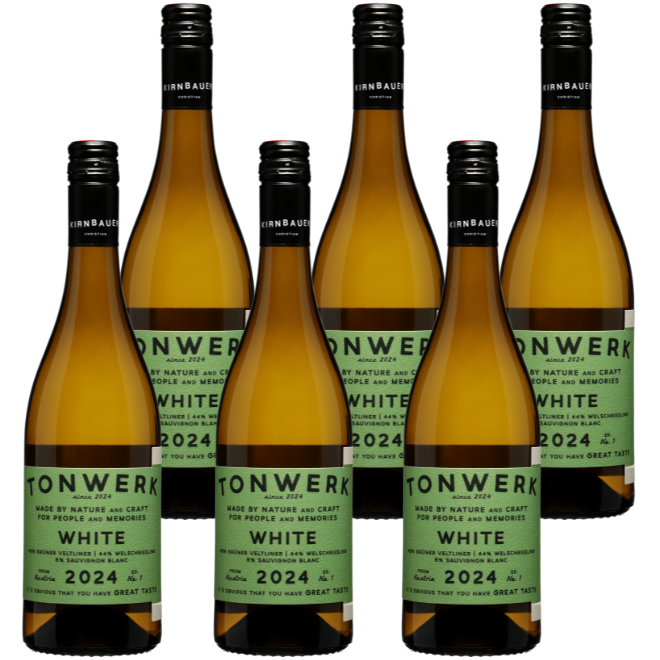
Burgenland in the sunny east is red wine country. Weingut Habersack works on Lake Neusiedl, Tonwerk in Deutschkreuz in Mittelburgenland.
Southern Styria (Südsteiermark) lies in the south, right on the Slovenian border. Steep green hills and cool nights give aromatic Sauvignon Blanc and Gelber Muskateller. This is home to Weingut Potzinger and Walter Polz.
Grüner Veltliner: Austria's signature grape
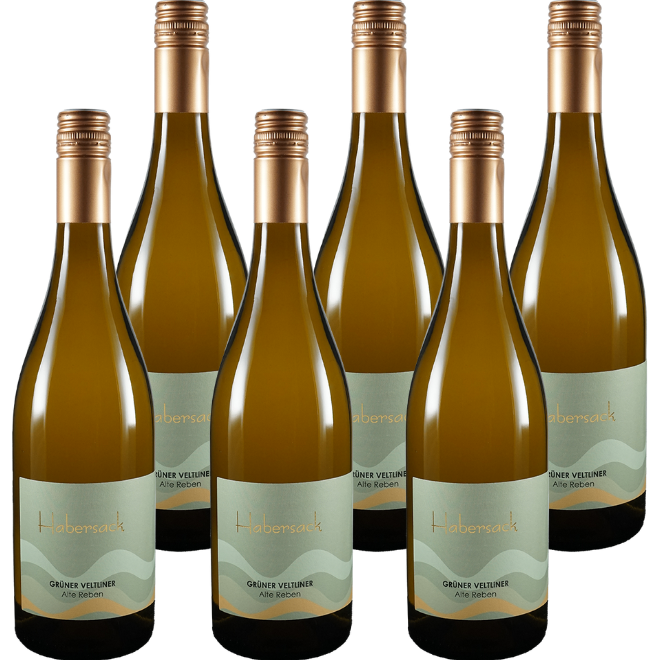
Grüner Veltliner is the most widely planted grape in Austria and the wine that made the country famous worldwide. The wine is fresh and dry, with notes of green apple, citrus and white pepper. Young Grüner Veltliner is light and lively, while a Reserve or Smaragd is fuller and richer and can age for years. Put the light Silberknollen Steinfeder next to the powerful Smaragd Ried Bachsatz from the same winemaker and you'll taste the difference right away.
Besides Grüner Veltliner, Austria makes excellent Riesling, such as the Riesling Federspiel Ried Kollmütz from the Wachau. And Gemischter Satz is a true Austrian tradition: different grape varieties grow mixed in one vineyard and are harvested and vinified together, as in the Gemischter Satz Ried Wienerfeld.
Zweigelt, Blaufränkisch and St. Laurent
Zweigelt is the most widely planted red grape in Austria. It was created in 1922 as a cross between Blaufränkisch and St. Laurent. Zweigelt gives smooth, juicy red wine with cherry and a light spiciness, like the Zweigelt vom Löss from Winzerhof Fink.
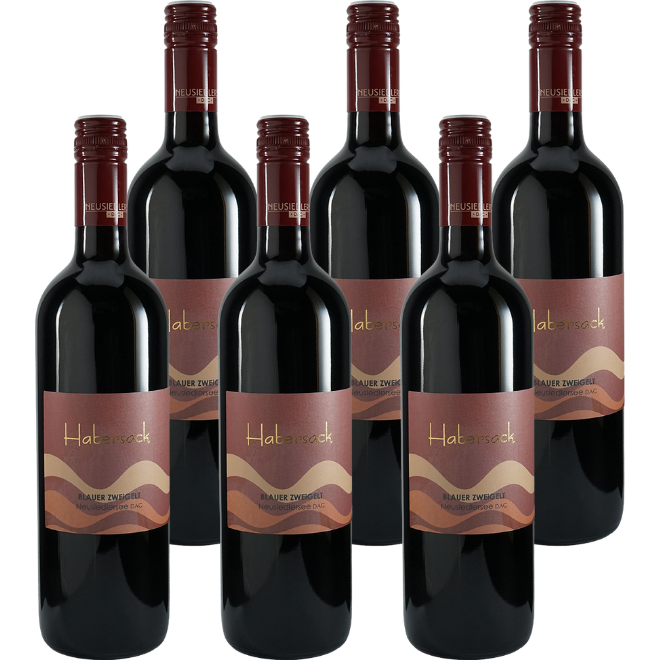
Blaufränkisch is the pride of Burgenland: firm, spicy and with fresh acidity, with blackberry and black pepper. In Germany it is called Lemberger, in Hungary Kékfrankos. Try the Blaufränkisch Trocken from Weingut Habersack or, for a special moment, the '100 Cases' Blaufränkisch from Weingut Fischer.
St. Laurent is related to Pinot Noir: velvety, with dark cherry and a soft structure. Taste the St. Laurent Ried Prädium from Weingut Habersack. Lighter and fruitier is Blauer Portugieser, such as the Blauer Portugieser DAC Thermenregion from Weingut Dopler.
DAC, Ried and Steinfeder, Federspiel, Smaragd
Austria has one of the strictest wine laws in Europe. These are the terms you'll find on the label:
- DAC (Districtus Austriae Controllatus): a designation of origin for the typical wine of a region, such as Weinviertel DAC for Grüner Veltliner or Südsteiermark DAC.
- Ried: the name of a specific vineyard site. A Ried wine comes from a single site.
- 1ÖTW: a site classified as Erste Lage, a top site, by the Österreichische Traditionsweingüter, as with the Rotgipfler Ried Wiege 1ÖTW from Leo Aumann.
- Steinfeder, Federspiel and Smaragd: the three style categories of the Wachau. Steinfeder is light (up to 11.5% alcohol), Federspiel elegant (11.5 to 12.5%) and Smaragd full and powerful (from 12.5%).
- Reserve: a fuller wine from riper grapes, often with a little more ageing.
Which Austrian wine goes with which dish?
- Wiener schnitzel and fried fish: a fresh Grüner Veltliner.
- Asian and spicy food: a Riesling or an aromatic Gelber Muskateller.
- Asparagus, goat's cheese and salads: a Sauvignon Blanc from Southern Styria.
- Grilled meat and stews: a Blaufränkisch or a Zweigelt Reserve.
- Duck, game and mushrooms: a St. Laurent or Pinot Noir.
- With dessert: a sweet Riesling Novemberlese.
How do you choose a good Austrian wine?
The best Austrian wine is the one that suits your taste. If you like fresh whites such as Sauvignon Blanc, start with Grüner Veltliner or a Sauvignon Blanc from Southern Styria. If you enjoy Chardonnay, try the Morillon from Weingut Potzinger: Morillon is the Styrian name for Chardonnay. If you love Pinot Noir, choose St. Laurent. And for the adventurous there is orange wine, such as the *rohdiamant* Orange Gewürztraminer.
Still not sure? A tasting case is the easiest way to discover what you like. With the Austria Red Wine Tasting Case you taste the red side of the country, the Grüner Veltliner Tasting Case shows you the grape in all its styles, and the Burgenland Tasting Case takes you to the sunny east. Looking for an exclusive Austrian wine? Then take a look at the Badener Berg from Leo Aumann or the Sauvignon Blanc Ried Obegg from Walter Polz.


 Wachau Federspiel
 Under €15
 Zweigelt
 Organic


 Classic white
 Elegant red
 Aromatic and mineral
 Light and playful