Spanish red wine at a glance Style: from light and fruity to full and powerfulGrapes: Tempranillo, Garnacha, Cariñena, Syrah, Cabernet Sauvignon, MerlotRegions: Rioja, Priorat, Castilla-La Mancha, Almería, Aragón, Valencia and moreServing: 16 to 18 degrees CelsiusPairs with: grilled meat, lamb, tapas and aged cheeseKeeping: young and fruity 2 to 3 years, oak-aged often 5 years or moreWhat makes Spanish red wine special? Spain has plenty of sun, but also plenty of altitude and very different soils, and you can taste it in the wine. The grapes of Bodega Amadís de Gaula grow at 1,050 metres, where cool nights keep them fresh. The 'Rarísimo' Garnacha comes from old bush vines at 800 metres. In Priorat, slate soils give the wine its minerality. That is why Spanish red wine is so varied: there is almost always a style that suits your taste.
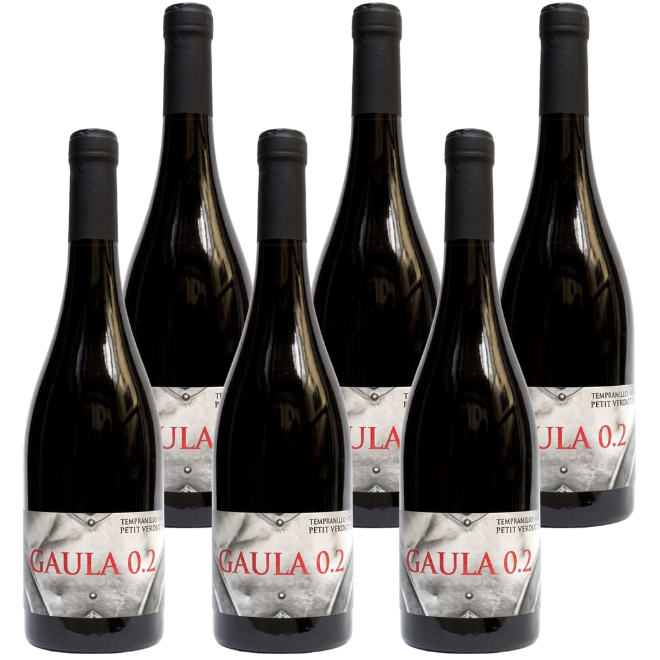
Is Spanish red wine dry and heavy? Almost all Spanish red wine is dry. How heavy it is depends on the grape and the ageing. Pinot Noir and Merlot are often lighter and softer, and a Syrah made with carbonic maceration is lively and soft. Tempranillo and Garnacha sit in between. Cabernet Sauvignon, Petit Verdot and the wines from Priorat are full and powerful.
What types of Spanish red wine are there? Spanish red wine differs mainly by grape and region. These are the main types in our range, from soft to powerful.
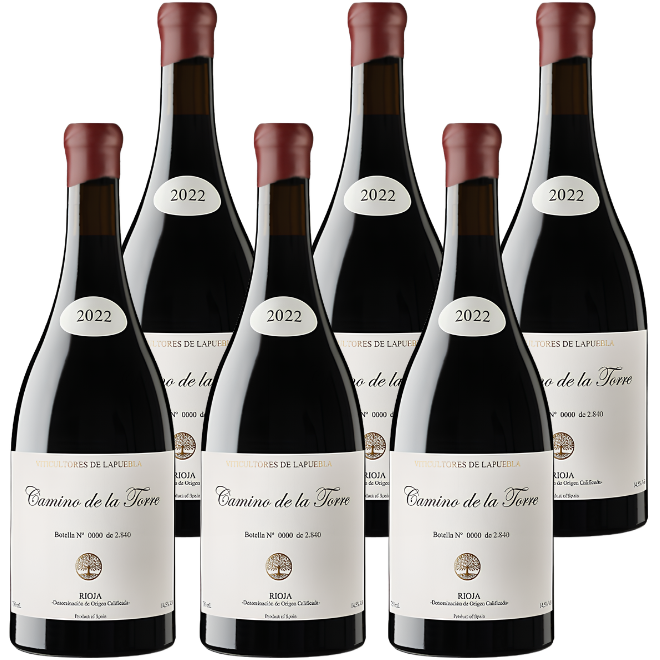
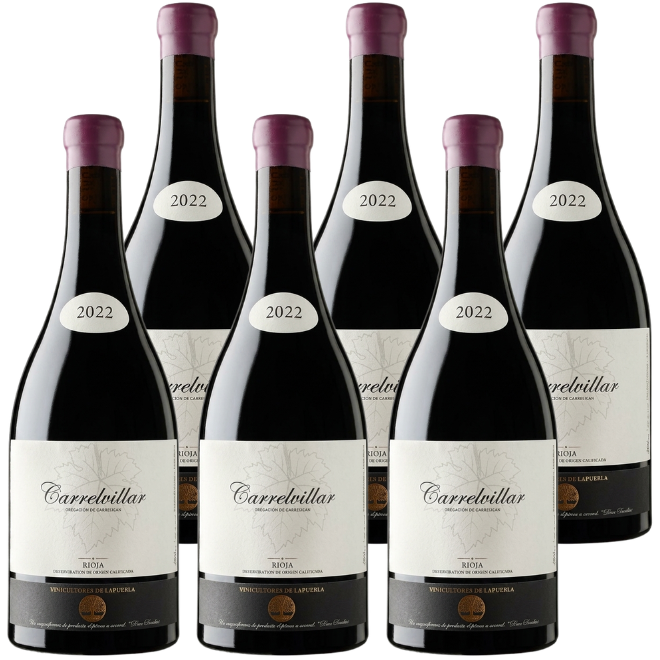
Tempranillo and Rioja: soft and classic Tempranillo is the best-known Spanish red grape. In Rioja it is often blended and aged for a long time in oak. The Marqués del Hueco Crianza is soft and spicy, and the Marqués del Hueco Reserva is fuller and deeper. Want a Tempranillo from another region? The Requiebro Tempranillo comes from vineyards at 1,050 metres, and the 'Cabras Pintás' from the Sierra de Salamanca is fresher and more rustic.
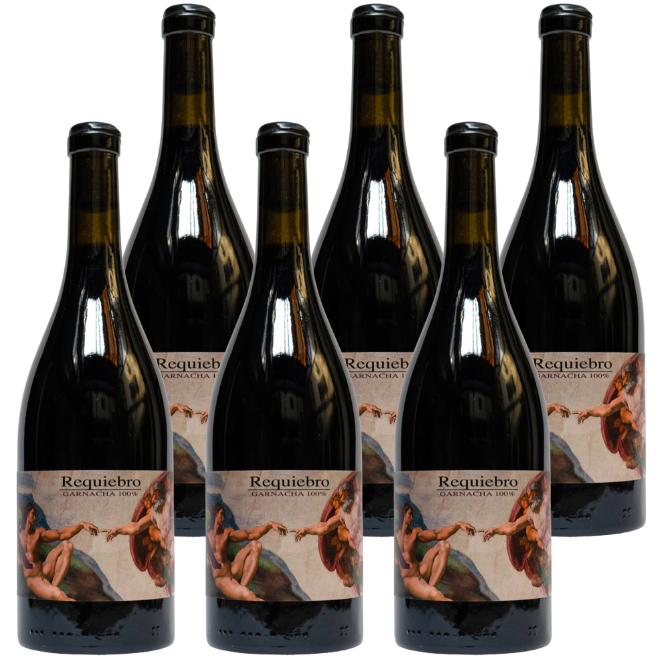
Garnacha: juicy and full Garnacha gives ripe red fruit and a soft, full style. The Requiebro Garnacha ages for 12 months in French oak and is velvety, with cherry liqueur and blueberries. The Entre Dos Aguas Tinto from Aragón is a blend of Garnacha, Syrah and Cabernet Sauvignon without oak ageing, lively and fruity. The 'Rarísimo' Garnacha is extremely rare: only 1,261 bottles were made, from three old plots of bush vines.
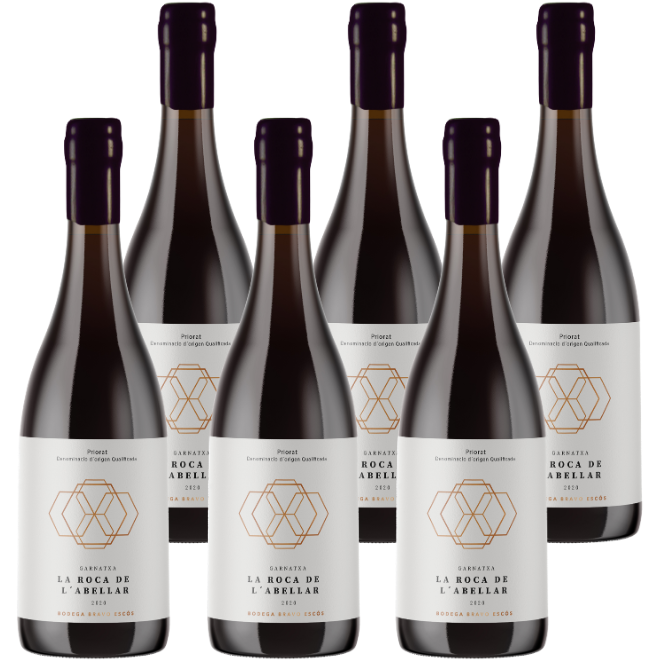
Priorat: powerful and mineral Priorat is a small, mountainous region in Catalonia. Bodega Bravo Escós makes wine there around Torroja del Priorat and Porrera, on slate, clay and sandstone, and ages it partly in terracotta amphorae. The 'Pas dels Caus' is lively and layered, and the 'Les Camades' is fuller and more classic. The 'La Roca de l'Abellar' is 100% Garnacha from a single vineyard in Porrera. The 'l'Escaleta' is 100% Cariñena from vines more than forty years old.
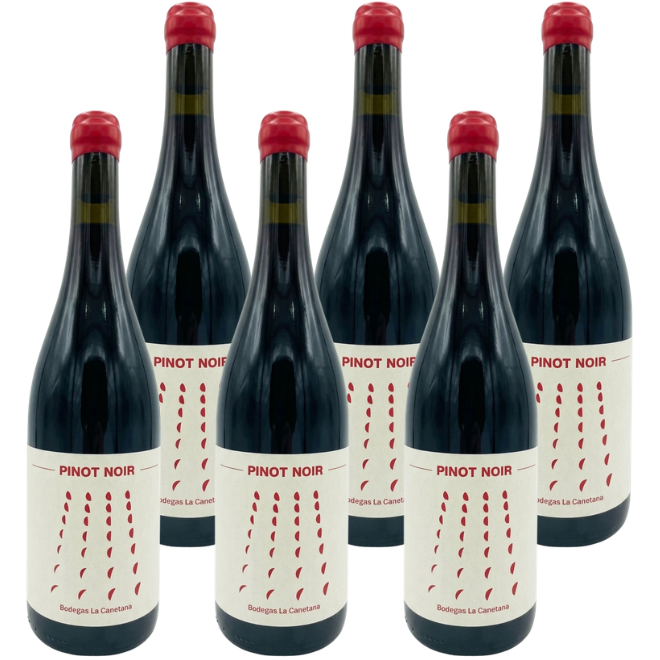
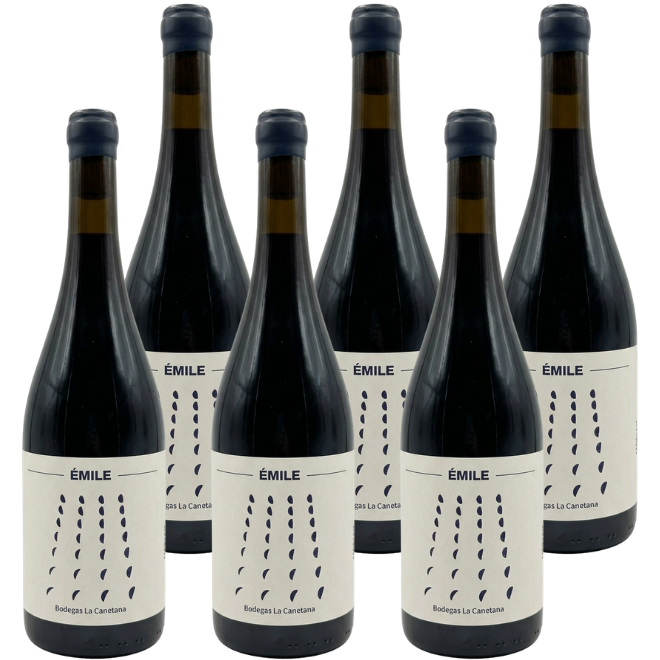
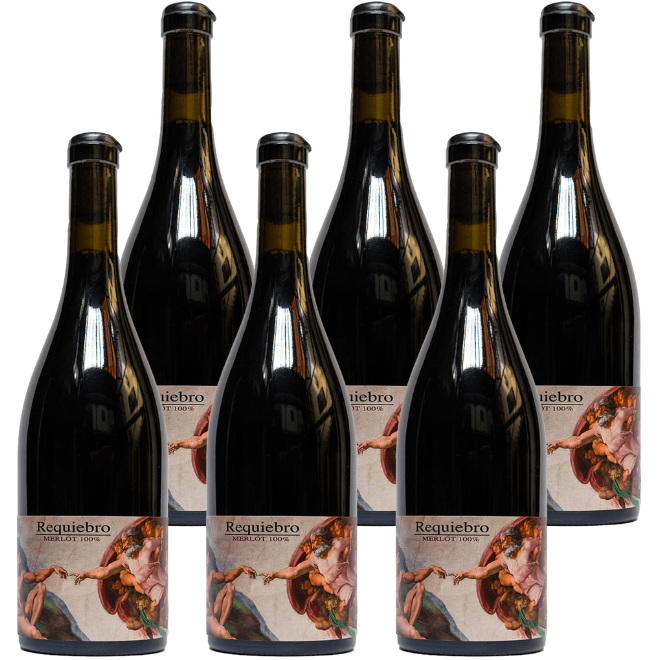
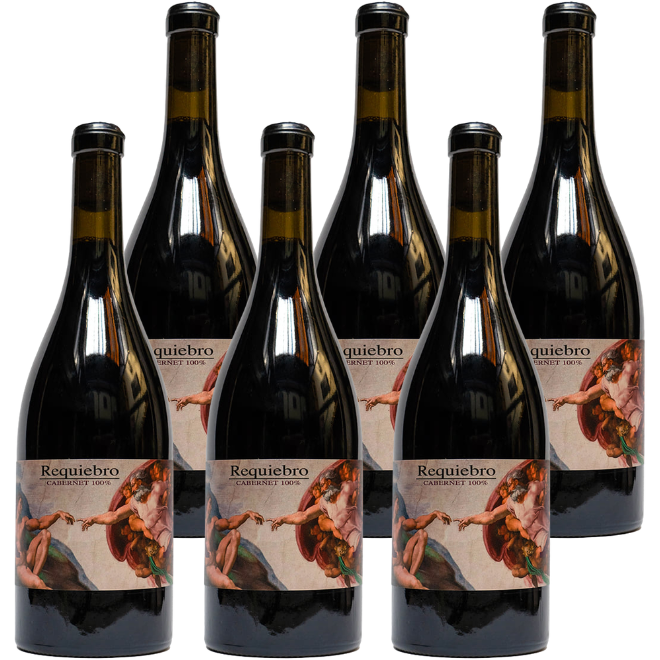
Cabernet Sauvignon, Merlot, Syrah and more International grapes also do well in Spain. From Bodega Amadís de Gaula come the Requiebro Cabernet Sauvignon , aged for 16 months in 500-litre French oak, and the Requiebro Merlot , elegant and silky. Bodegas La Canetana in Valencia makes the 'Daan' from 100% Cabernet Sauvignon, the 'Émile' from 97% Merlot, a Cabernet Franc and a Pinot Noir from a vineyard a few kilometres from the coast.
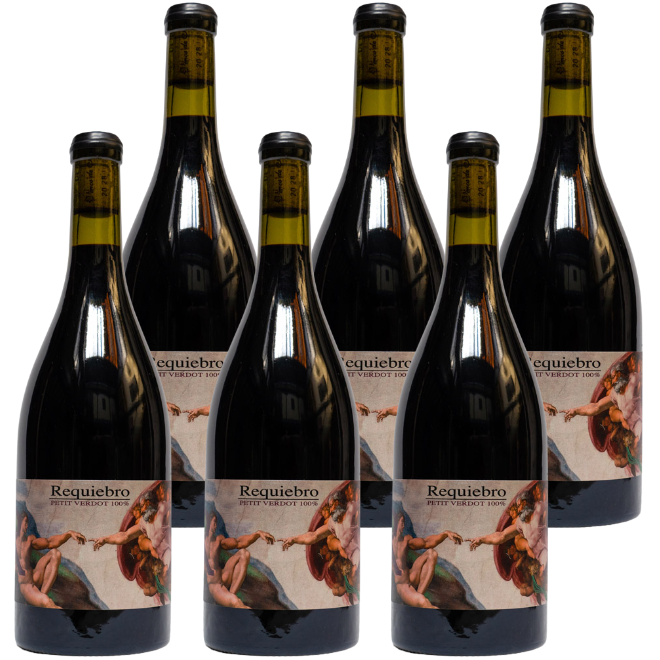
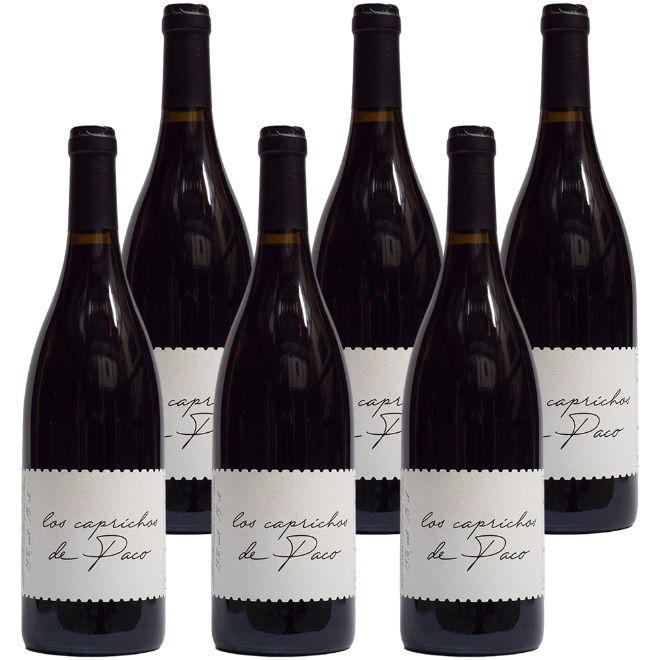
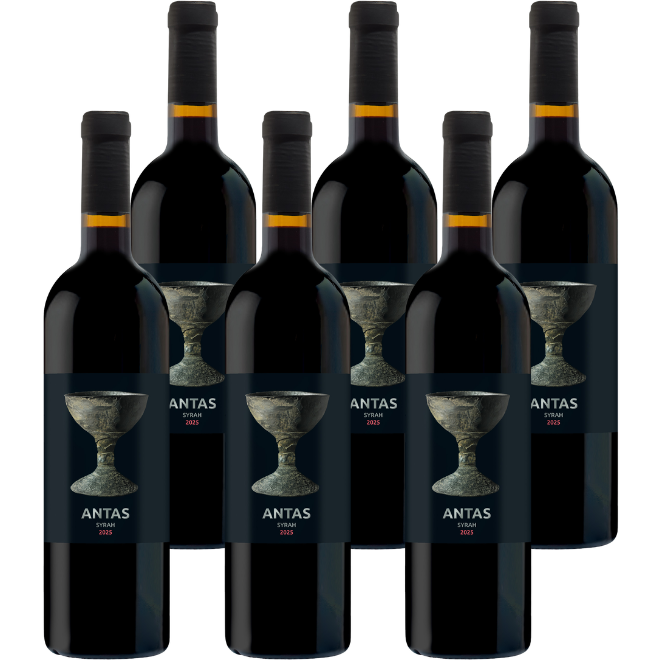
You can taste Syrah in the 'Antas' Syrah from Almería and in Los Caprichos de Paco , made with carbonic maceration, from only 1,000 numbered bottles. The 'M&M' Tinto from Taberner Amado is a blend of Merlot and Syrah. Like Petit Verdot? Try the Requiebro Petit Verdot or the 'Antas' Petit Verdot .
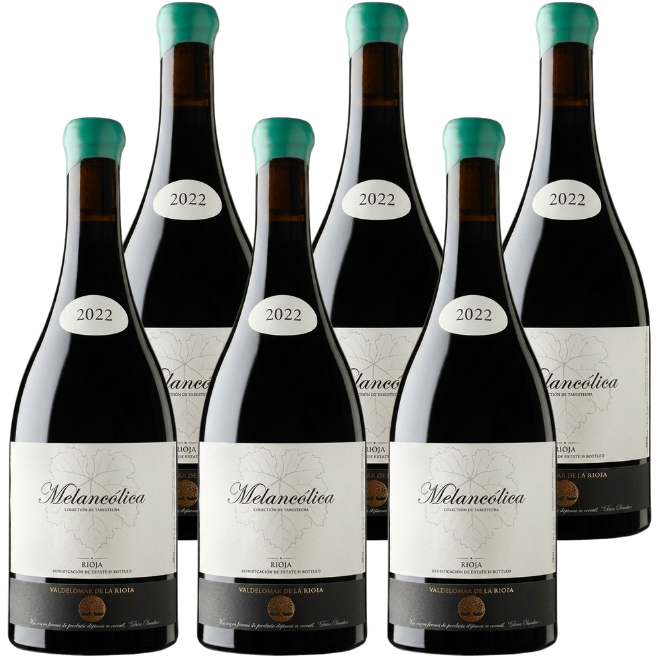
Local grapes: Rufete, Sousón, Caíño and Maturana Want something you rarely see? In the Sierra de Salamanca , Bodega La Zorra makes La Vieja Zorra "La Genuina" , a blend of Tempranillo, Rufete and Garnacha from four very old vineyards. In Galicia, DVagar Adegas makes the Finca Vasqueira Castes Tintas from the local grapes Sousón and Caíño, aged for 12 months in French oak. The 'Melancólica' Crianza from Rioja is a pure Maturana, a rare grape you seldom see on a label.
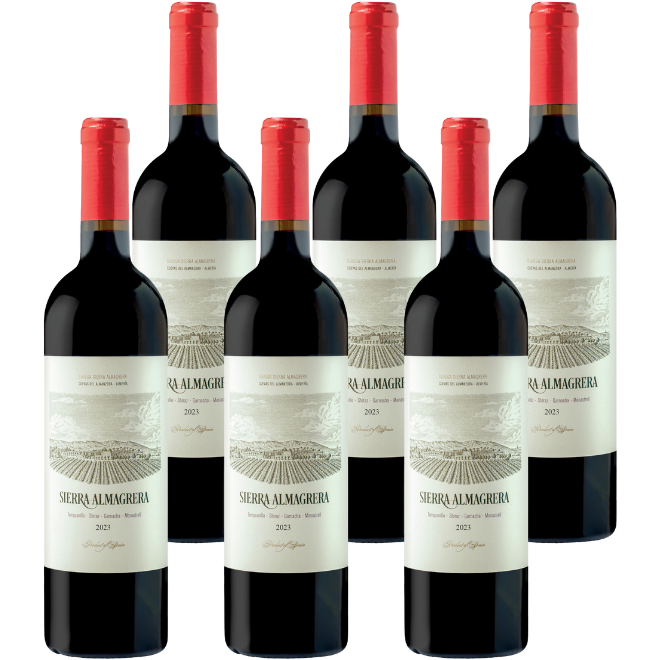
Exclusive wines from Almería In Almería , Bodega Sierra Almagrera makes wine in a dry Mediterranean climate. The Sierra Almagrera Crianza Tinto is a blend of Syrah, Tempranillo, Monastrell and Garnacha. The exclusive line is Caballo Español®. The Silver Edition ages for 24 months in oak. The Gold Edition ages for 25 months in French oak and then at least three years in the bottle, and has a horse made of real gold leaf on the bottle.
Which one suits you? You like it soft and fruity. Choose a Tempranillo or a Crianza from Rioja.
You want something full and juicy. Choose a Garnacha.
You want power and depth. Choose a wine from Priorat or a Cabernet Sauvignon.
You like it light and elegant. Choose a Pinot Noir or a Merlot.
You want something special. Choose a local grape such as Rufete, Sousón or Maturana.
Where does Spanish red wine come from? The region shapes much of the flavour. These are the regions where our winemakers work.
Rioja. In northern Spain, along the Ebro. This is where Bodegas Heras Cordón makes its Rioja wines. See all wines from Rioja .
Priorat. In Catalonia, on slate soils between the mountains. Bodega Bravo Escós works around Torroja del Priorat and Porrera. See all wines from Priorat .
Castilla-La Mancha. Bodega Amadís de Gaula makes its wine at sites between 650 and 1,050 metres. See all wines from Castilla-La Mancha .
Almería. In south-eastern Spain, Bodega Sierra Almagrera works on red clay and loam soils at the foot of the Sierra Almagrera.
Valencia. Bodegas La Canetana is in Canet Lo Roig on the Costa de Azahar, between the mountains and the sea.
Aragón .Bodega Taberner Amado is in Nonaspe, between the rivers Matarraña and Algars.
Sierra de Salamanca. Bodega La Zorra works in the Sierra de Francia, around the village of Mogarraz. See all wines from the Sierra de Salamanca .
Ribeiro, Galicia. Granite-rich soils and an Atlantic climate. This is where DVagar Adegas makes its wine. See all wines from Ribeiro .
Ribera del Duero. A well-known region for powerful red wine from Tempranillo, called Tinto Fino there. This region is not in our range yet, but you can already read about it on our Ribera del Duero page .
What food goes with Spanish red wine? A young, fruity Garnacha or Tempranillo goes well with tapas, charcuterie, pasta with tomato sauce and grilled vegetables. Oak-aged wines, such as a Rioja Crianza or Reserva, suit lamb, grilled meat and aged cheese. The powerful wines from Priorat and a Cabernet Sauvignon call for red meat, stews and game. A light Pinot Noir suits poultry and mushrooms.
Buy Spanish red wine at ONWINE At ONWINE you buy wine directly from the winemaker, and on our winemakers page you can read who is behind the wine. Shipping is free from 12 bottles from the same winemaker. Not sure which wine suits you? Start with the Rioja Red Tasting Case for soft, classic wines, or the Priorat Red Tasting Case for powerful, mineral wines. Prefer white? Take a look at our Spanish white wine .
View all Spanish wine →
Frequently asked questions about Spanish red wine What is the best Spanish red wine? There is no single answer, because it depends on your taste. Soft and fruity: choose Tempranillo or Garnacha. Powerful and deep: choose Priorat or Cabernet Sauvignon. Light and elegant: choose Pinot Noir or Merlot. Not sure? With a tasting case you try several styles at once.
Which Spanish red wine is soft and fruity? A young Tempranillo or Garnacha with little oak ageing, such as the Marqués del Hueco Tempranillo or the Entre Dos Aguas Tinto . Merlot is also often soft.
What is the difference between Rioja and Priorat? Rioja is built on Tempranillo and is often aged for a long time in oak, which gives soft, spicy wines. Priorat is smaller and more mountainous: Garnacha and Cariñena on slate give powerful, mineral wines. You can read more on our pages about Rioja and Priorat .
How long can you keep Spanish red wine? A young, fruity red wine is best drunk in the first two to three years. An oak-aged wine can often keep for five years or more, and a powerful wine from Priorat or a Reserva for longer. Store the bottles lying down, in a cool, dark place.
What temperature should you serve Spanish red wine at? Usually between 16 and 18 degrees Celsius. A light, fruity wine can be a little cooler, around 14 to 16 degrees. If the bottle has been in a warm room, put it in the fridge for a quarter of an hour.